avatarRomina Cornejo Escudero

Free AI web copilot to create summaries, insights and extended knowledge, download it at here

2197

Abstract

ransforming into co-working spaces. New colleagues popped up and virtual meetings are now being held in.</p><figure id="9141"><img src="https://cdn-images-1.readmedium.com/v2/resize:fit:800/1*bQ-gB_E31A4wHHpldENtNg.png"><figcaption>Sharing workspace / Image courtesy of the author</figcaption></figure><h1 id="92c4">Kids on board</h1><p id="3087">Reconciliation between working, taking care, and educating children requires an exceptional set of organizational skills in terms of time and space. Multitasking has never been more challenging before. Some parents prefer to take a look at the children while working, some others try to keep separate rooms when it is possible.</p><figure id="ba0e"><img src="https://cdn-images-1.readmedium.com/v2/resize:fit:800/1*7KPmLI01ME0i75sd9UY62A.png"><figcaption>Image courtesy of the author</figcaption></figure><h1 id="7e80">Outside but still inside</h1><p id="922f">One of the most underestimated places in our homes has been balconies — every outside space to be honest. We have even seen how balconies have become a powerful element by creating a bond between neighbors and keeping them close during social distancing.</p><p id="2945">We could say giving more space to people hasn’t always been a priority from some designers. I think they — we — might think twice next time.</p><figure id="847c"><img src="https://cdn-images-1.readmedium.com/v2/resize:fit:800/1*-zggdhPxX3qdAcVeV_JU5w.png"><figcaption>Image courtesy of the author</figcaption></figure><h1 id="81ad">No balcony?</h1><p id="6f55">Improvisation and creativity have been key at this time of self-isolation. For those lacking outdoor areas, the need to feel outside has made many go out the windows, sitting on the edge of them.</p><p id="d3b2">Some of these scenes can be perceived from walking in the street. There is something poetic and even romantic about it.</p><figure id="a3ec"><img src="https://cdn-images-1.readmedium.com/v2/resize:fit:800/1*w3VHVFJiiU1DPa2LT6mh0w.png"><figcaption>Image courtesy of the author</figcaption></figure><h1 id="490e">Leisure at home</h1><p id="ce2b">Movies, games… Most of the people are turning their common areas into real spaces of leisure. They are

Options

becoming movie theaters, playgrounds, workshops, etc. Leisure activities are helping to keep people distracted and creating closeness among those living under the same roof.</p><figure id="60f6"><img src="https://cdn-images-1.readmedium.com/v2/resize:fit:800/1*8c1CYH868SAlgJKcSn7Rdg.png"><figcaption>Image courtesy of the author</figcaption></figure><h1 id="1b6f">Work(in)out</h1><p id="7caa">From runners to gym-goers. People are seeking to take advantage of their private spaces and even furniture to workout. It can be walking around inside or benefit from their outdoor areas: balconies, patios, rooftops…</p><p id="c1c0">Technology has helped a notch to encourage many by making available online courses and applications.</p><figure id="a0bd"><img src="https://cdn-images-1.readmedium.com/v2/resize:fit:800/1*ssxWna2I7PLnYTl5sHv5FA.png"><figcaption>Image courtesy of the author</figcaption></figure><h1 id="80d3">Sometimes less is not more</h1><p id="5129">The pandemic amplified inequality and precariousness in cities. There is a big difference between what can be seen as comfortable small spaces and live in precarious spaces. Some people are not only living small and crowded but also in conditions where self-isolation becomes difficult to put up with.</p><figure id="f3d2"><img src="https://cdn-images-1.readmedium.com/v2/resize:fit:800/1*rZLxMpxQO7NrcZkaUEQvWw.png"><figcaption>Image courtesy of the author</figcaption></figure><h1 id="7533">Could this help us rethink the way we would build tomorrow?</h1><p id="5098">I wanted to document these scenes in order to leave a trace of how we are living, how we have adapted, and the multiple ways in which our homes have been transformed. Additionally, it seems important to me to mention that not all of us are equally fortunate.</p><p id="1382" type="7">The moment we live in now is revealing some big problems and deficiencies, from the typical design of housing up to the urban planning of cities.</p><p id="93f3">However now that we can recognize these problems, and the new needs in the face of this unpredictable situation, we can also find solutions and rethink the way in which we will build in the future.</p></article></body>

The Many Ways People Live Privately Today

Self-isolation through space
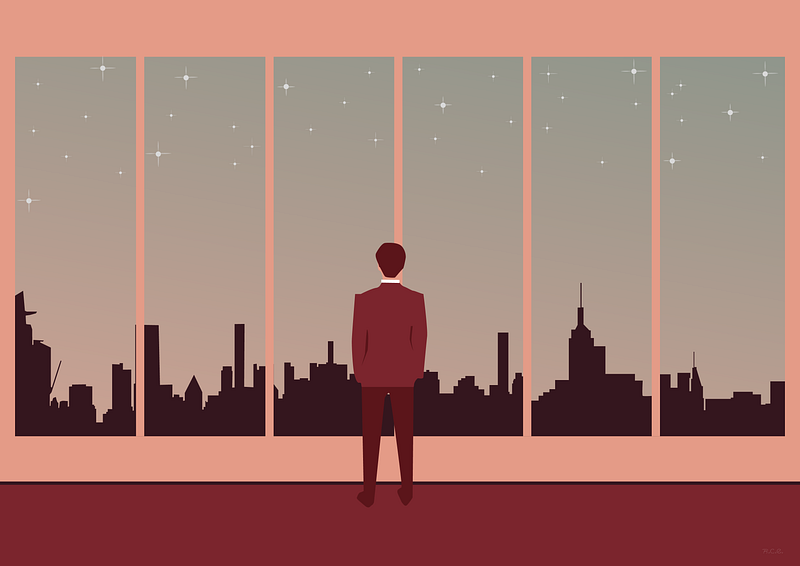
Image courtesy of the author

Aren’t we living our homes and spaces to the fullest?

Since our movements are now extremely limited, our private space has become our most precious asset. New habits have been created, new rules have been established and even new arrangements have slightly emerged.

It appears that the combination of diverse activities carried out in one place is forcing us to use our creativity in order to adapt.

This small piece seeks to reveal the scenes we are experiencing, more than to explain them. Some of these scenes may not last forever. However, as the future is still uncertain, a reading through self-isolation from space will help us look back on and become more critical about how this period of time has affected our ways of living.

Big cities, tiny spaces

Many are not fortunate to live on large — or even on what we could consider as normal — size dwellings. Nowadays it’s common, mostly for the youngest, to live in very small spaces, especially in dense and big cities where every square meter counts.

Have you ever wondered how it is to live in self-isolation in micro-apartments? Sure it was easier when we could profit from the public facilities and outdoor areas as an extension of our living space.
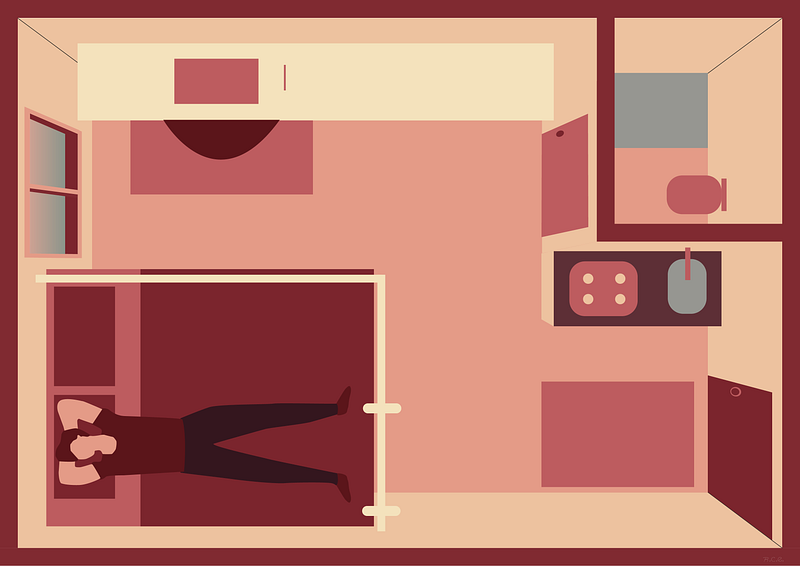
Living in a 9m² apartment / Image courtesy of the author

(Co)working at home

Especially now, there are spaces in our homes craving for productivity. It took a bit from us to adapt to the change. However, it was a matter of finding space, managing time, and avoiding distractions.

For those who share a home, with friends, parents, or a partner, common areas are transforming into co-working spaces. New colleagues popped up and virtual meetings are now being held in.
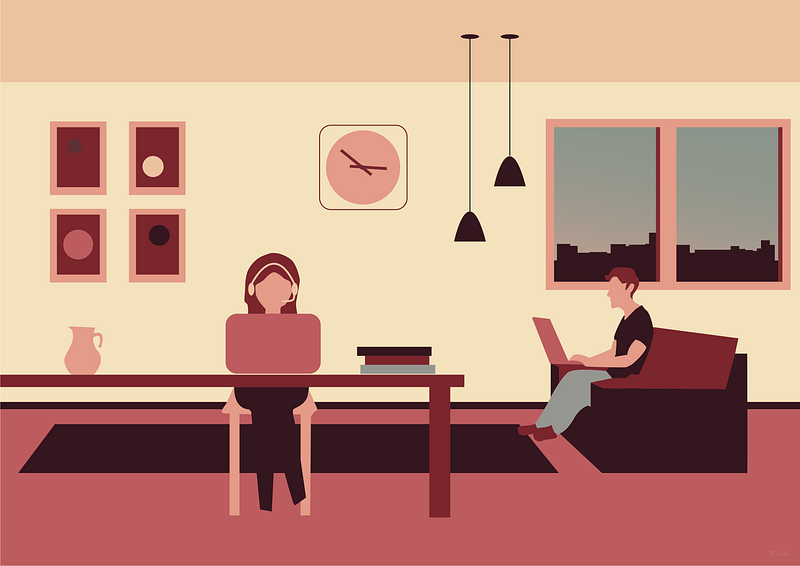
Sharing workspace / Image courtesy of the author

Kids on board

Reconciliation between working, taking care, and educating children requires an exceptional set of organizational skills in terms of time and space. Multitasking has never been more challenging before. Some parents prefer to take a look at the children while working, some others try to keep separate rooms when it is possible.
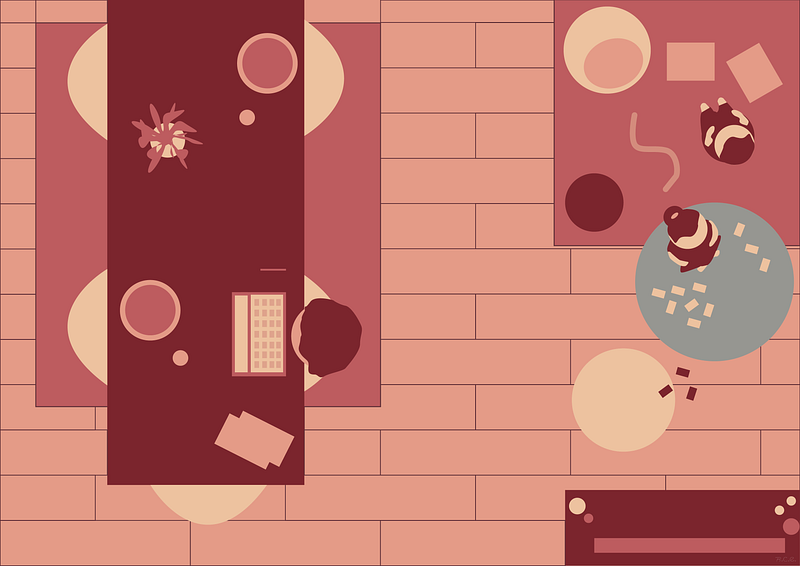
Image courtesy of the author

Outside but still inside

One of the most underestimated places in our homes has been balconies — every outside space to be honest. We have even seen how balconies have become a powerful element by creating a bond between neighbors and keeping them close during social distancing.

We could say giving more space to people hasn’t always been a priority from some designers. I think they — we — might think twice next time.
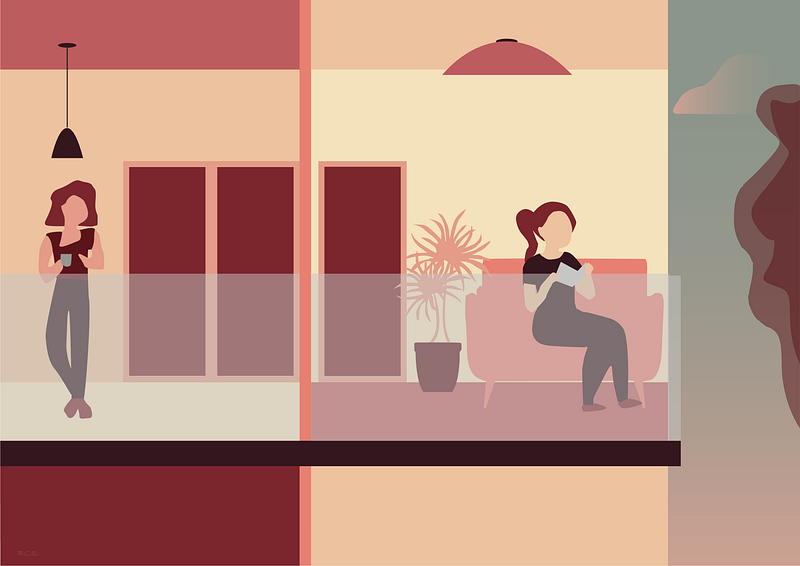
Image courtesy of the author

No balcony?

Improvisation and creativity have been key at this time of self-isolation. For those lacking outdoor areas, the need to feel outside has made many go out the windows, sitting on the edge of them.

Some of these scenes can be perceived from walking in the street. There is something poetic and even romantic about it.
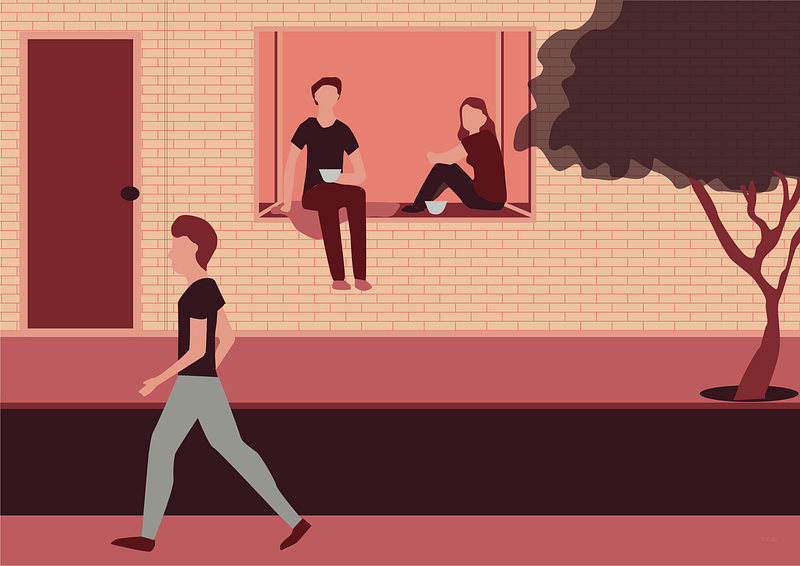
Image courtesy of the author

Leisure at home

Movies, games… Most of the people are turning their common areas into real spaces of leisure. They are becoming movie theaters, playgrounds, workshops, etc. Leisure activities are helping to keep people distracted and creating closeness among those living under the same roof.
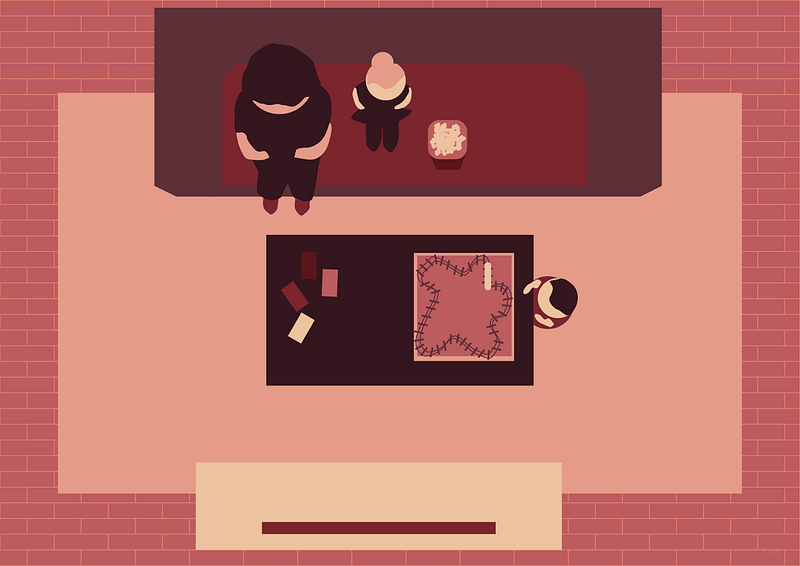
Image courtesy of the author

Work(in)out

From runners to gym-goers. People are seeking to take advantage of their private spaces and even furniture to workout. It can be walking around inside or benefit from their outdoor areas: balconies, patios, rooftops…

Technology has helped a notch to encourage many by making available online courses and applications.
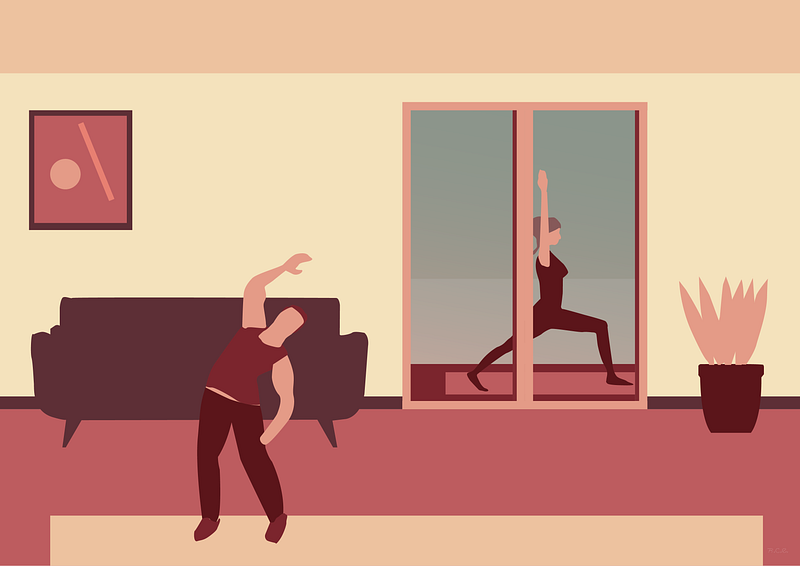
Image courtesy of the author

Sometimes less is not more

The pandemic amplified inequality and precariousness in cities. There is a big difference between what can be seen as comfortable small spaces and live in precarious spaces. Some people are not only living small and crowded but also in conditions where self-isolation becomes difficult to put up with.
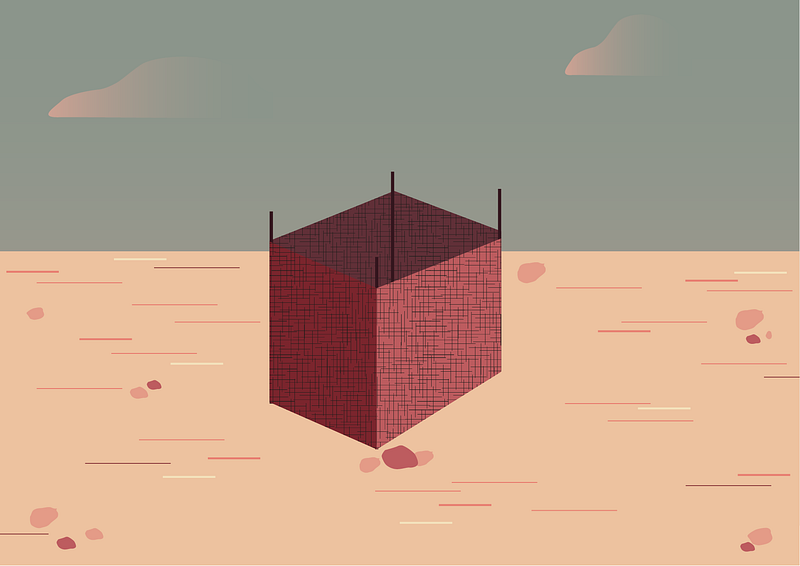
Image courtesy of the author

Could this help us rethink the way we would build tomorrow?

I wanted to document these scenes in order to leave a trace of how we are living, how we have adapted, and the multiple ways in which our homes have been transformed. Additionally, it seems important to me to mention that not all of us are equally fortunate.

The moment we live in now is revealing some big problems and deficiencies, from the typical design of housing up to the urban planning of cities.

However now that we can recognize these problems, and the new needs in the face of this unpredictable situation, we can also find solutions and rethink the way in which we will build in the future.

Design
Architecture
Future
Self
Covid-19
Recommended from ReadMedium