avatarCappelli, MFA, JD, PhD

Summary

The narrator grapples with the dissonance between the unfamiliar attire and forced smile on their father's face at his funeral, which contrasts starkly with their memories of him.

Abstract

At the funeral of the narrator's father, a sense of wrongness pervades as the deceased is dressed in attire that doesn't suit his personality—a hand-painted, psychedelic Jerry Garcia tie and an ill-fitting suit. The narrator's attempts to adjust their father's smile only result in a lopsided grin, exacerbating the disconnect. The narrator observes that the man in the coffin, adorned with a tie featuring colorful fishes and dressed in a seersucker suit, does not embody the essence of their father. They recognize that their real father, who was more reserved and never forced a smile, had already passed away long before his physical death. The ritualistic actions of the funeral, such as carrying the coffin and shoveling dirt, are endured with the understanding that the person being mourned is not the father they knew.

Opinions

  • The narrator feels that the Grateful Dead tie and the suit do not reflect their father's identity or tastes.
  • The narrator believes that their father's natural smile was genuine and unforced, even though it was rare.
  • There is a sense of futility in trying to make the deceased appear more like himself, as the narrator's adjustments only worsen the smile's appearance.
  • The narrator perceives that the attendees are not truly looking at the deceased and are merely performing the social rituals of mourning.
  • The narrator holds the opinion that their father's true self had faded away before his actual death, making the funeral a farewell to a shell of the man he once was.

The Man with the Lopsided Grin
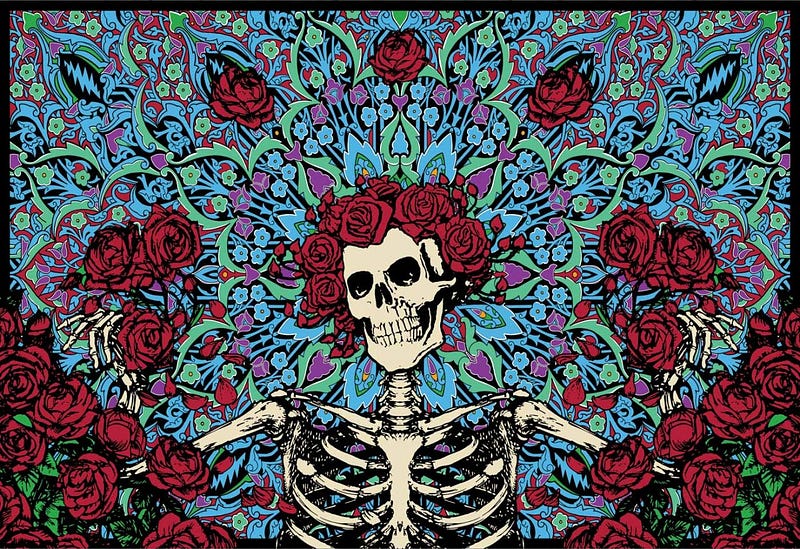
Photo by https://radiomilwaukee.org/

It’s not that he hated the Grateful Dead. It’s nothing like that. He just never heard of them. So when he was laid out for viewing wearing a hand-painted, psychedelic Jerry Garcia tie it just didn’t seem right, that’s all. Nothing did.

Not the cream-colored stiff neck shirt, nor my brother’s old shiny wedding suit, which fit three sizes too big for him, even when safety pinned to tighten it on his emaciated frame.

Nothing seemed right. Certainly not his smile. Definitely not that! My dad’s smile was never forced.

He never smiled much, but it was never forced when he did. Not like that.

My brother said it took a lot of muscle to even force a smile. His jaw was too stiff, too hard, too stubborn even in death.

My brother was right.

When everybody was oohing and awing over my cousin Paula’s new baby, I tried to adjust him — make him more like himself. Instead, I made the left side frown.

Nobody noticed. I don’t think anyone really looks in the coffin anyway. They just pretend to. My Aunt Gina even said, He’s the best he ever looked in years.

I knew better. I knew that the shriveled old man with the colorful fishes swimming off his tie was not my dad.

So standing next to him hearing the sobs of my cousins Lucia and Dominick wasn’t so bad. Nor was carrying the coffin into the hearse and sitting next to it for the fifteen miles it took to get to St. Clement’s Cemetery. Nor was lowering it into the graveyard and shoveling the first mound of dirt onto him.

’Cause the man with the lopsided grin in the shiny seersucker suit and Grateful Dead tie was not my Dad.

My dad died long ago.

Death
Death And Dying
Family
The Power Of Poetry
Lifeline
Recommended from ReadMedium