avatarSimon Spichak

Free AI web copilot to create summaries, insights and extended knowledge, download it at here

2698

Abstract

te id="9e0d"><p>“There should have been more conversations about, should we be doing this, should we be helping this guy? There was just a lot of nerd tunnel vision.”</p></blockquote><p id="9d13"><a href="https://www.huffpost.com/entry/jeffrey-epstein-timeline_n_5d2763c8e4b02a5a5d57857f">2005 was the same year that Epstein was reported to police by a 14-year-old girl</a>. By 2006, Epstein was charged with multiple acts of sex acts with a minor but was released in a secret plea deal in 2008.</p><p id="9323">Church himself met Epstein in 2006 and admitted he failed to do his proper due diligence. In 2007, <a href="https://www.thedailybeast.com/george-church-thinks-its-ludicrous-to-compare-his-genetics-based-dating-app-to-eugenics">Chruch traveled to a meeting of the minds on Epstein’s island</a>. He didn’t cut ties after Epstein’s plea deal in 2008. Church took several calls from Epstein in 2014.</p><p id="2873">Though he prides himself on his ethics and transparency, he failed to consider the implications of taking <a href="https://www.statnews.com/2019/08/05/citing-nerd-tunnel-vision-biologist-george-church-apologizes-for-contacts-with-jeffrey-epstein/">Epstein’s money</a>. It is even more negligent considering Epstein’s eugenic desire <a href="https://www.nytimes.com/2019/07/31/business/jeffrey-epstein-eugenics.html">to spread his DNA at his New Mexico Ranch</a>. This wouldn’t be the last time Church associated himself with eugenics. Church told the <a href="https://www.thedailybeast.com/george-church-thinks-its-ludicrous-to-compare-his-genetics-based-dating-app-to-eugenics">Daily Beast</a>:</p><blockquote id="acce"><p>“Just because they hung out with me briefly doesn’t mean I bought into their malarkey in any sense, just like geneticists today don’t buy into the eugenics of the 1920s.”</p></blockquote><p id="b896">Yet in 2019, he founded a company called <a href="https://www.digid8.com/">digiD8</a>, a rather unconventional dating app. It compares DNA and screens out matches that might result in the risk of inherited disease. <a href="https://www.merriam-webster.com/dictionary/eugenics">By the way, the practice/advocacy of improving humans by only mating people with desirable traits is called eugenics</a>. Despite advocating for more regulation, <a href="https://www.geneticsandsociety.org/biopolitical-times/scientist-loose-george-church-strays-eugenics-again">Church also sees nothing wrong with bioengineering genomes</a>.</p><p id="7732">I’m not trying to say George Church is a bad person, but he does have a history of making controversial comments and irresponsible choices.</p><h1 id="b3b1">The Issue With Genomic NFTs</h1><p id="fbc7">Through a com

Options

pany called <a href="https://nebula.org/genomic-nft/#about">Nebula Genomics</a>, Church will <a href="https://singularityhub.com/2021/04/22/scientist-george-church-is-auctioning-off-his-genome-as-an-nft/">auction off his own genome</a>. The winner of the auction receives a link to a file stored in a decentralized manner. In this file is Church’s complete genome with a piece of artwork included.</p><p id="e0a5">Nebula Genomics aims to allow consumers to sell or license their genomic data. Other genetic testing companies use your information and sell it to other parties for research. With Nebula Genomics, <a href="https://www.the-scientist.com/news-opinion/q-a-george-church-s-genome-up-for-auction-68682">the consumer would get to choose where and when they share their data</a>. Best of all, they would receive compensation for sharing. Is there any unseen harm in selling your DNA, even with transparency?</p><p id="3413">With the increase in big data sharing, more and more people want access to their <a href="https://www.nature.com/articles/s41525-021-00175-y">raw sequencing data</a>. But even with excellent consent forms, there is a risk when it comes to sharing them. Even with secured data, there is a risk of <a href="https://www.sciencedirect.com/science/article/pii/S2212066116300059">re-identification from unique biomarkers</a>.</p><p id="351a">It is also unclear how many of these third-party companies intend to handle consumer data. Even with a clear consent form, the consequences of sharing genomic information are unclear. With Church’s involvement in the company, it’s likely to run into future controversy.</p><p id="58d6">George Church is a pioneer of genomic sequencing with a penchant for eugenics controversy. Selling his genome as an NFT will no doubt bring more attention to consumer genomic sequencing. At it’s core it’s an ambitious publicity stunt. But what are the bioethical implications of selling your genomic sequence to someone else? Could this same idea be abused in the future?</p><p id="02b2">I have nothing against genomic sequencing but it’s important we recognize the limitations. Even though scientists can figure out your genetic sequence, there isn’t much we can do with it. We identify a small number of risk factors here and there, but much of what we discover, we can’t change. We suck at understanding relative risk. It could cloud our judgment when we decide to sell our data.</p><p id="12aa">I appreciate the transparency and open consent from this company. I really do. But George Church has a long history of making careless decisions and comments. It makes it much harder to trust the company’s vision isn’t myopic.</p></article></body>

The Man Selling An NFT of His Genome

Who is George Church and why is he controversial?
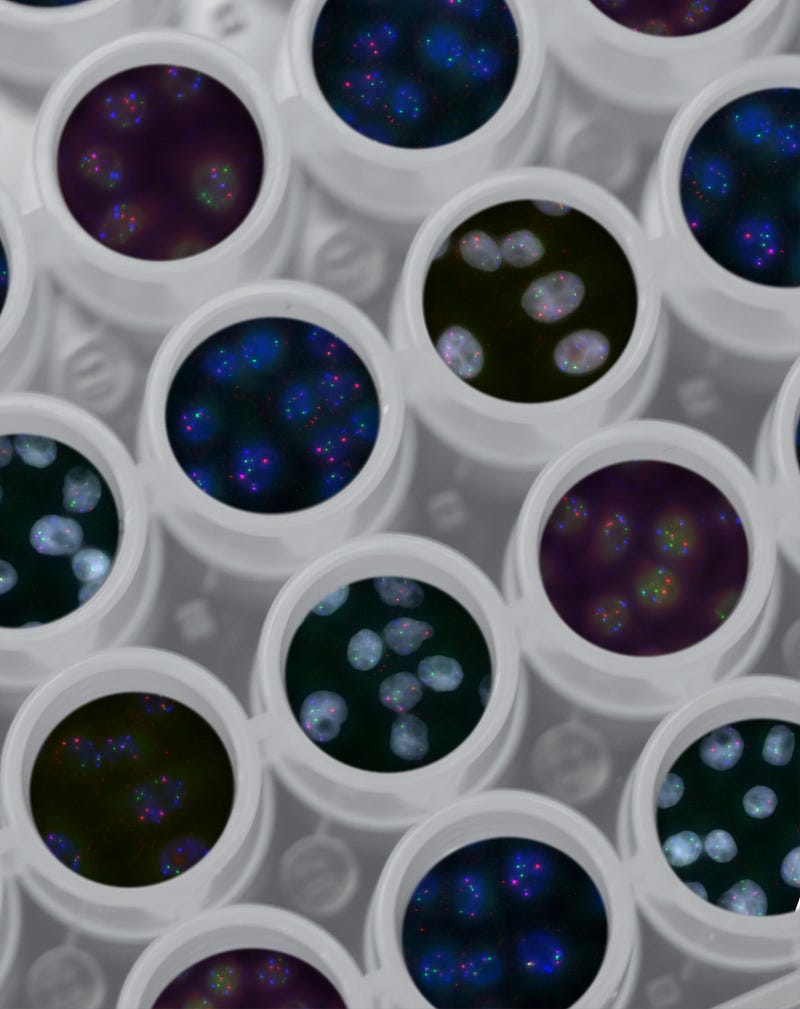
Photo by National Cancer Institute on Unsplash

Non-fungible tokens (NFTs) are unique digital on a blockchain, linked to art, music or socks. They are one-of-a-kind collectibles that have taken the internet by storm. Now, George Church is planning to auction his genome as an NFT.

Believe it or not, our genomes and NFTs have a few things in common. Your genome is a set of instructions for building you. Many different NFTs can exist on the same blockchain. Similarly, out of our genome, unique variants give rise to different people. It doesn’t tell us why one would sell their own genome or what the ethical implications would be.

George Church is a pioneer of genomics with a complicated history. To understand the significance of his genome NFT, we must delve into his history and achievements.

Who Exactly Is George Church?

The legacy

George Church was key in humanity’s first effort at sequencing the human genome. In 1984, he developed a sequencing method to initiate the Human Genome Project. By 2005, he became involved in the Personal Genome Project.

He leads his own synthetic biology laboratory at Harvard’s Wyss Institute for Biologically Inspired Engineering. He is also the Director of the U.S. Department of Energy and the Director of the National Institutes of Health Center of Excellence in Genomic Science.

Church developed technology to sequence and engineer genomes quickly and accurately. He is also heavily involved in a range of Bio-Technology Startup companies. He founded Nebula Genomics, a company that can sequence your genome.

The controversy

Church has also faced a fair share of controversy. Between 2005 and 2007, he accepted money from the Epstein Foundation. George has since apologized for this oversight, saying:

“There should have been more conversations about, should we be doing this, should we be helping this guy? There was just a lot of nerd tunnel vision.”

2005 was the same year that Epstein was reported to police by a 14-year-old girl. By 2006, Epstein was charged with multiple acts of sex acts with a minor but was released in a secret plea deal in 2008.

Church himself met Epstein in 2006 and admitted he failed to do his proper due diligence. In 2007, Chruch traveled to a meeting of the minds on Epstein’s island. He didn’t cut ties after Epstein’s plea deal in 2008. Church took several calls from Epstein in 2014.

Though he prides himself on his ethics and transparency, he failed to consider the implications of taking Epstein’s money. It is even more negligent considering Epstein’s eugenic desire to spread his DNA at his New Mexico Ranch. This wouldn’t be the last time Church associated himself with eugenics. Church told the Daily Beast:

“Just because they hung out with me briefly doesn’t mean I bought into their malarkey in any sense, just like geneticists today don’t buy into the eugenics of the 1920s.”

Yet in 2019, he founded a company called digiD8, a rather unconventional dating app. It compares DNA and screens out matches that might result in the risk of inherited disease. By the way, the practice/advocacy of improving humans by only mating people with desirable traits is called eugenics. Despite advocating for more regulation, Church also sees nothing wrong with bioengineering genomes.

I’m not trying to say George Church is a bad person, but he does have a history of making controversial comments and irresponsible choices.

The Issue With Genomic NFTs

Through a company called Nebula Genomics, Church will auction off his own genome. The winner of the auction receives a link to a file stored in a decentralized manner. In this file is Church’s complete genome with a piece of artwork included.

Nebula Genomics aims to allow consumers to sell or license their genomic data. Other genetic testing companies use your information and sell it to other parties for research. With Nebula Genomics, the consumer would get to choose where and when they share their data. Best of all, they would receive compensation for sharing. Is there any unseen harm in selling your DNA, even with transparency?

With the increase in big data sharing, more and more people want access to their raw sequencing data. But even with excellent consent forms, there is a risk when it comes to sharing them. Even with secured data, there is a risk of re-identification from unique biomarkers.

It is also unclear how many of these third-party companies intend to handle consumer data. Even with a clear consent form, the consequences of sharing genomic information are unclear. With Church’s involvement in the company, it’s likely to run into future controversy.

George Church is a pioneer of genomic sequencing with a penchant for eugenics controversy. Selling his genome as an NFT will no doubt bring more attention to consumer genomic sequencing. At it’s core it’s an ambitious publicity stunt. But what are the bioethical implications of selling your genomic sequence to someone else? Could this same idea be abused in the future?

I have nothing against genomic sequencing but it’s important we recognize the limitations. Even though scientists can figure out your genetic sequence, there isn’t much we can do with it. We identify a small number of risk factors here and there, but much of what we discover, we can’t change. We suck at understanding relative risk. It could cloud our judgment when we decide to sell our data.

I appreciate the transparency and open consent from this company. I really do. But George Church has a long history of making careless decisions and comments. It makes it much harder to trust the company’s vision isn’t myopic.

Blockchain
Science
Health
Technology
Future
Recommended from ReadMedium