
The Magic Porridge Pot
And why the Botfarm had to go
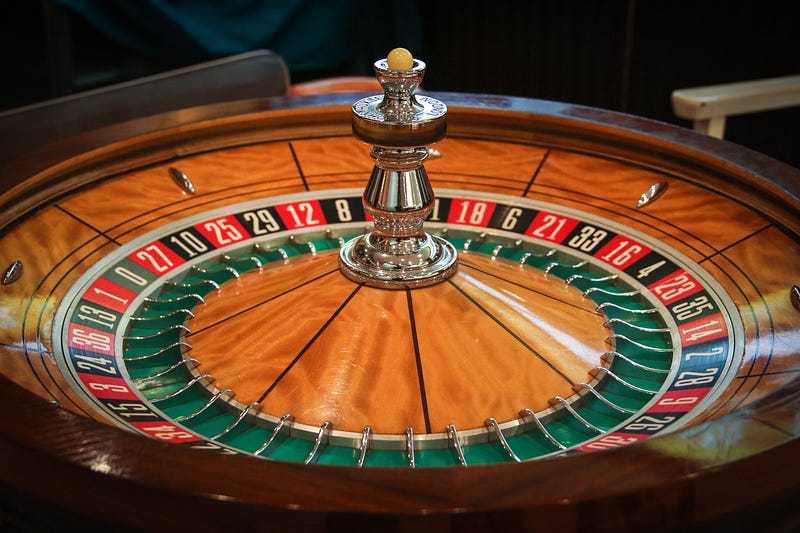
I remember reading my kids a story from a Ladybird book about the Magic Porridge Pot.
All you had to do was say “cook, little pot, cook” and it prepared as much porridge as you wanted, or even too much if you forgot to say “stop, little pot, stop”.
Now, it’s not that I like gambling. Far from it. I detest losing money and get all churned up inside when it happens. But what always kept me going was a certain gullibility for a well-written advert and a seemingly unshakable belief that somewhere out there was the financial equivalent of the magic porridge pot, which would let me dip into my money-making system at will and pull out as much money as I needed to keep the demon work at bay.
Presumably I’m not alone in wanting all the good things that money can buy without the inconvenience of having to work and save. And because I’m not alone, vendors will always be able to sell their systems to somebody. But boy it’s exhausting getting fired up about the latest wheeze, stumping up the dosh and then finding that it’s another dud.
The adverts which always had the greatest influence over me were those stating some variant of “make money while you sleep”. Bots were available which could be applied to a wide variety of money-making “opportunities”. Those where I directly invested included automated systems for:
- Online roulette
- Poker
- Horseracing
- Greyhound racing
- Foreign Exchange
- Binary Options
- CFDs and Spread-Betting
- Baccarat
- Blackjack
As well as buying off-the-shelf systems, I even went so far as to sponsor developers to build systems for Baccarat, Blackjack and FX Trading.
I should stress that none of these approaches made a consistent profit for me at any time. It didn’t really matter.
Just as a functioning alcoholic has sufficient operational neurons to keep the rest of their life moving along, so I always had enough legitimate income streams to be able to afford this indulgence. And as I wasn’t dependent upon the success of my systems to put food on the table, I viewed them as little more than a hobby.
I documented my automated money-making adventures over the course of a year via a blog called TheBotfarm.com (RIP). To my mind I was just sharing an enthusiasm with like-minded individuals, all of whom were fully able to manage their own financial exposure from participation in this quest.
What pulled me up short was a plaintive email received from a young person in a much poorer country than my own saying (I paraphrase, having lost the original email long ago)
“Hi. I have been reading your blog for a long time and I am finally ready to go. I have borrowed £5,000 from my parents and friends and would now like to ask how I can use this to gain the best return possible.”
A chill ran through me as I realized that my self-indulgent fantasies had the potential to push those who couldn’t afford this pastime towards an almost certain financial disaster!
Within a day I had decommissioned the blog and written back, urging my follower to return the funds and think no more about these systems, and supplying a detailed and honest appraisal of how much I had sunk into them over the previous year.
Words have consequences, and there is a reason why investment advisers in the UK and elsewhere need to be appropriately licensed and supervised.
I’m not saying that I have completely turned my back on the easy road to instant profits. It’s just that my Botfarm experience makes me treat it now like I would any other vice — a private foible rather than a public boast.


