avatarJanice Gill

Free AI web copilot to create summaries, insights and extended knowledge, download it at here

1168

Abstract

fy my needs, and good shots look great as wall art at substantial sizes.</p><figure id="bd4e"><img src="https://cdn-images-1.readmedium.com/v2/resize:fit:800/1*WnVoga22uduOLdlFulWRLQ.jpeg"><figcaption>Gallery Exhibition — all exhibits Janice Gill — Photo by Janice Gill with a smartphone.</figcaption></figure><p id="c73d">The biggest pluses for me are the weight and the cost.</p><h2 id="a46f">Value for Money</h2><p id="e435">I'm not a pro, so there are always budget constraints. I picked up a second-hand Olympus E-M1 for £500 and bought 2 kit lenses to go with it at £300 for the pair. These covered a range from 14 — 150mm or 28 — 300mm full frame equivalent. This minimal kit exceeded my expectations and convinced me the system was an excellent entry point.</p><p id="3868">I was so pleased that I added a fast macro lens and a longer telephoto in short order. Four lenses and the body came in at under £1,500.</p><h2 id="240c">Size and Weight</h2><p id="e37d">I'm not unfit, but at 60, carrying around a pack full of gear demands consideration. The camera body with my 600mm equivalent telephoto weighs under 1 kg for my Olympus system. Compare that to the we

Options

ight of a Nikon telephoto up to 500mm, which weighs 2.5 kg on its own.</p><h2 id="88d6">Photo Quality</h2><p id="36c6">Personally, I find the quality of the photos I get to be excellent. It's not quite up there on all counts with a top-spec Nikon or Canon DSLR, but you won't be paying out the spondoolies, either. Nor will you be carrying the weight.</p><p id="5c78">There are plenty of reviews of micro-four-thirds systems. <a href="https://petapixel.com/2022/03/29/om-digital-om-1-review-the-best-micro-four-thirds-camera-ever-made/">Here is a very technical and in-depth one</a>, and here is a review of the <a href="https://www.digitalcameraworld.com/reviews/olympus-om-d-e-m1-ii">E-OM1 ii</a></p><figure id="f69f"><img src="https://cdn-images-1.readmedium.com/v2/resize:fit:800/1*iwPaYDhz8KFK5vOr7zRIEg.jpeg"><figcaption>Morning Dew on Moss. Photo Janice Gill.</figcaption></figure><p id="b36b">This system works really well for sports and wildlife photography at a reasonable price point. You'll get some cracking results as long as you are happy to work within its limitations (low-light performance isn't as good as larger sensor cameras).</p></article></body>

The Magic of Micro Four-Thirds Photography

Light on your pocket and your back.
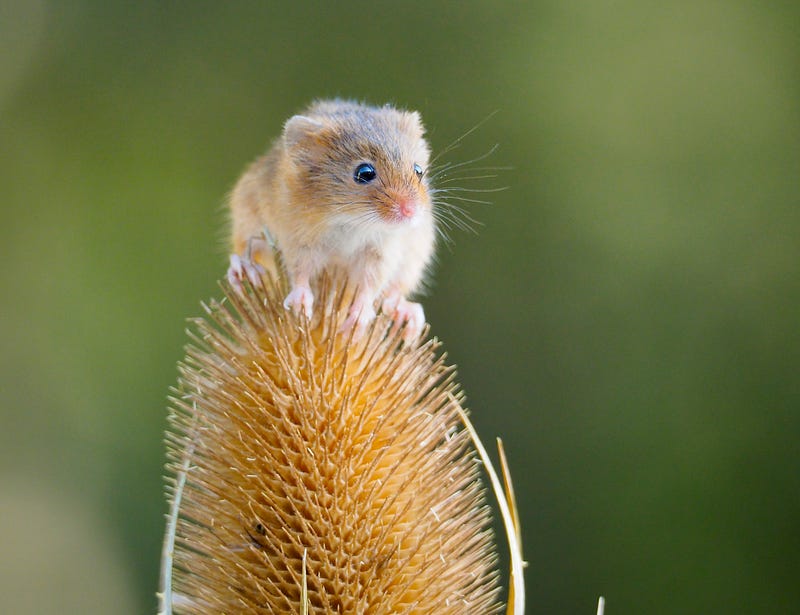
Harvest Mouse on Teasel. Photo by Janice Gill

I've always been a photography fan and still have my old Olympus OM2 and OM10 and a collection of lenses.

I moved to digital with a Nikon Bridge camera which was fun but failed after a couple of years. In 2009 I moved to a digital SLR made by Sony. This was one of my earliest shots.
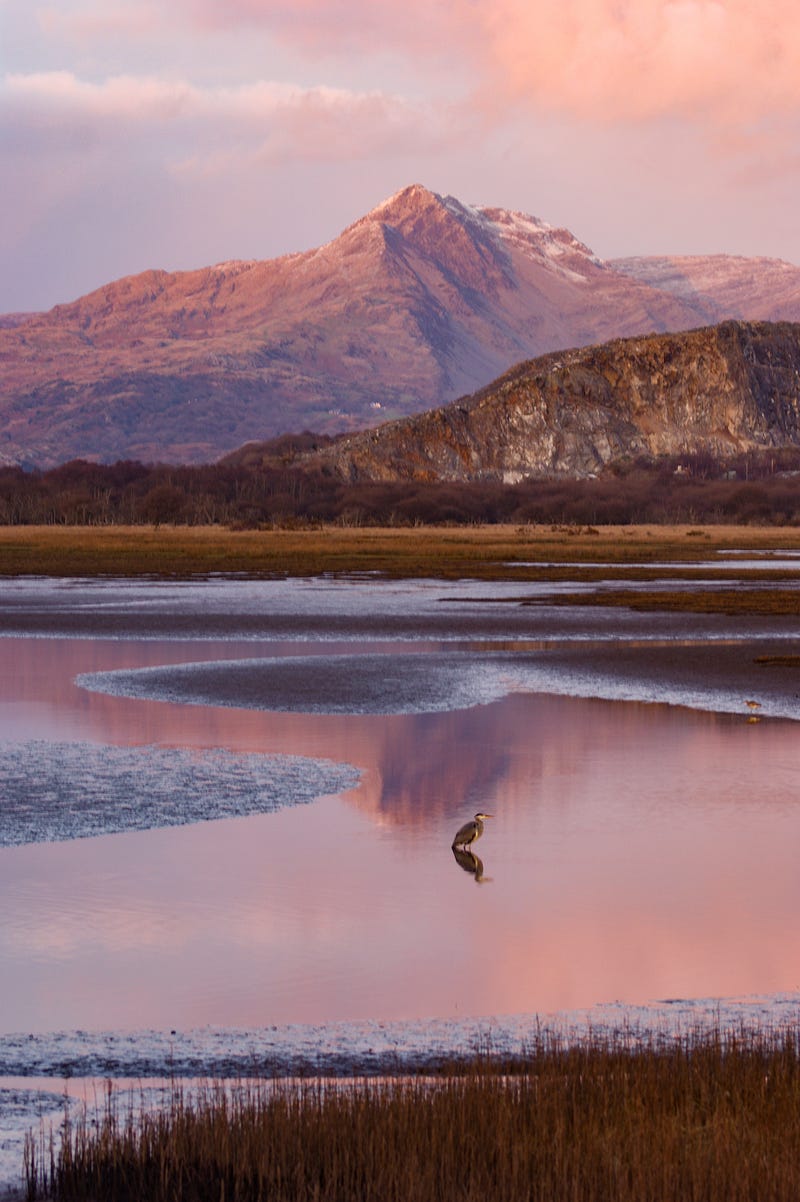
Snowdonia from the Cob, Porthmadog. Photo by Janice Gill

In 2017, I made the move to micro-four-thirds. Initially, I was reticent. My main concerns were around the availability of good-quality lenses and the ability of the chip to record enough data.

I needn't have worried about either count. There are more than enough quality and budget lenses to satisfy my needs, and good shots look great as wall art at substantial sizes.
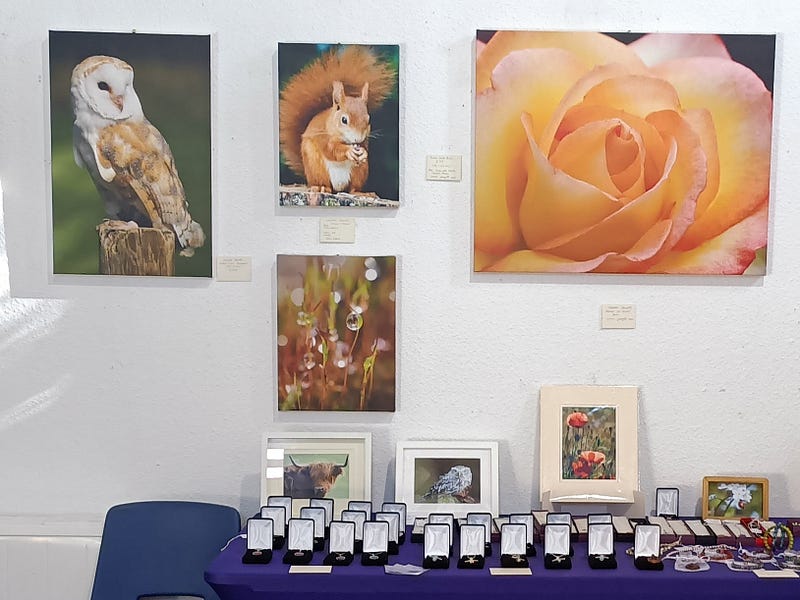
Gallery Exhibition — all exhibits Janice Gill — Photo by Janice Gill with a smartphone.

The biggest pluses for me are the weight and the cost.

Value for Money

I'm not a pro, so there are always budget constraints. I picked up a second-hand Olympus E-M1 for £500 and bought 2 kit lenses to go with it at £300 for the pair. These covered a range from 14 — 150mm or 28 — 300mm full frame equivalent. This minimal kit exceeded my expectations and convinced me the system was an excellent entry point.

I was so pleased that I added a fast macro lens and a longer telephoto in short order. Four lenses and the body came in at under £1,500.

Size and Weight

I'm not unfit, but at 60, carrying around a pack full of gear demands consideration. The camera body with my 600mm equivalent telephoto weighs under 1 kg for my Olympus system. Compare that to the weight of a Nikon telephoto up to 500mm, which weighs 2.5 kg on its own.

Photo Quality

Personally, I find the quality of the photos I get to be excellent. It's not quite up there on all counts with a top-spec Nikon or Canon DSLR, but you won't be paying out the spondoolies, either. Nor will you be carrying the weight.

There are plenty of reviews of micro-four-thirds systems. Here is a very technical and in-depth one, and here is a review of the E-OM1 ii
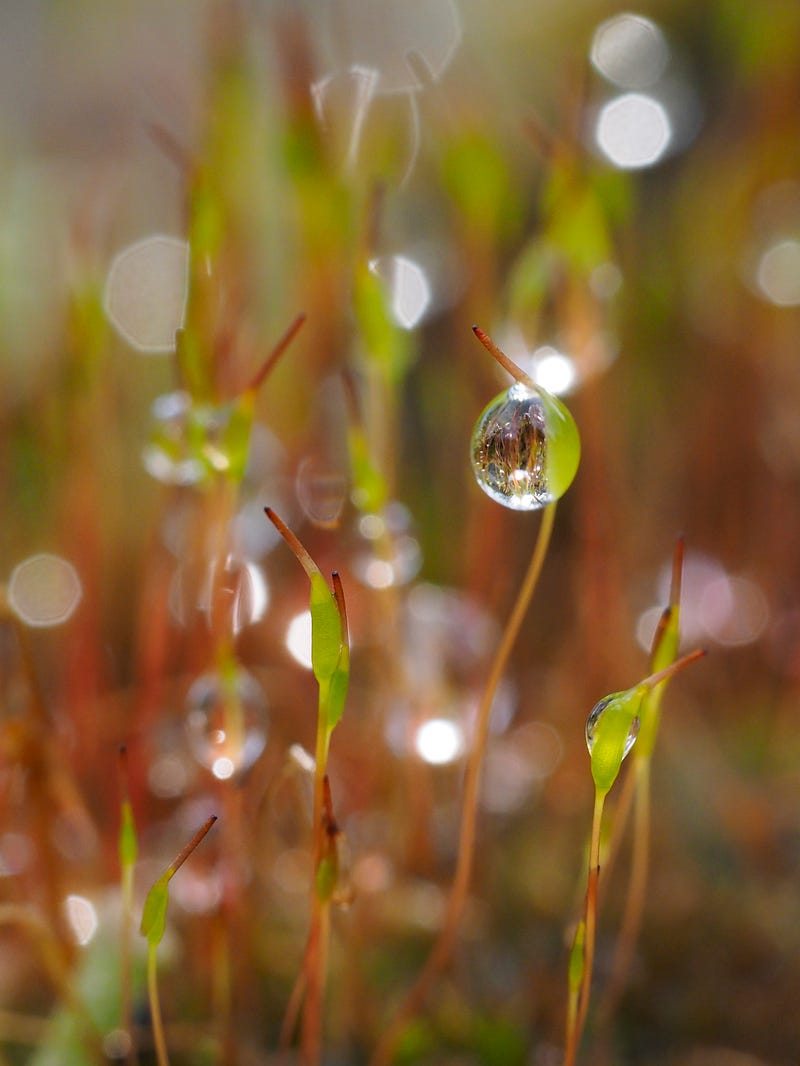
Morning Dew on Moss. Photo Janice Gill.

This system works really well for sports and wildlife photography at a reasonable price point. You'll get some cracking results as long as you are happy to work within its limitations (low-light performance isn't as good as larger sensor cameras).

Photography
Camera Review
Wildlife Photography
Micro Four Thirds
Full Frame
Recommended from ReadMedium