Summary
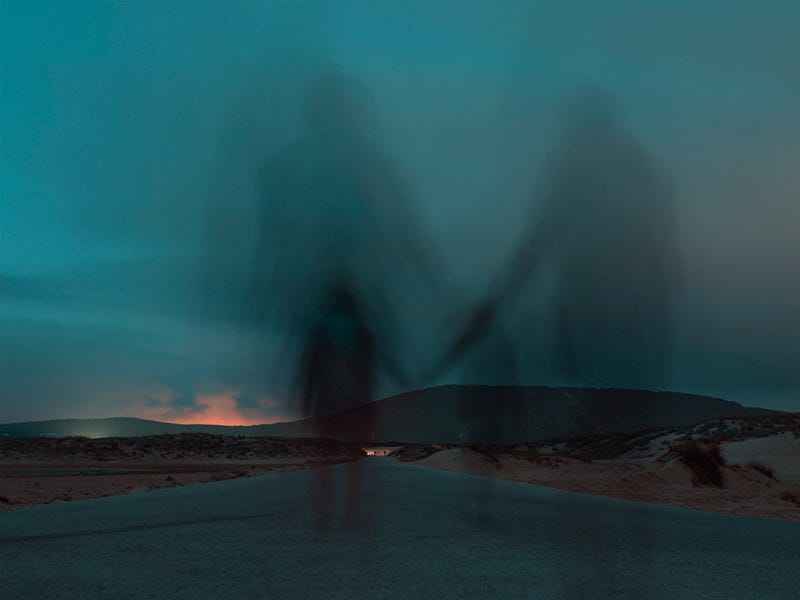
"The Lucky Ones — Version 1" is a pessimistic poem reflecting on the nature of being lucky, accompanied by Middle English text and an image by Jr Korpa.
Abstract
The provided web content features a poem titled "The Lucky Ones — Version 1," which presents a somber perspective on the concept of luck. The poem is set alongside a photograph by Jr Korpa, sourced from Unsplash, and includes elements of Middle English. It delves into themes of solitude, self-loathing, and the paradoxical blindness to one's own fortune amidst personal turmoil. The poem speaks to the experience of those who, in their own eyes, are unworthy and unkind, yet are considered 'lucky' by the narrator's standards. This version is one of a series, with links to "The Lucky Ones — Version 2" and "The Lucky Ones — Version 3," each offering different takes on the subject, ranging from positive to a death wish, and written in varying styles of English.
Opinions
- The narrator views the 'lucky ones' as those who are spared from future suffering by being 'abandoned in the gloom of night.'
- There is a sense of self-criticism and a lack of backbone to withstand criticism from others.
- The poem conveys a loss of respect and a refusal to conform or show kindness to others, suggesting a deep-seated bitterness or disillusionment.
- The author appears to grapple with inner conflict, recognizing their triumph as being overshadowed by discontent and the creation of worthless things they come to despise.
- The poem reflects on the idea that those who are considered lucky might not perceive themselves as such, hinting at a disconnect between external perceptions and internal realities.
- The mention of a 'calamity route' suggests a life path filled with misfortune, which contrasts with the notion of being lucky.
- The text implies that the speaker's thoughts of happiness are inevitably destined to become bleak, indicating a pessimistic worldview.
- The accompanying links to other versions of "The Lucky Ones" imply that the concept of luck is multifaceted and can be interpreted in various ways, from positive to negative, across different linguistic styles.