
The Lover’s Things
An exploration of some of the greatest love stories ever written — and of magical things
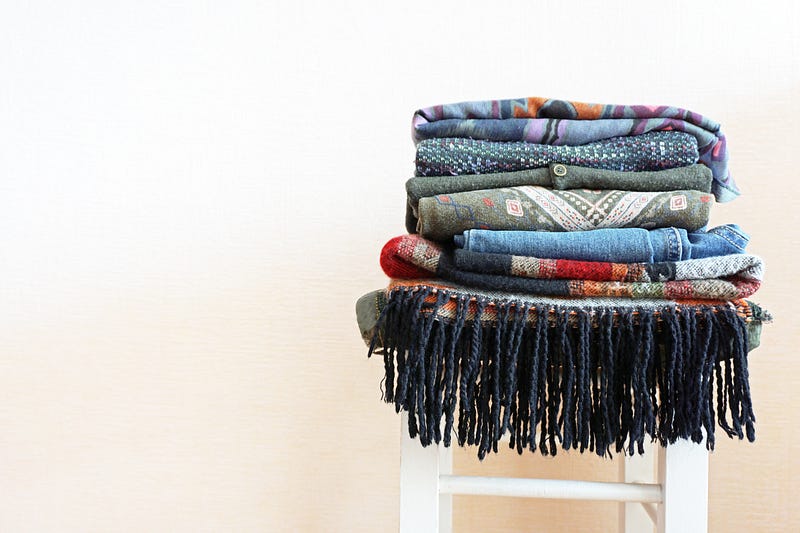
Most of our belongings undergo a development that can be described as a decline from the initial honeymoon phase, characterised by the immediate fascination with our new new (shiny, trendy) thing, through a phase characterised by indifference and carelessness, to, finally, rejection.
But some things are different.
Several authors have written about and celebrated the magical things and garments that belong to, have belonged to, or have been worn in the presence of the beloved.
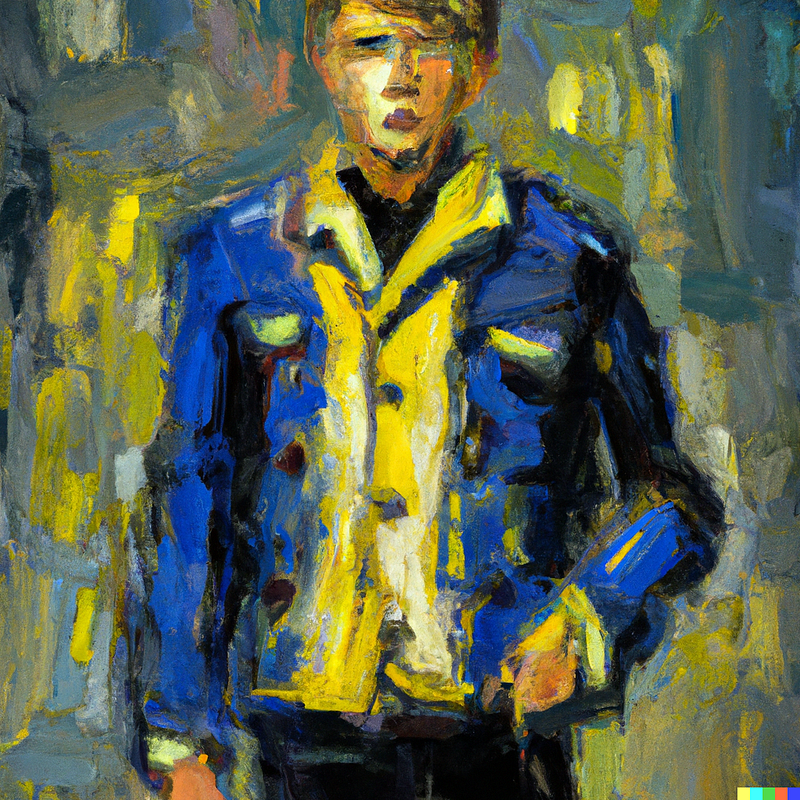
In J.W. von Goethe’s work about the great (unhappy) love from 1774, The Sorrows of Young Werther, the main character creates an almost auratic radiance around the blue coat and the yellow vest he wore the first time he danced with the unattainable object of his love, Charlotte. Every time he would wear the pieces since then, he would recreate the feeling of the magical first dance, thereby creating a brief passage to the past. The blue coat and the yellow vest blend the distant (and romanticised) “then” with the throbbing (painful, lonely) “now.” It is thus not a surprise that he should be wearing these when he finally kills himself.
Roland Barthes’ philosophico-poetic work from 1977, A Lover’s Discourse, displays the torrent of speech of a man or woman in love; as part of the speech, the beloved’s body and clothes are objectified and fetishisised. As a result, the beloved’s pieces of clothing assume a level of mystical, or almost religious or spiritual, provenance. In a sense, they carry something of the beloved’s identity; they are a part of him or her and therefore magical. They are more than just (meaningless) things.
With A Lover’s Discourse, Barthes does not want to explain love, tell about love, or establish a psychological portrait of the person caught in love. Rather, the fragments of the text create immediate images of love — and the attenuating feelings and moods — that anyone who has ever been in love would be able to recognise:
“At every moment of the encounter, I discover in the other another myself: You like this? So do I! You don’t like that? Neither do I!”
The things that are associated with or bound to the person — or the people — one loves have a very particular meaning. But not all of their belongings, of course! Some of their things in particular will appear magical or auratic — those things exactly that, in a way, can be considered the essence of one’s object of affection; in a way, they are that person.
A high degree of tactility is linked to such things. For instance, it could be a sweater that seems to always carry the scent, ever so slightly, of the beloved, and the surface texture of the sweater might give off the feeling of being close to the beloved. It could also be a notebook containing the beloved’s handwriting, which, because of the uneven texture created by pen against paper, can function as a sensuous portal into the beloved’s mind. Things possessing such qualities are central to the concept of aesthetic sustainability; they are carriers of stories and relations — and of magic and attraction. They have the power to erase the borders of distance and time.

With deep-felt love, which is supposed to replace the intoxicating infatuation that belongs to the honeymoon stage, follows a certain fascination with the beloved’s common or unoriginal characteristics and thus an acceptance of the beloved’s true “self.”
Based on this is an acceptance of the fact that the beloved’s identity consists of something unique, of course, but also of something common and human. Such a point of fascination is in sharp contrast to the disappointment following the insight that the beloved is just one among many potential love objects; this fascination, thus, is the opposite of what could be called the serial honeymooner’s craving the rush and newness of falling in love.
The young Werther is in many ways a serial honeymooner. To a great extent, he is in love with the image of Charlotte he has created and the fact of being in love, rather than Charlotte herself:
“Wounded by a remark he overhears, Werther suddenly sees Charlotte in the guise of a gossip, he includes her within the group of her companions with whom she is chattering (she is no longer the other, but one among others), and then says disdainfully: “my good little women” (meine Weibchen). A blasphemy abruptly rises to the subject’s lips and disrespectfully explodes the lover’s benediction.”
In the novel Identity by Czech writer Milan Kundera (b. 1929), acceptance of and fascination with the beloved’s ordinariness are expressed in a situation when the man of the relationship finds some letters hidden beneath his beloved’s underwear:
“He leaned into the open wardrobe, staring at the brassieres, and suddenly, without knowing how it came about, he was moved. Moved in the face of this immemorial action of women hiding a letter among their undergarments, this action by which the unique and inimitable Chantal takes her place in the endless procession of her peers.”
The man in love reconciles himself to the beloved’s true identity by accepting her humanity — that is to say, by accepting that she is simply a human being, who, in her humanity, is like everybody else. That which is human is ordinary and everyday-like, but this is everything but negatively understood. The everyday is auratic in the sense that it turns into something perpetually rewarding, fascinating, and durable.

Exactly the union and reconciliation of the beloved’s humanity and normalcy remind me of a novel I read some years ago: The Museum of Innocence from 2009 by Turkish author Orhan Pamuk (b. 1952).
In the novel, the main character, Kemal, spends most of his life collecting things that belong, or have belonged to, or that in some way remind him of, his beloved Füsun, whom he, for many different reasons, did not marry in time, thereby ruining his chances with her. The different things he collects — cigarette butts, an old ruler (which he sometimes cannot even stop himself from tasting), hairpins, several garments (which feel and smell like her), and small porcelain figurines from her parents’ home — afford him auratic experience.
When touching, smelling, or tasting these things, he creates a passage from the unbearable present to the wonderful, albeit lost, past. For a moment, the distance between “then” and “now” is obliterated: Kemal undertakes a brief travel through time. He recreates the happiest moments in his life through the things he has collected, and he maintains his fascination with Füsun on the strength of her ordinary mortality; the things, in fact, emphasize her vulnerability and humanity, which is specifically what he finds so moving.
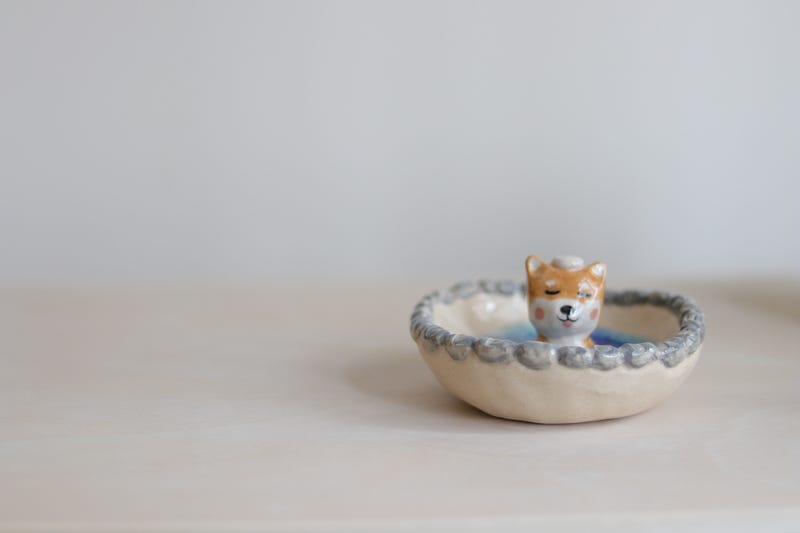
At times, a strong bond can form between an object and a subject that is based on aesthetics or on emotions and, largely, on an appreciation of the thing’s normalcy or “ability” to evoke pleasure, time and again. There are certain things that one simply will never tire of, due to their emotional value and the pleasure they evoke based on continual and sensuous use.
Let’s connect! https://www.instagram.com/the_immaterialist/