
The Love Hormone
Only psychopaths are incapable of producing oxytocin

Take 43 parts carbon, 66 parts hydrogen, 12 parts nitrogen, 12 parts oxygen and two parts sulphur. Form these into nine amino acids and order them into cysteine — tyrosine — isoleucine — glutamine — asparagine — cysteine — proline — leucine — glycine to form a peptide and you’ll get oxytocin.
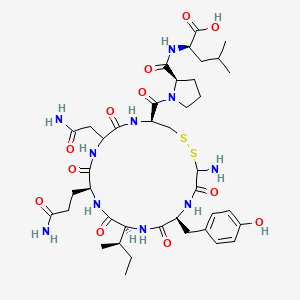
Alternatively, give someone a cuddle and, like magic, your body will make it for you.
Oxytocin is a chemical made in the brain whose function is to make you feel good about life, the universe and the person next to you.
Scientists once thought oxytocin was only released during sex, birth, and breastfeeding — useful for making a baby and ensuring the newborn gets the love and attention it needs.
They now realise it does more than ensure our species reproduces. When oxytocin is released, we connect with other people; we care about them and we fall in love with them.
Whether you get your oxytocin naturally or from a synthetic nasal spray (available on prescription) a dose of it will make you much more likely to engage in positive social or moral behaviours.
The only people who don’t produce oxytocin are psychopaths. You can now sympathise with the person who bullied you at school. Know it wasn’t because about you, it was them. They have something missing, they are incomplete.
Get some oxytocin
The pandemic has severely limited our interactions. We work from home, meet on zoom, and avoid contact with friends and family. We don’t shake hands or hug and kiss like we used to.
Weddings, birthday parties and holidays have been cancelled. Our collective moral and social well-being has taken a dip. Has all this happened because we aren’t pumping ourselves with oxytocin?
Feeling grouchy? Got the winter blues? Can’t abide getting stuck in a traffic jam on your way home from work? Get some oxytocin.
The quickest way to release your oxytocin is to nuzzle a baby, pat a puppy or have an orgy. If none of these is an available option — thankfully — there are many other stimuli that cause the brain to release oxytocin.
Dancing, singing, sharing, praying, meditating, hugging, and kissing. All these things, if done with someone else, release oxytocin.

These are not selfish acts. When we engage in these pursuits we gift others with their own dose of oxytocin.
You can turn on positive social behaviours as easily as if you turned on a tap. Oxytocin is a deep part of our nature, it’s what makes us human.
It seems crazy, but the feelings we have for others, the people we care about, those we love, are all down to a chemical we produce in our brains.
Oxytocin is called the love hormone, but it is much more than that.
Oxytocin also works in conjunction with other neurochemicals to help maintain a balance between what we fear and how safe we feel. It helps level our distrust in others. Without it, we’d be paranoid wrecks.
Oxytocin also tends to increase feelings of kinship. It heightens our responses to competition or challenges. In a team setting, oxytocin will affirm your partisan feelings but also enhance your dislike of an opposing force.
The Take-Home
You are a social creature. If you want to spread the love hormone, you need to reach out and connect with others.
It’s a two-way street. You give yourself a boost and you give others a warm and fuzzy feeling in the process.
It’s not all about sex. Gaze into your partner's eyes and you might feel horny, gaze into your friend’s eyes and you might wonder if it’s the beer that is making you feel all emotional.
“I’d do anything for you you, mate. You know that, right?”
It’s bonding.
Today I’m giving a shout out to Carrie Kolar. I like the quirkiness she adds to her stories and that it’s not always what I am expecting. Have a read and see what I mean.
If you’d like a little bonding with Malky, you can read more here or get an email when Malky publishes. And if you haven’t joined Medium, you can support Malky and other writers or earn money yourself by joining here.


