
The Lost City of Z: Uncovering the Secrets of the Amazon Jungle
Modern day mystery
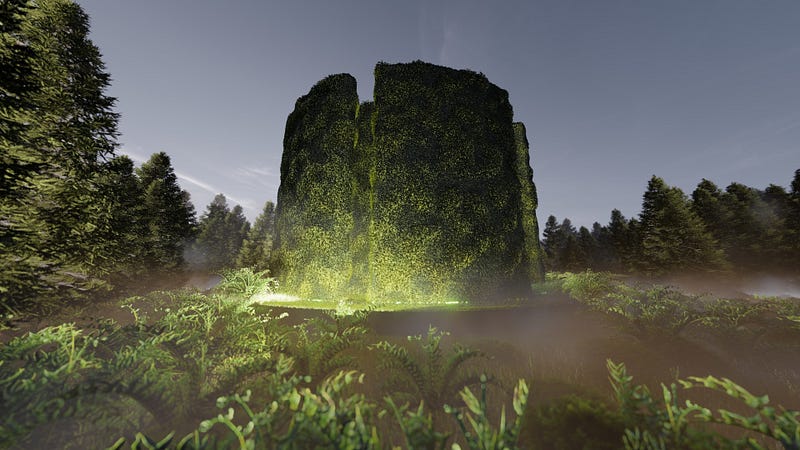
The Lost City of Z has been one of the most intriguing, fascinating and enduring mysteries of modern times. The city has captured the imagination of truth seekers and treasure hunters across the globe. The frantic search for a lost city deep in the Amazon rainforest makes the Lost City of Z a mysterious place.
The story began with the Spanish conquerors who first explored the Amazon region in the 16th century. Following the rumors of a great mysterious city plush with golds and riches, called El Dorado, various hunting expeditions were launched in search of this mythical city, but none were successful.
With various unsuccessful attempts, it seemed that the treasure hunters will give up on the mystery. But in the early 20th century, a British explorer named Percy Fawcett became obsessed with the idea of finding a lost city in the Amazon. He was a veteran of the British Army, having served in India and Africa before turning to exploration.
Fawcett had already led several expeditions into the Amazon rainforest but had never found anything of great significance.
In 1925, Fawcett decided to embark on his most ambitious expedition yet, with the goal of tracking the lost city he named as “Z.” Accompanied by his son and a close friend, Raleigh Rimmell, the trio set out on their most ambitious and dangerous mission. Through Rio Verde, an Amazon river tributary, to the unexplored region of Mato Grosso, the expedition began.
Preparedness brings confidence, and Fawcett left no stone unturned to make this expedition a raging success. He gathered a team of experienced guides and porters, with the latest equipment available at the time, including a wireless radio. Confident and determined in his team, Fawcett set to make this mission a success where others had failed.
However, all the preparations in the world can’t guarantee success. Fawcett and his team encountered various problems in their expedition. Starting from hostile indigenous tribes, harsh weather, and disease, they were pegged back by the things beyond their control. Fawcett and team sent back several dispatches to report on their situation, but after their last report in May 1925, no ne heard back from them again.
The strange disappearance of Percy Fawcett and his team sparked a media frenzy and a wave of public interest in the lost city of Z. Multiple expeditions were launched to search for Fawcett and his team, but none were successful. Some explorers even claimed to have found evidence of Fawcett’s presence in the Amazon, including a letter allegedly written by Fawcett himself, but none of these claims were ever substantiated.
Over the years, many theories and explanations have been proposed to explain the fate of Fawcett and his team. Some theories suggest that they were killed by indigenous tribes, while others believe they were lost in the jungle and died of starvation or disease.
One of the most interesting theories speculate that Fawcett and his team may have found the lost city of Z, but chose to remain there and live out the rest of their days.
The intriguing part of mysteries is that someone will always be curious about them. In recent years, there have been new developments in the search for the lost city of Z. In 1998, a team of archaeologists led by Michael Heckenberger found evidence of a large, complex civilization that had existed in the Amazon region for thousands of years.
This civilization, called as the Kuhikugu, had built extensive networks of roads and settlements and had a complex, and sophisticated system of agriculture and land management.
The discovery of the Kuhikugu civilization has led some explorers to believe that this could be the lost city of Z that Fawcett and various others were searching for. However, there is still no concrete evidence to substantiate this theory, keeping the mystery alive.
A testament to the enduring appeal of travel and adventure is the tale of the Lost City of Z. It serves as a reminder that there are still plenty of unsolved mysteries in the world and that the spirit of exploration and discovery is still very much alive and well. Adventurers and treasure seekers have been enthralled by the hunt for the lost city of Z for many years, and people are still fascinated by it today.
While many have searched for the lost city, few have come close to finding it. The Amazon rainforest is a harsh and unforgiving environment, filled with dangers like disease, wildlife, and hostile tribes. Even with modern equipment and technology, the search for the lost city remains a daunting challenge.
Mysteries rarely die. Despite the prevalent challenges, there are many passionate individuals and groups who are driven to find the lost city of Z. In recent years, there have been renewed efforts to locate the city, using the latest technology and methods.
Some researchers and explorers are now using satellite imagery and ground-penetrating radar technology to search for hidden structures in the rainforest.
One such group that is actively searching for the lost city is the Fawcett Society, named after Percy Fawcett himself. This Society is dedicated to preserving Fawcett’s legacy and continuing his search for the lost city. They have conducted several expeditions to the Amazon, using modern equipment and methods, to uncover the secrets of the forest and the lost city.
While the search for the lost city of Z may seem like a long shot, it is important to remember that exploration and discovery have always been at the heart of human progress. It was through exploration that humans discovered new lands, new resources, and new ideas. Without the spirit of discovery and exploration, we would not be where we are today.
Moreover, finding a mythological city or collecting treasure aren’t the only goals of the search for the lost city of Z. It also involves comprehending the background and way of life of the native Amazonians. We can better understand the diversity and richness of the natural environment, as well as the crucial role that indigenous cultures play in protecting it, by visiting the jungle and learning about its mysteries.
In conclusion, the tale of the Lost City of Z serves as a reminder to the long-lasting spirit of exploration and adventure that has motivated people for thousands of years.
Even though the quest to find the lost city may never be fully accomplished, the journey itself is worthwhile since it teaches us more about ourselves and the world we live in. “Exploration is the essence of the human spirit, and the desire to know and understand is its driving force,” Percy Fawcett himself once stated.
References