The long-term impacts of food waste: can we have a waste-free 2050?
‘Australia produces so much food waste that, if you placed it all in garbage trucks, you could have a convoy of 450,000 trucks going all the way from Melbourne to New Zealand and back’ — Sustainable Table.

While some of the short-term and immediate impacts of food waste are well known and talked about often, it is worth exploring the more long-term consequences of this wastage. The demand for food is increasing every year, and it is estimated by the UN that food production will have to increase by half by 2050 to meet the needs of a growing population. With this growth will come significant food wastage unless solutions can be found to alleviate the situation. Globally, nearly a third of all food produced is wasted or lost for one reason or another. One of the many reasons for this is that a large proportion of food doesn’t meet the cosmetic standards expected by supermarkets.
If instead of increasing production, food waste was completely eliminated, then only a very minor increase in production would be needed and millions with food insecurity could be helped.
The long-term impacts not only concern food security, but have implications for climate change, water security and land usage. To put things into perspective, if food waste were a country, it would be the third biggest greenhouse gas polluter after the U.S. and China. When all that food rots in landfill with other organic matter, it produces a greenhouse gas called methane which is over 20 times a more potent pollutant than an average car exhaust according to One Green Planet. It also traps heat 100 times more than carbon dioxide over a 5-year period.
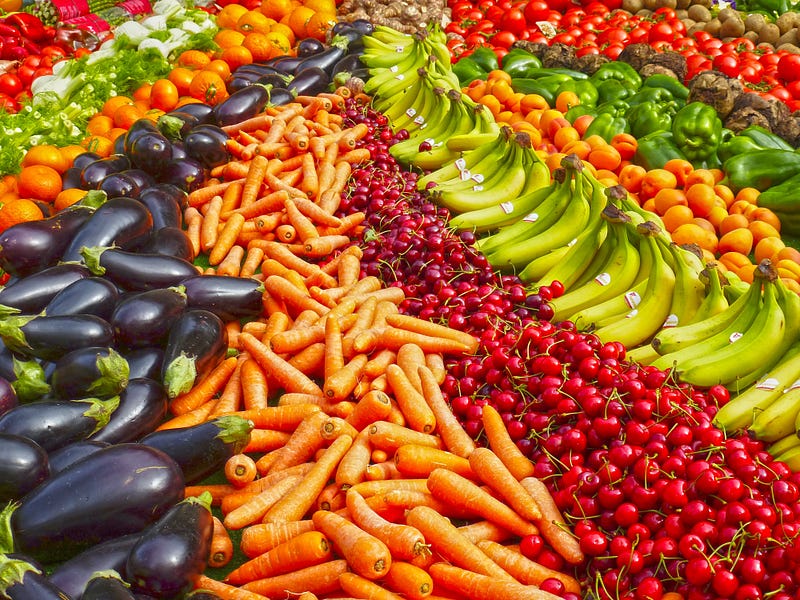
Move For Hunger explains that agriculture accounts for 70 percent of global water usage, so a significant amount of this water is used on making food that ends up getting wasted. That volume of water is roughly three times that of Lake Geneva in Switzerland. On a more day-to-day level, a glass of milk poured down the sink accounts for 1000 litres of water wasted. According to Triplepundit, about 30 percent of agricultural land area is a waste because it produces food that goes uneaten.
These things all add up to a more unsustainable future. Biodiversity is impacted as forests are cleared for agricultural land which ends up producing wasted food. Electricity needed to power the food production causes carbon emissions. And of course, the methane gas caused by decomposition of the wasted food. To help the situation, interventions are needed at all points in the food chain.
Homeless people can be nourished with surplus food, animals can be fed, and composting can be employed — as detailed by RRS. There are also industrial uses for food waste. For example, the aforementioned methane gas can create electricity under the right conditions — all from composting organic matter. Supermarkets and food outlets can take their own initiatives to combat the wastage. Innovation can also come along, and there is no better example than Bring Me Home. It is an app that reduces food wastage from food outlets and supermarkets by connecting customers with the surplus meals. Slowly, the world can transform with more forward thinking in regards to food waste. By 2050, perhaps we won’t be having this conversation anymore. But until then, hard work needs to be done to create a sustainable future.
___________________________________________________________________
Tristan Pokornyi is a sustainability-minded aspiring writer and startup marketer with a passion for photography and travel.
Sources:
https://www.bringmehome.com.au/
https://recycle.com/food-recovery-hierarchy/
http://www.onegreenplanet.org/animalsandnature/methane-vs-carbon-dioxide-a-greenhouse-gas-showdown/
https://sustainabletable.org.au/all-things-ethical-eating/food-waste-fiasco/
https://www.moveforhunger.org/the-environmental-impact-of-food-waste/
https://www.triplepundit.com/2013/09/food-waste-big-time-hit-climate-water-land-biodiversity/
https://www.hunker.com/12476924/how-to-generate-electricity-from-compost
https://www.nationalgeographic.com/environment/global-warming/deforestation/


