
The lockdown cliches I succumbed to
and why I am glad I did
Back at the very end of March, when real life ground to a halt very fast, most businesses closed their doors overnight and Boris Johnson wrote us all urgent letters telling us to Stay At Home, there was an immediate surge on social media of the type of rabble-rousing positive-thinking spam posts I inevitably deride and hide. “Use this unexpected downtime to learn a new skill!” they crowed. “You could learn a new language, or develop a side hustle in a business you never had time for. You could learn new baking skills and develop yoga flexibility you never knew you had and finish the novels you were putting off til summer holidays. You could practise mindfulness and interact with nature in your garden!”
I was dismissive. We were dealing with a pandemic, an international crisis. I had work to do and clients to deal with and staff to furlough. I was stressed and fretful and missing my extended family and my friends; I could not sleep for more than a couple of feverish hours at a time, let alone concentrate on the thick novels stacked up by my bed. I had no idea what shape my life took any more, and I was also very frightened.
I am a person who likes to make plans, to always be one step ahead in my mind of where I am on the ground. I’m not organised, and I’m not meticulous, I’m not a list maker— I just like the sense of Getting Shit Done. I adore a full diary and to have weekends stuffed with too many plans really to fit within the available hours. I could not comprehend a world where this was no longer possible.
For two weeks, I railed in my mind at the “new normal”. I logged into my work computer every morning and did my job, insisting to myself and to clients that our new routines were a temporary setback, that everything would be back to normal soon. I exercised outdoors in the 30-minute or one-hour slots that were permitted, and then I slumped on the sofa, staring at news websites on my phone and hoping for miracles. I cooked the same meals I’d always cooked, at the times I’d always prepared them, and in the long evenings I sat with my family and watched the same films and TV series we always watched. Then I went to bed and I was both exhausted and not tired enough, so I would have another fitful night with not enough sleep in it.
As the third week began, though, I decided that things had to change. It was very clear that England’s “lockdown” would not end any time soon, and it was equally clear to me that it was not fair on anyone I lived with — or myself — for me to carry on in the way that I was.
And so, slowly, I began to introduce some of the things that all the positivity-focused articles had recommended in the first place.
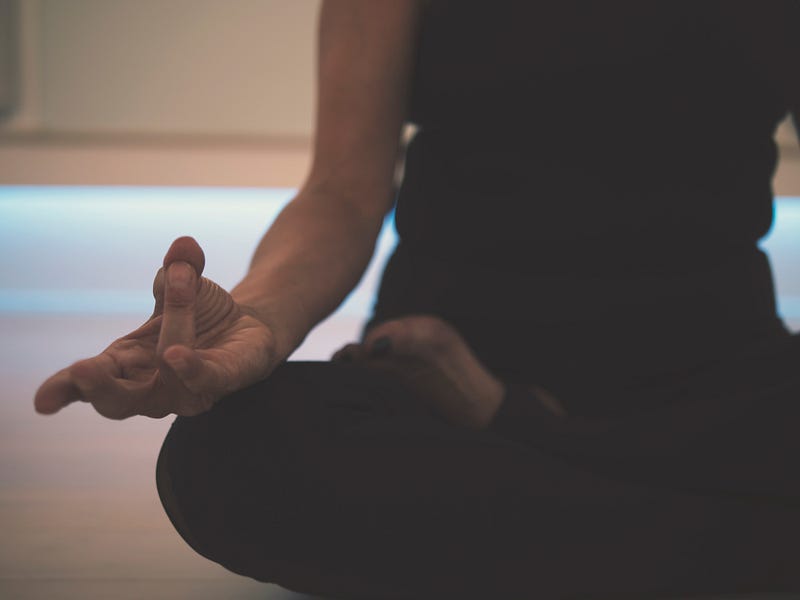
Yoga
In the morning, I began to set my alarm and get straight out of bed and onto my yoga mat. I now do a 10-minute wakeup yoga sequence before I even have time to think, before I even put my contact lenses in, and you know what? It helps. It really does. I breathe more deeply through the day and I ache less in my uncomfortable home-office chair. I sleep better. I am more focused.
Gardening
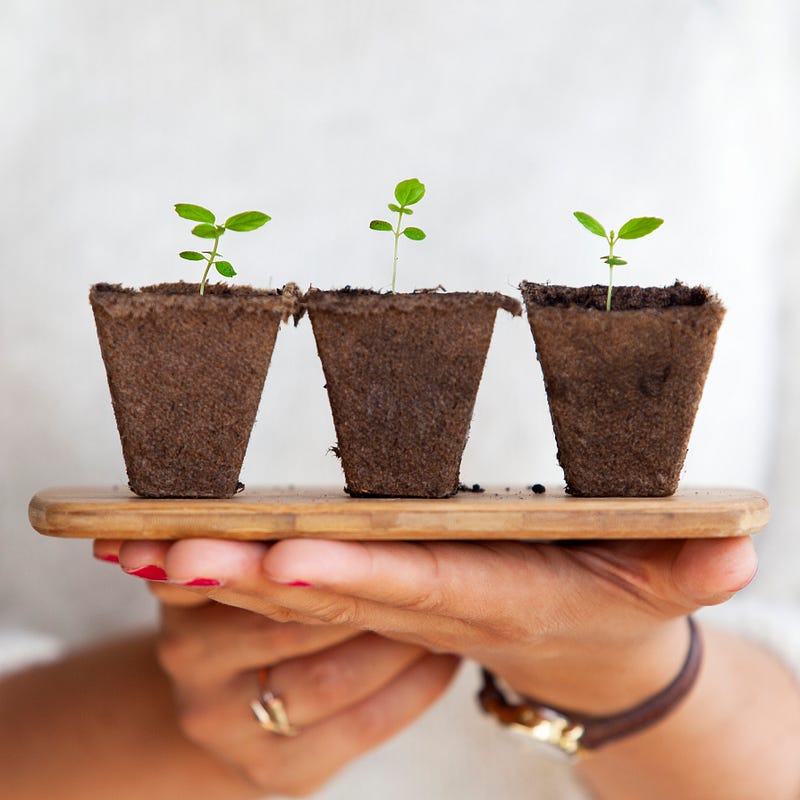
I started to spend more time outdoors. I don’t know why it took so long for the penny to drop that although I couldn’t go for more than one run a day, I could stay in my garden as much as I liked. I don’t have green fingers, but I ordered a bundle of bedding plants from a local nursery (SUPPORT LOCAL BUSINESS! Another lockdown box ticked!) and I’ve been nurturing those bad boys like they’re my actual children. I’m almost embarrassed at how satisfying it is to see tendrils of new growth peeping over the edges of the containers I’ve filled with plants. I did that! With my watering and care, I created that growth! It blows my mind. Such a simple thing, but it’s wonderful.
Baking
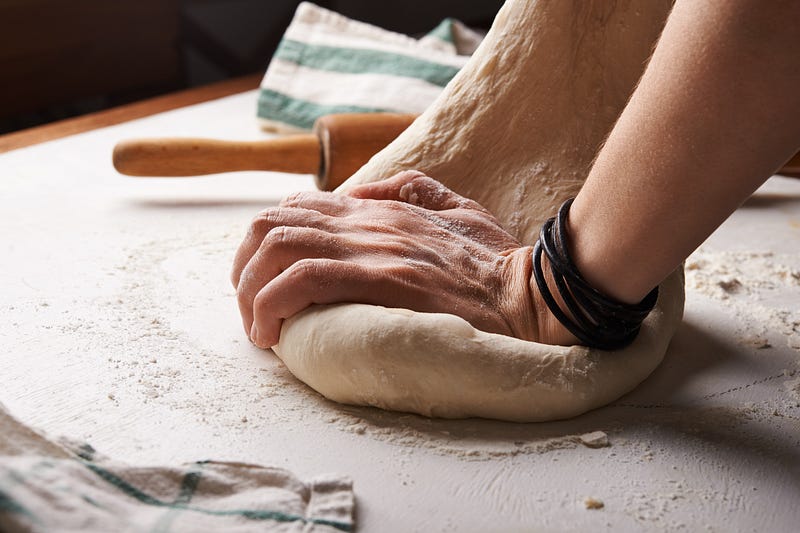
I now cook different things. I could see that I had more time at my disposal, and that time needed filling, and so I could prepare recipes that needed forethought — the sort of things I’d always dismissed as the preserve of people with more time than me. Bread, for example. I eagerly accepted the gift of a sourdough starter from a neighbour, I followed the endless instructions it came with, and I looked after the dough lovingly for many slow hours. When I baked a perfect-looking crusty loaf after two days of this dough care it was thrilling.
And I have changed the layout of our evenings. With no early commute to factor in, no chores to fit in that we won’t have time for tomorrow, and with no gym classes or trips to the pub or evening meet-ups with friends, there is no need to have dinner ready early or to go to bed quite as regimentedly early as before. We can spend some time in the garden (with my plants!) before we eat, or we can watch TWO films, even, or — yes — I can spend a few hours buried deep in one of the thick heavy novels I got for Christmas. Life can happen at a slower pace. There is no need to think too far ahead.
And that, in a nutshell, is what has changed in me. To cope with the strange shape that all our lives have been forced into, the realisation that so little of it is anywhere close to our sphere of control, it is necessary to live more than we ever have in the moment. I never really understood that phrase before, it was anathema to my way of thinking, but now I get it. There is no need to think any further ahead than the next time I need to knead some dough or water some seeds or turn the oven down.
I now see that life can happen in the small moments as well as the big ones, and I hope I don’t forget that if we ever get back to anything resembling the world as we knew it. (I’ll still never share one of those positivity lists on Facebook, though. There’s such a thing as going too far).


