
The Lincoln Memorial Dedication — White Supremacy Rules
Why couldn’t America get it right?
At the dedication of the Lincoln Memorial, Black Americans who attended were segregated from the rest of the crowd on hand. The area where they sat was not just designated but it was roped off. The date is May 30, 1922.
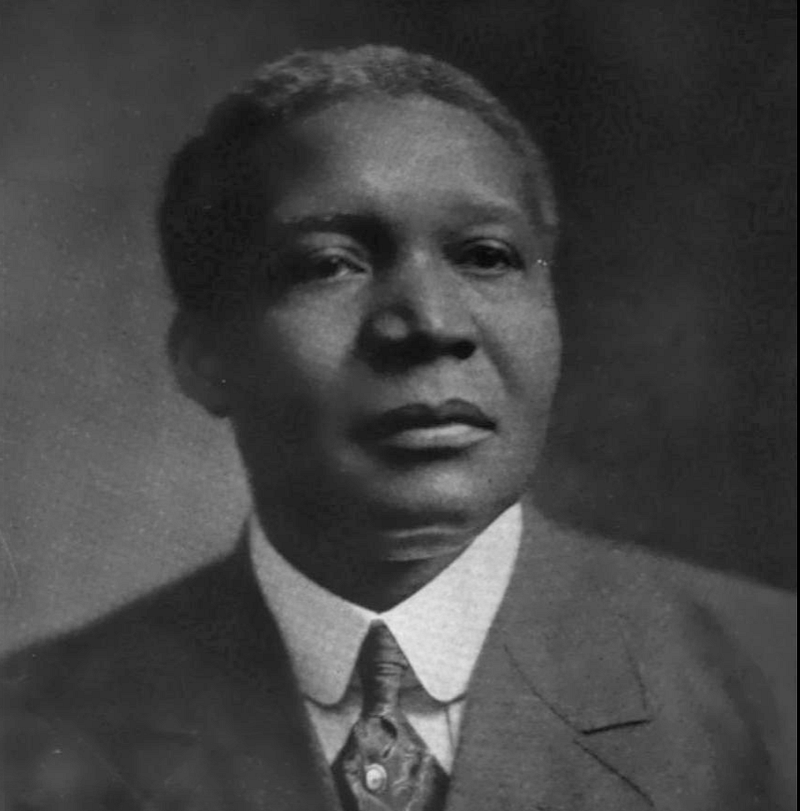
No African Americans were allowed to speak at the dedication except one — Dr. Robert R. Moton, an African American scholar, and President of Tuskegee Institute in Alabama.
Moton wrote a speech that sought to expose the hypocrisy of the event. He called the memorial a “hollow mockery” in his initial draft of the speech. Yet, Moton’s speech was altered and censored by President Harding and he was not allowed to criticize the country or its history.
It should also be noted that Moton was a conservative. He was President of Tuskegee when the Tuskegee Experiments began and did not, as far as history has revealed, object to the experiment. Moton died long before the evil of the Tuskegee experiments was exposed. It is difficult to determine his role in that horrific story.
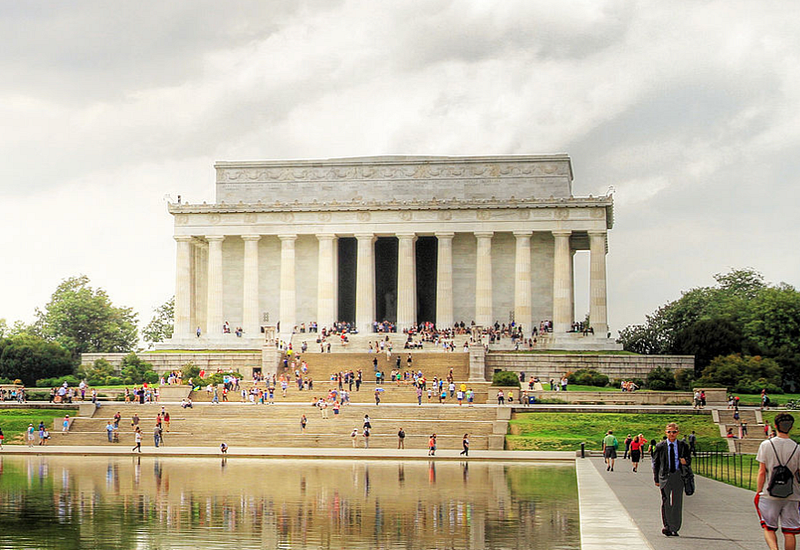
The event, for Lincoln, was not about the end of African slavery in America or the Emancipation. Instead, the focus was on the Union. The United States of America. White supremacy ruled the dedication ceremony mostly. This spin of President Lincoln’s legacy is the result of white supremacy in America.
First, when Reconstruction failed and came to an end in 1877, America’s racial caste system reasserted itself. African Americans had gained the right to vote but soon lost those rights. Black Codes, laws discriminating against African Americans in all aspects of American life, were implemented and America’s racial apartheid system, “dejure” and “defacto,” became the law of the land.
Next came the South’s “Lost Cause” narrative. This was a movement by the South and the Daughters of the Confederacy to uplift those who fought for the Confederacy. The movement shifted the focus from the evil they were fighting for (to continue to justify African slavery) to their heroism fighting for their racist cause.
Their efforts were largely successful. By the time of the dedication of the Lincoln Memorial, there was no mention of the Africans who had been enslaved and who were really what the war was about. As W.E.B. DuBois has written, when the South seceded and declared war on the United States, the South liberated the African slave population. From that day forth, the African Americans of the United States could fight for their freedom, take up arms and liberate themselves. Yet, America, on May 30, 1922, erased the real truth of the past.
Black people had fought for their liberation and it was Lincoln who had allowed them to take the fight, as soldiers, to the Confederacy. That was not the story that was told at the dedication. And to add an additional insult, the event was racially segregated.
The Lincoln Memorial Dedication was betrayal by the U.S. Yet, no surprise. Three years earlier, race riots had engulfed the U.S. Washington D.C. was the site of a race riot in July 1919. Segregation and Jim Crow laws were entrenched across the U.S. The racial caste system ruled the lives of African Americans.
At the time of the dedication, most African Americans supported Abraham Lincoln and his legacy. He was hardly perfect but he had been assassinated for prosecuting a war that ended slavery and conquered the South for at least a few years. They remembered.
Shortly after the event, Crisis editor, W.E.B. DuBois weighed in on the racism at the event. He specifically called for Clarence C. Sherill, the superintendent of the Capitol grounds (the person arranging the logistics for the event) to resign. Sherill was the person responsible for the racially segregated seating. He was also an appointee of the President, Warren Harding.
The Washington D.C. branch of the NAACP issued resolutions calling for the same.
“It would be a rude awakening and a painful disillusionment to us to realize that the party was approving and following a practice which was an incident of the institution of chattel slavery,” the resolution stated.
According to historical accounts, African American dignitaries who received tickets to attend the event and to sit on stage did not know their seats would be behind seats for white dignitaries, roped off in a “colored” section.
Yet, at the dedication for one of the few white leaders they could support, white supremacy ruled the event. It was shameful and ugly and was the beginning of a slow separation of African Americans from the Republican Party.
Excerpt from Lincoln Memorial Documentary (courtesy PBS)


