
The Lifestyle Detox: Implementing Cyclical Routines to Defend Your Body Against Modern Toxins
Heal your mind, body, and spirit from toxin exposure with holistic practices
If you are alive in this day and age, you have been exposed to a number of toxins that have accumulated in the fat cells all over your body. Many refer to this toxin accumulation as a toxic load.
This toxic load starts in utero; in fact, it starts from the generations of ancestors before you who have either worked on farms or in the harsh conditions in factories during the height of the Industrial Revolution.
Regardless if you support natural detoxification in your diet or eat the chemically laden processed food produced by large food corporations, your liver is working overtime with our daily exposure to harmful substances.
Diet and exercise just isn’t enough these days.
[Toxic load] starts from the generations of ancestors before you who have either worked on farms or in the harsh conditions in factories during the height of the Industrial Revolution.
There has to be an implementation of cyclical practices in place to ensure your well being and longevity.
Poor detoxification leads to a litany of health issues that haunt the majority of us. These issues come in the form of:
- Irritable Bowel Syndrome (IBS)
- Heart Palpitations
- High Blood Pressure
- High Cholesterol
- Hormonal Problems
- Infertility
- Inflammation
- Insomnia
- Joint Pain
- Menopause Symptoms
- Multiple Sclerosis (MS)
- Obsessive Compulsive Disorder (OCD)
- Overactive Bladder
- Parkinson’s
- Polycystic Ovarian Syndrome (PCOS)
- Shingles
- Small Intestinal Bacterial Overgrowth (SIBO)
- Sinus Infections
- Strep Throat
- Thyroid Conditions
- Urinary Tract Infections (UTIs)
- Weight Gain
By all means, this is not an all inclusive list. We all suffer from something, no matter how small, or even if we don’t know it yet.
Detoxification is at the root. When we’re not doing it well, we suffer. When we manage it, we thrive.
Sure, the basics call for more fruits and vegetables, no processed foods, and warm lemon water.
Before I continue, if you’re not doing that, see where you can find areas in your eating habits where you can replace packaged processed foods with more whole foods options.
- If you are confused about How to Navigate A Health Eating Habit in A Society That Sets You Up to Fail, check out my previous article regarding this subject.
There are a few ways to go about this.
Fasting
Fasting does a lot, though it certainly isn’t for everyone. Those with a history of eating disorders or disordered eating should consult with their health practitioner before trying it.
If you feel safe doing so or have consulted your medical practitioner, fasting has the following benefits:
- It can put your body into ketosis (meaning your body burns fat instead of carbohydrates).
- It allows your digestive system to rest.
- It promotes blood sugar control by reducing insulin resistance.
- It improves blood pressure, triglycerides and cholesterol levels.
- It aids in weight loss by boosting your metabolism.
The following fasts are the recommended fasting and feeding times (the window to eat your meals) for optimal detoxification and cellular autophagy:
- Minimal amount: 12 hour fast, 12 hour feeding time.
- Most doctors recommend a 12 hour fast regardless of cleansing or detoxing protocols
- 14 hour fast, 10 hour feeding time.
- 16 hour fast, 8 hour feeding time.
- 18 hour fast, 6 hour feeding time.
The more intensive fasts for the more experienced people are:
- Two 22-24 hour fasts a week
- 5 consecutive days of calorie restriction (800 calories a day) during one month
- 3 day water fast
There is certainly some controversy about fasting and whether it is an effective method for detoxification.
However, there is some substance in the fact that your body should be able to go through its natural detoxification processes uninhibited by the energy we force our bodies to expend on digestion.
As we learn more about fasting and intermittent fasting, methods will continue to surface. These practices have been a part of many religions and cultures for ages.
Fasting isn’t a new concept… We are merely getting more information about it.
A Period of Time Without Alcohol
Whether we like it or not, alcohol is considered a toxin… hence the term intoxicated. It slows down how fast we synthesize nutrients in our bodies.

Many studies have shown the deterioration of the brain after prolonged use of alcohol.
This most likely is not a surprise, yet alcohol is regularly woven into social and holiday occasions.
[Alcohol] slows down how fast we synthesize nutrients in our bodies.
Abstaining from alcohol tends to give you raised eyebrows and/or questions regarding your sobriety.
Thankfully there are many companies out there these days who are promoting botanical, alcohol-free spirits for anyone who doesn’t want to consume alcohol or are simply “sober-curious.”
If you find that you drink a glass or two of wine everyday, ask yourself: why are you drinking? Do you absolutely need it?
Try going one week at first without it, or even just three days depending on your situation. From there, increase your alcohol detox to weeks or even months.
Increased Intake of Fermented Foods
To help level the battlefield of good and bad bacteria in your gut microbiome, eat more fermented foods.
Fermented foods are rich in probiotics that help your gut fight the bacteria that eat at your gut lining or cause bloating and inflammation.
…your gut contains over 70% of your immune system and produces almost 80% of your serotonin.
This good gut bacteria helps break down the food that you eat and synthesize many vitamins essential to your health.
This breakdown process is also essential to detoxifying your body from ingested toxins through food, the polluted air you breathe, water, or personal and household products.
Ingesting more probiotics in your system to do this can really boost your immune health, mood, and digestion as your gut contains over 70% of your immune system and produces almost 80% of your serotonin.
Some examples of fermented foods are:
- Kimchi
- Sauerkraut
- Sourdough bread
- Miso
- Kefir
- Tempeh
- Natto
- Kombucha
- Probiotic yogurt
These foods also tend to be easier to digest as well, so anyone with digestive issues who wants to improve their gut health without a large range of supplements can implement fermented foods into their diet.
Increased Water Intake
Drinking water is a wonderful way to increase your level hydration, but eating your water is going to help your body stay more hydrated than anything.
Because of the fibers in fruits and vegetables, your body digests the nutrients in those foods more slowly whereas ingesting regular water via liquid tends to be urinated.

This does not mean stop drinking water. Simply incorporate more leafy greens and colorful vegetables into your meals.
My favorite tip is just sautéing leafy greens and throwing them into literally any savory dish.
- Leafy greens like spinach, chards, and collards have a very low taste profile and can be a great addition to a scramble, pasta, stir-fry, or protein topping.
- Check out my cooking hacks to a healthier kitchen!
Aim to get at least 25 grams of fiber from vegetables to get more hydrated.
Eliminate Sugar During A Sugar Detox
Many studies have shown that sugar feeds tumors, inflammation, and bad gut bacteria. Nevertheless, sugar has never been more invasive in our culture.
Sugar is advertised, or even, dare I say, targeted to children specifically because of their persuasion over their parents’ wallets.
From a young age, we are taught to have it as a necessity and our body is hardwired to always choose the more sugary option because of our biology.
Regardless of the fact that our body can produce glucose on its own, we have come to believe that we absolutely need sugar at every meal in the form of sauces, dressings, seasonings, marinades, breads, and more.
Many studies have shown that sugar feeds tumors, inflammation, and bad gut bacteria. Nevertheless, sugar has never been more invasive in our culture.
Sugar is hidden in so many foods that it is nearly impossible to find conventional foods without it.
Sugar lights up the same part of the brain that addictive drugs do, so when we detox from sugar, you’ll find that we have typical withdrawal symptoms:
- Headaches
- Lightheadedness
- Moodiness
- Excessive sweating
- Cravings
Many protocols to detox from sugar call for a 10 day detox, but try three days at first if this seems too intimidating.
This is probably the most challenging cleanse/detox of them all.
Eat More Antioxidant Rich Food
Antioxidants fight against the oxidative stress that cause free radicals in your body. These free radicals are what age your body internally and externally.
Your liver metabolizes the compounds you consume that produce these free radicals, so antioxidants are needed to maintain the oxidative balance within it.
When this balance is disrupted, that’s when the oxidative stress comes into play.
Many diseases are caused by this oxidative damage which, in turn, causes inflammation, and since antioxidants fight against the oxidative stress that causes free radicals in your body, it only makes sense to incorporate more antioxidant-rich food.
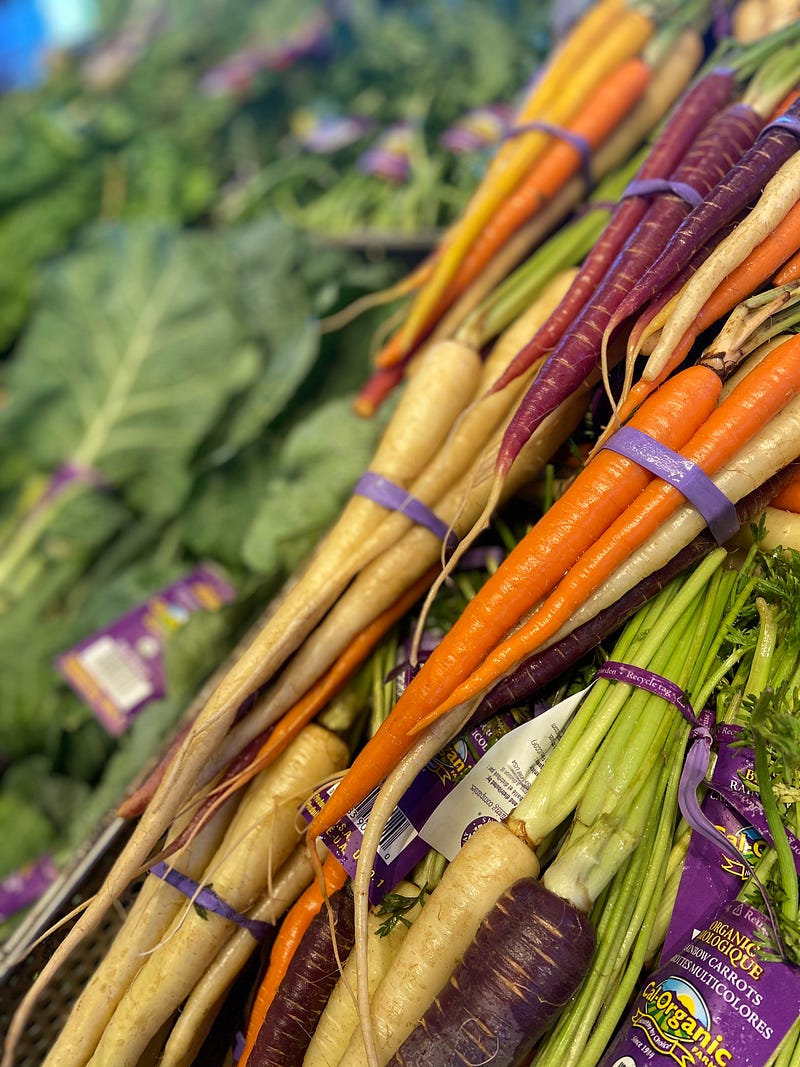
Food high in antioxidants/polyphenols are typically fruits and vegetables.
How often do we implement these practices in our lives?
It’s difficult to say how often a person should detox without knowing their health history. This is why the need for detox for each person is just as individual as the person is.
An easy way to determine if you need a cleanse or a detox is to do a body scan.
- Are you fatigued easily?
- Do you feel like you’re getting indigestion or bloated frequently?
- Are you experiencing brain fog?
- Do you have a chronic illness?
- Does it seem like you’re getting sick all too often?
These questions are not all inclusive.
My best advice: start slow. For example, start with a daily 12 hour fast and go three days without alcohol.
Do you think a cleanse or detox is something you would try? If so, let me know in the comments below!


