avatarQue Sarah Sarah 🌴

Free AI web copilot to create summaries, insights and extended knowledge, download it at here

4015

Abstract

some of their worms to get you going.</p><div id="a857" class="link-block"> <a href="https://amzn.to/3NJAknz"> <div> <div> <h2>Green Gardener Wormery/Composting Worms (250)</h2> <div><h3>Add extra Composting Worms to a wormery / compost heap. The Dendrobaena worm (also known as the Tiger Worm) is the most…</h3></div> <div><p>amzn.to</p></div> </div> <div> <div style="background-image: url(https://miro.readmedium.com/v2/resize:fit:320/0*UVRioUYVbIi_SFv4)"></div> </div> </div> </a> </div><p id="704e">Worms will leave for about a year in a worm farm. If a worm dies you’ll almost certainly not notice. A worm’s body is approximately 90% water so it will shrink and become part of the compost soon after its death. New worms are born all the time, so the cycle will continue providing you take care of them.</p><h1 id="d2f6">How to make the worm farm</h1><p id="318b">Once you have all of your supplies, simply layer the materials in your container and add your worms.</p><ol><li>To get started, rinse your container.</li><li>Line the bottom of the container with the moistened newspaper.</li><li>Then add a layer of soil, followed by a layer of worms.</li><li>Continue to alternate between layers of newspaper and soil until the container is full.</li></ol><figure id="ff36"><img src="https://cdn-images-1.readmedium.com/v2/resize:fit:800/0*Cv5o0_S-42GrbRs_.jpg"><figcaption>Add soil — © Ruffle Snuffle via Canva.com</figcaption></figure><figure id="835f"><img src="https://cdn-images-1.readmedium.com/v2/resize:fit:800/0*BNjiODJRUC0x3G4p.jpg"><figcaption>Add kitchen scraps — © Ruffle Snuffle via Canva.com</figcaption></figure><figure id="ebcb"><img src="https://cdn-images-1.readmedium.com/v2/resize:fit:800/0*dOl8wmj5nOd_qt4j.jpg"><figcaption>Looking good— © Ruffle Snuffle via Canva.com</figcaption></figure><figure id="c180"><img src="https://cdn-images-1.readmedium.com/v2/resize:fit:800/0*TevpfGAn8W7EIcJh.jpg"><figcaption>Add worms! — © Ruffle Snuffle via Canva.com</figcaption></figure><p id="3e84">Make sure to keep the worms well fed with your bunny poo as well as other organic matter, and keep the farm moist but not wet. With just a little care, you can create a healthy environment for your worms that will produce nutrient-rich compost for your plants.</p><h1 id="5111">Caring for your worm farm</h1><p id="3d41">A worm farm is a great way to compost your kitchen scraps, and it’s also a fun and educational pet for kids. But like any pet, worms need a little care and attention to stay healthy. Here are some tips for keeping your worm farm happy and productive:</p><p id="65db"><b>First, your worms need a dark, moist environment — too much light or air will dry them out, and too much water will drown them. Choose a location that is out of direct sunlight and sheltered from the wind. The ideal temperature for a worm farm is between 55 and 77 degrees Fahrenheit.</b></p><p id="9bfa">Second, they need something to eat daily as well as your rabbit droppings. Give them a mix of green (fruit and veg scraps) and brown (eggshells, shredded paper) materials.</p><p id="3505">Finally, you’ll need to aerate the worm farm regularly to keep the compost from getting too compacted. Just use your hands to mix it up once a week.</p><h1 id="0736">Harvesting your worms and compost</h1><p id="fb66">Harvesting means removing the finished compost and some worms from the bin to use or sell.</p><p id="8216">If you take care of your worms and provide them with a clean, safe home, they will consume your bunny poop and produce compost. Over time, you will begin to notice less bedding and more compost in your bin.</p><p id="6f50">After 3–5 months, when the bin is full of compost (but little bedding), it’s time to get your worms out and sell them.</p><p id="e48f">Do not add fresh produce to the bin for two weeks before harvest

Options

ing. Then do the following</p><h2 id="1084">To get the compost:</h2><ul><li>Push the container contents to one side. This should be easy as there will be plenty of space. Remove any large pieces of undecomposed food or paper material. Place fresh bedding and food scraps in the empty side of the worm farm container. And carry on with feeding them only on the freshly bedded half.</li><li>Over the next two to three weeks, the worms will migrate to the new side (where the food is), leaving their compost in one pile for you to collect. When this has happened, remove the compost and replace it with fresh bedding. To speed this up, only cover the fresh side of the container as this will cause the old side to try out and the worms will want to move quicker!</li></ul><figure id="7904"><img src="https://cdn-images-1.readmedium.com/v2/resize:fit:800/0*PLWx5Y7OTr_fEyOD.jpg"><figcaption>Compost— © Ruffle Snuffle via Canva.com</figcaption></figure><h2 id="3fb4">To get your worms:</h2><p id="f558">Remove the undecomposed food and paper materials. Leave the contents to dry out for a few minutes (yes, do not attempt this in the rain!). The worms will scurry to the bottom of the pile away from the light and dry to the nice dark moist areas.</p><p id="fa3b"><b>You can expect to get about 20 for a pound of healthy worms in the US. Vermicost sells for about the same, 25 per 30lb bag.</b> <b>In the UK, 250g of worms sell for £16. 20L of vermicompost sells for £25.</b></p><p id="175e">Lift off a layer of dry compost and bag it up for sale. Keep lifting off layers as it dries until you can scoop up your worms.</p><figure id="a7b7"><img src="https://cdn-images-1.readmedium.com/v2/resize:fit:800/0*lQSLxZJMCr4o88Mw.jpg"><figcaption>Worms! — © Ruffle Snuffle via Canva.com</figcaption></figure><h1 id="5d18">How much do worms and compost sell for?</h1><p id="6ea2">Ah, the all important money question…..</p><p id="164e"><b>You can expect to get about 20 for a pound of healthy worms in the US. Vermicost sells for about the same, 25 per 30lb bag.</b></p><p id="52e8"><b>In the UK, 250g of worms sell for £16. 20L of vermicompost sells for £25.</b></p><p id="6267">Vermicompost is worth its weight in gold — gardeners love it! You can easily sell a wheelbarrow full for $30 or more in your local area.</p><p id="0b23">Worms are used as bait so try selling these on Facebook, eBay or to your local fishing tackle shop.</p><h1 id="6cb6">The benefits of having a worm farm</h1><p id="aed3">Worms are nature’s recyclers. They help to decompose organic matter, aerate the soil, and provide a food source for other animals. In return, they need a dark, moist environment with plenty of food. A worm farm is the perfect way to provide them with everything they need and make a few $$ in return.</p><p id="814f">Plus, it’s a great way to recycle your bunny poo and reduce your kitchen waste. And you don’t need a lot of space — even a small balcony or patio can accommodate a worm farm.</p><blockquote id="99ba"><p>Hope you have fun with your bunny poo worm farm!</p></blockquote><p id="e33a"><a href="http://sarahjanewhite.medium.com">Sarah-Jane</a></p><p id="6bdb"><i>Originally published at <a href="https://www.rufflesnuffle.co.uk/how-to-make-money-from-rabbit-droppings/">https://www.rufflesnuffle.co.uk</a> on May 30, 2022.</i></p><div id="dad0" class="link-block"> <a href="https://sarahjanewhite.medium.com/membership"> <div> <div> <h2>Join Medium with my referral link - Sarah-Jane W.</h2> <div><h3>As a Medium member, a portion of your membership fee goes to writers you read, and you get full access to every story…</h3></div> <div><p>sarahjanewhite.medium.com</p></div> </div> <div> <div style="background-image: url(https://miro.readmedium.com/v2/resize:fit:320/0*1M8MCjNC0oPCSqAN)"></div> </div> </div> </a> </div></article></body>

Side Hustles

The Lazy Way I’m Turning Bunny Poop Into Money — Don’t Miss This One!

Turn your rabbit droppings into gold with this easy side hustle

Photo by William Daigneault on Unsplash

If you have a pet bunny, then you know that they produce a lot of droppings. In fact, on average on single bunny will leave you 250 little rabbit droppings a day!

Believe it or not, these droppings can be worth a lot of money.

How? I hear you ask…
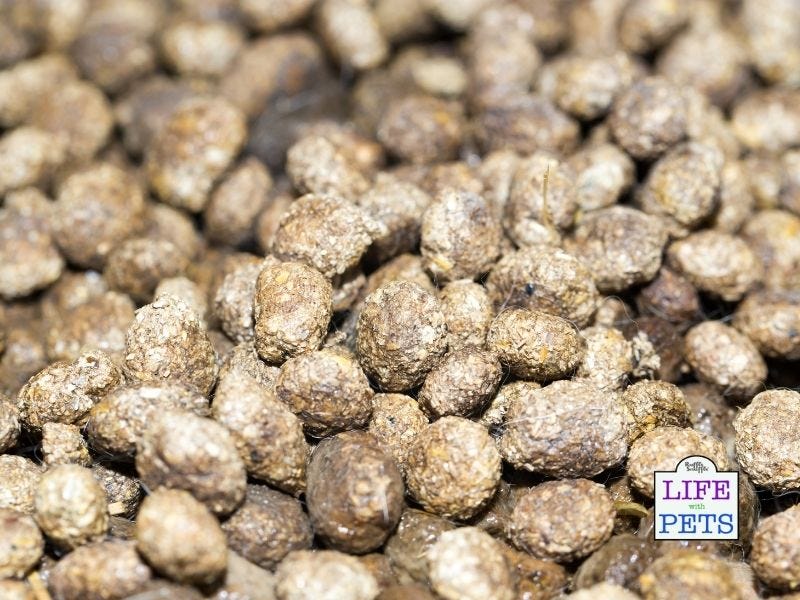
Bunny poo — © Ruffle Snuffle via Canva.com

This post may contain affiliate links from which I will earn a small commission at no cost to you if you make a purchase from one of my links.

Here’s How I Turned My Bunny’s Poo Into Profit …

Worms love to eat bunny poo, and in return, they leave behind an amazing fertilizer known as vermicompost. Not only is this stuff great for your garden, but it can also be sold for a tasty profit, along with the worms themselves.

What’s even better as once you’ve set it up it doesn’t require much work and only takes 3–5 months to start earning cash.

Ready?

Start gathering up all those rabbit droppings and put them to good use! Here’s how to do it:

What you’ll need: the equipment list

You really don’t need much to get started:

A container with a lid

The important thing is that the container has plenty of ventilation and is large enough to accommodate your worms as they multiply. 24″ X 18″ X 8″ is a great starter size. And the box should be shallow rather than deep, as red wigglers are surface-dwellers and prefer to live in the top 6″ of the soil.

I love this wormery kit from Amazon:

Bedding

Something to cover the bottom of your container. This can be newspaper, cardboard, or even straw. The bedding should be moist but not wet, and it should provide plenty of surface area for the worms to burrow through.

Kitchen scraps

Worms will eat just about anything organic, including raw fruit and vegetable scraps, coffee grounds, and eggshells. Avoid meat, bones, oily foods, and dairy products. And do not use orange rinds and other citrus fruits, which are too acidic, and can attract fruit flies.

Worms!

You should use red worms or red wigglers in the worm bin. The scientific name for the two commonly used red worms are Eisenia foetida and Lumbricus rubellus. You can order these online or If you know someone with a worm farm, they may be able to give you some of their worms to get you going.

Worms will leave for about a year in a worm farm. If a worm dies you’ll almost certainly not notice. A worm’s body is approximately 90% water so it will shrink and become part of the compost soon after its death. New worms are born all the time, so the cycle will continue providing you take care of them.

How to make the worm farm

Once you have all of your supplies, simply layer the materials in your container and add your worms.

  1. To get started, rinse your container.
  2. Line the bottom of the container with the moistened newspaper.
  3. Then add a layer of soil, followed by a layer of worms.
  4. Continue to alternate between layers of newspaper and soil until the container is full.
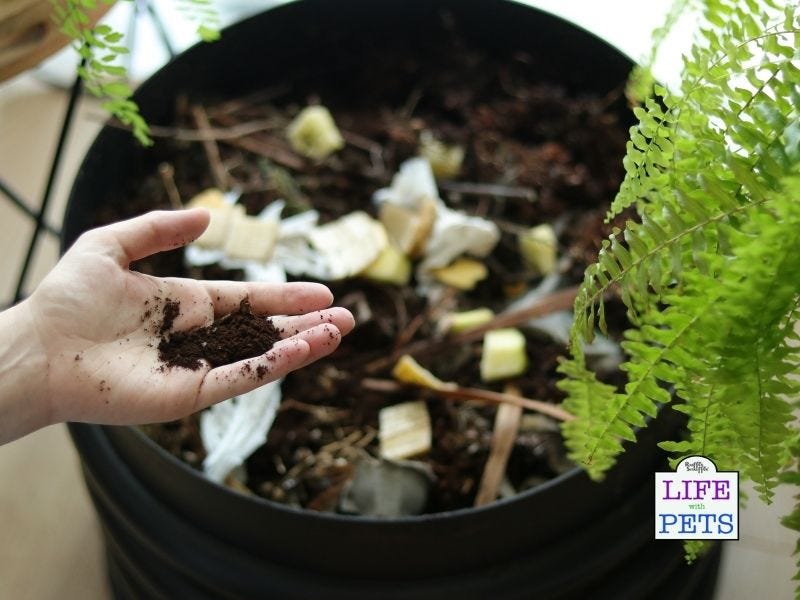
Add soil — © Ruffle Snuffle via Canva.com
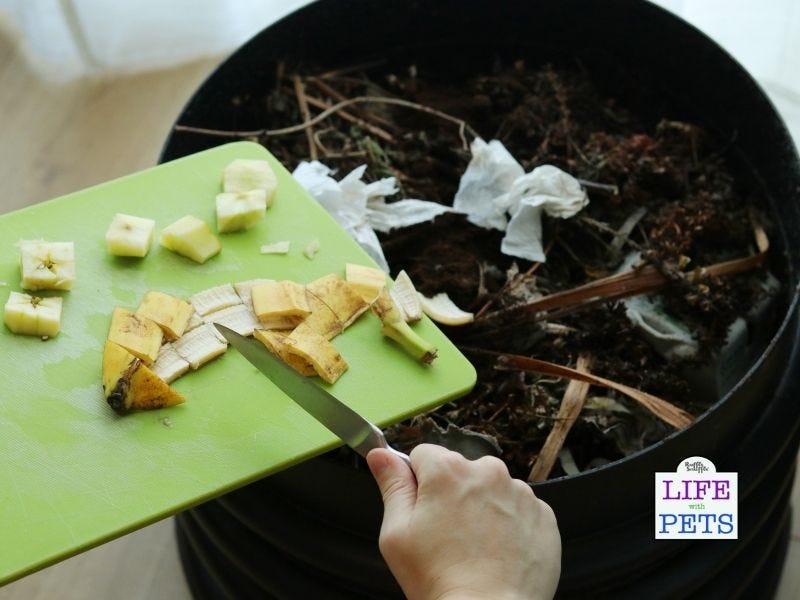
Add kitchen scraps — © Ruffle Snuffle via Canva.com
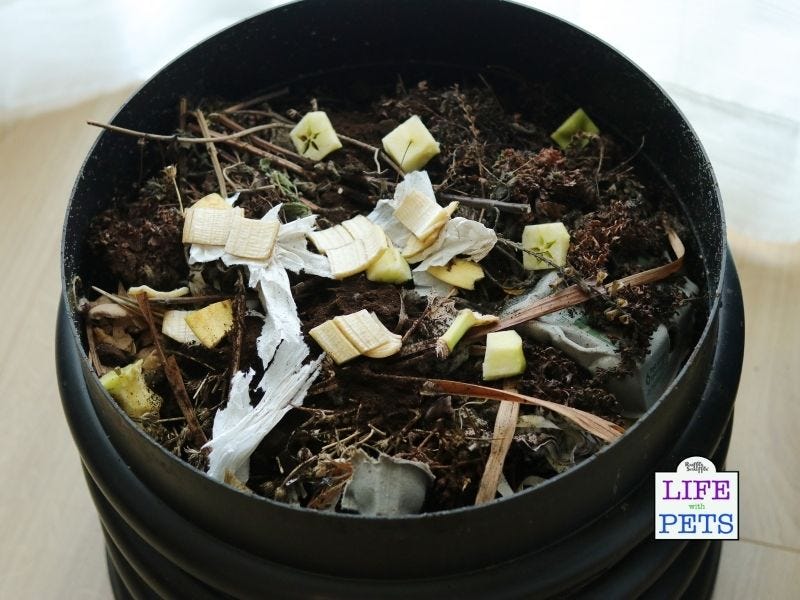
Looking good— © Ruffle Snuffle via Canva.com
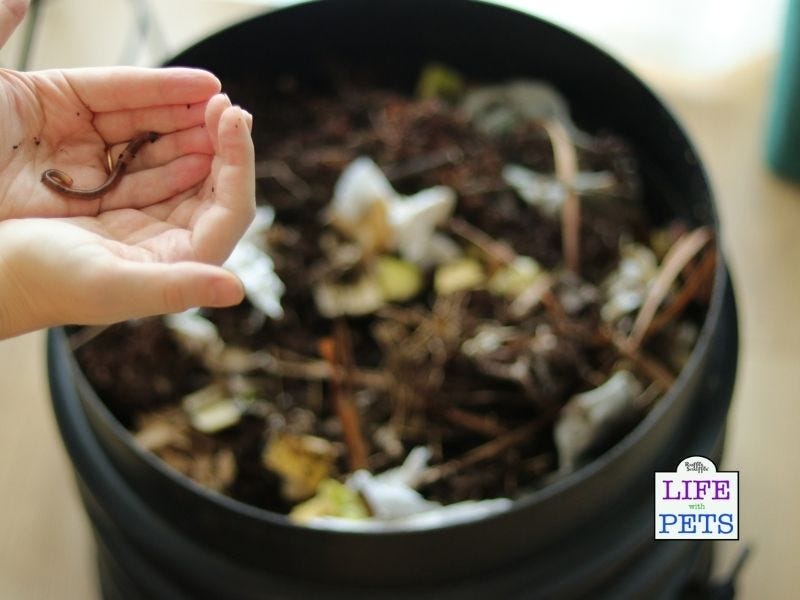
Add worms! — © Ruffle Snuffle via Canva.com

Make sure to keep the worms well fed with your bunny poo as well as other organic matter, and keep the farm moist but not wet. With just a little care, you can create a healthy environment for your worms that will produce nutrient-rich compost for your plants.

Caring for your worm farm

A worm farm is a great way to compost your kitchen scraps, and it’s also a fun and educational pet for kids. But like any pet, worms need a little care and attention to stay healthy. Here are some tips for keeping your worm farm happy and productive:

First, your worms need a dark, moist environment — too much light or air will dry them out, and too much water will drown them. Choose a location that is out of direct sunlight and sheltered from the wind. The ideal temperature for a worm farm is between 55 and 77 degrees Fahrenheit.

Second, they need something to eat daily as well as your rabbit droppings. Give them a mix of green (fruit and veg scraps) and brown (eggshells, shredded paper) materials.

Finally, you’ll need to aerate the worm farm regularly to keep the compost from getting too compacted. Just use your hands to mix it up once a week.

Harvesting your worms and compost

Harvesting means removing the finished compost and some worms from the bin to use or sell.

If you take care of your worms and provide them with a clean, safe home, they will consume your bunny poop and produce compost. Over time, you will begin to notice less bedding and more compost in your bin.

After 3–5 months, when the bin is full of compost (but little bedding), it’s time to get your worms out and sell them.

Do not add fresh produce to the bin for two weeks before harvesting. Then do the following

To get the compost:

  • Push the container contents to one side. This should be easy as there will be plenty of space. Remove any large pieces of undecomposed food or paper material. Place fresh bedding and food scraps in the empty side of the worm farm container. And carry on with feeding them only on the freshly bedded half.
  • Over the next two to three weeks, the worms will migrate to the new side (where the food is), leaving their compost in one pile for you to collect. When this has happened, remove the compost and replace it with fresh bedding. To speed this up, only cover the fresh side of the container as this will cause the old side to try out and the worms will want to move quicker!
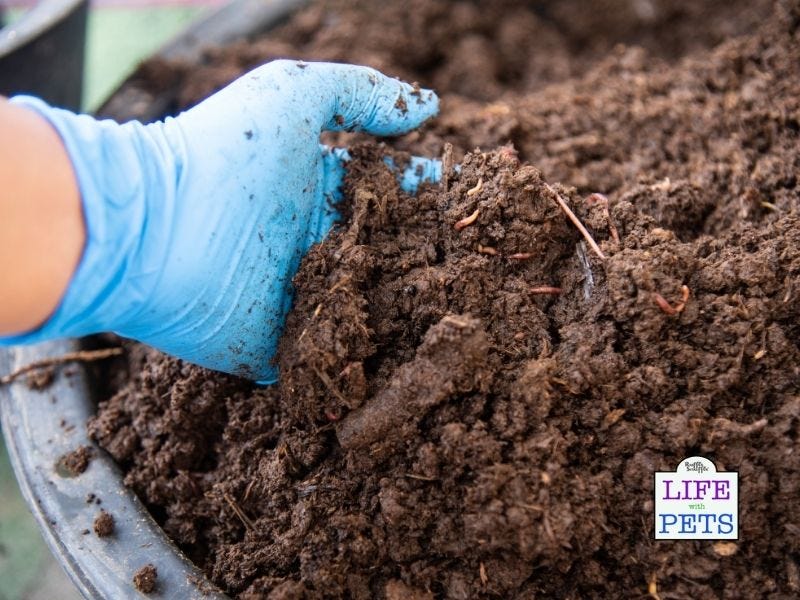
Compost— © Ruffle Snuffle via Canva.com

To get your worms:

Remove the undecomposed food and paper materials. Leave the contents to dry out for a few minutes (yes, do not attempt this in the rain!). The worms will scurry to the bottom of the pile away from the light and dry to the nice dark moist areas.

You can expect to get about $20 for a pound of healthy worms in the US. Vermicost sells for about the same, $25 per 30lb bag. In the UK, 250g of worms sell for £16. 20L of vermicompost sells for £25.

Lift off a layer of dry compost and bag it up for sale. Keep lifting off layers as it dries until you can scoop up your worms.
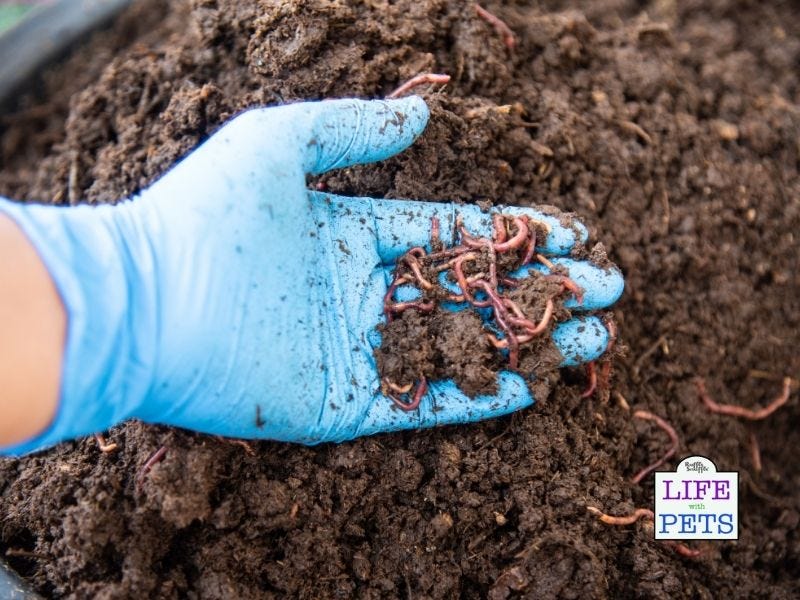
Worms! — © Ruffle Snuffle via Canva.com

How much do worms and compost sell for?

Ah, the all important money question…..

You can expect to get about $20 for a pound of healthy worms in the US. Vermicost sells for about the same, $25 per 30lb bag.

In the UK, 250g of worms sell for £16. 20L of vermicompost sells for £25.

Vermicompost is worth its weight in gold — gardeners love it! You can easily sell a wheelbarrow full for $30 or more in your local area.

Worms are used as bait so try selling these on Facebook, eBay or to your local fishing tackle shop.

The benefits of having a worm farm

Worms are nature’s recyclers. They help to decompose organic matter, aerate the soil, and provide a food source for other animals. In return, they need a dark, moist environment with plenty of food. A worm farm is the perfect way to provide them with everything they need and make a few $$ in return.

Plus, it’s a great way to recycle your bunny poo and reduce your kitchen waste. And you don’t need a lot of space — even a small balcony or patio can accommodate a worm farm.

Hope you have fun with your bunny poo worm farm!

Sarah-Jane

Originally published at https://www.rufflesnuffle.co.uk on May 30, 2022.

Side Hustle
Income
Business
Rabbits
Recycling
Recommended from ReadMedium