
The Last Trials of Nazi War Crimes
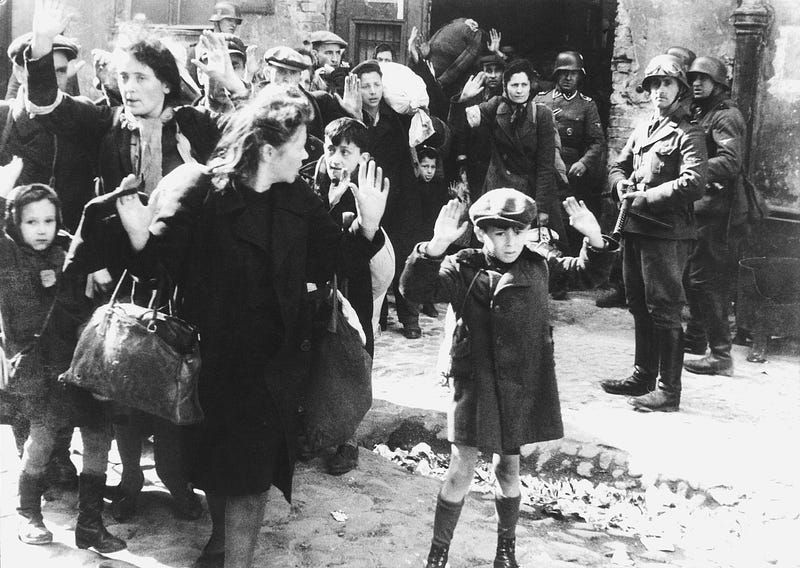
Over 75 years ago marked the end of the Holocaust. For decades, camp survivors from all walks of life and those persecuted for race and religion recounted dozens of horror stories to younger generations.
In America, nearly every school requires that students read the Diary of Anne Frank. The book is an autobiography by Anne Frank that details the period in which Anne Frank and her family hid from the Nazis during the Holocaust.
Alfred Hitchcock’s shelved Memory of the Camps, which Hitchcock so cleverly shot under the guise of spotlighting a “brilliant” Nazi system, aired almost thirty years ago. The documentary delivered chilling images of slavery, starvation, and torture. It is deemed as being one of Hitchcock’s boldest exposés.
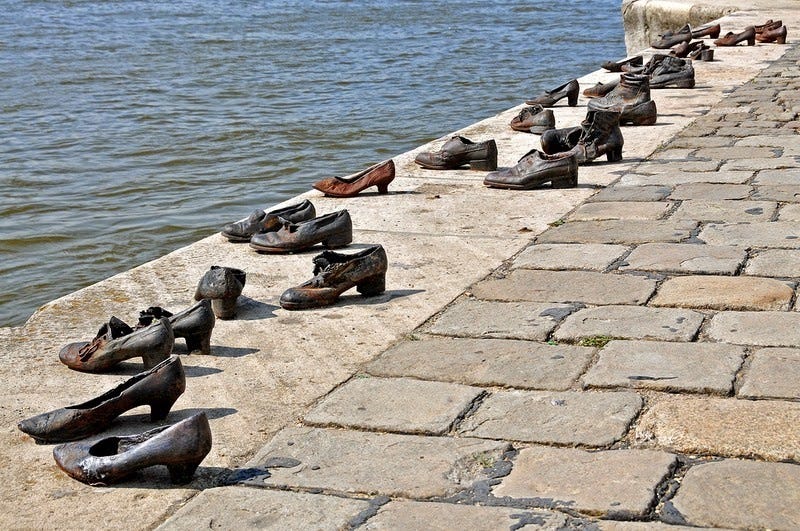
On the streets of Budapest, the sides of bullet-ridden and charred buildings leftover from Hitler’s invasion of Hungary still stand. The Hungarians have left these buildings erected in an effort to remind the world of its ugly history. Along the Danube river in Budapest, sculptor Gyula Pauer erected the Shoes on the Danube Bank memorial. The memorial features a series of some 300 bronze shoes belonging to the 20,000 Jews who were executed along the bank of the Danube river. This genocide was said to be mildest of executions.
Over the last seven decades, very few officers from Hitler’s regime have met their trial.
As a Hungarian police officer in the city of Kosice (now in Slovakia, but then occupied by Hungary) in 1944, Laszlo Csatary (5 March 1915–10 August 2013) allegedly organized the deportations of more than 15,000 Jews to Auschwitz. A Czechoslovak court convicted Csatary in absentia and sentenced him to death in 1948. He fled to Canada, where he worked as an art dealer until 1997. After Canadian authorities discovered he had lied on his passport application and revoked his citizenship, Csatary disappeared for another decade, until he was arrested in Budapest in 2012. Named by the Simon Wiesenthal Center (a Jewish human rights organization known for its determined hunting of former Nazis) as its “most wanted” suspect in 2011, the 98-year-old Csatary died while awaiting trial under house arrest in 2013.
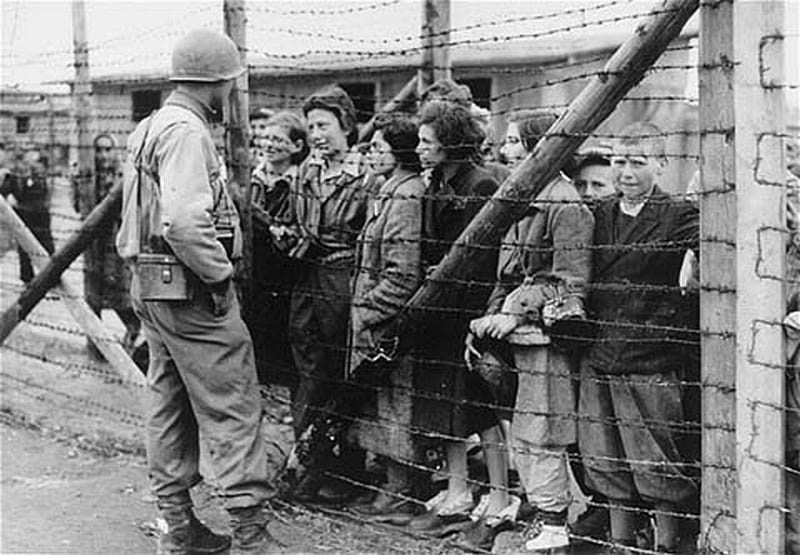
In 2015, in a courtroom in the German city of Lueneburg, a frail blue-eyed 94-year-old former sergeant, Oskar Gröning (10 June 1921–9 March 2018), who served at the Nazi-occupied Polish death camp, Auschwitz, was convicted of 300,000 counts of accessory to murder related to a four-month period he served in 1944. He was party to taking in hundreds of thousands of Jews from Hungary, stripping them of their personal belongings and money and then sending most to gas chambers to meet their death.
Just months before his death, on June 17, 2016, a German Court found Reinhold Hanning (28 December 1921–30 May 2017), guilty for aiding and abetting in the murder of more than 170,000 people, as he was aware of the crimes committed in Auschwitz. He was sentenced to five years in prison. Hanning was allegedly present at the death camp during what became known as the “Hungary Operation”, the period from May to June 1944 when over 430,000 Hungarian Jews were deported to Auschwitz and over 300,000 were gassed on arrival. The operation consisted of separating those able to work from the others (mainly elderly, sick, pregnant women and children), and sending the latter immediately to the gas chambers to be killed.
These are some of the last of the trials of Nazi War Criminals. There remain about a half dozen former officers of the Nazi regime who are still living. All are in their 90s and probably will not face their punishment at least here and now.
Most people represented in younger generations of today are so self-absorbed that they don’t even care to learn of the holocaust or any piece of history that tells the stories of the countless groups of people throughout history that met their death through genocide or survived torture and slavery. Knowing these pieces of history provide essential lessons in building character, compassion, selflessness, and inner-strength. It allows us to understand our past, which in turn allows us to understand our present. It gives us insight into our cultures of origin as well as cultures with which we might be less familiar, thereby increasing cross-cultural awareness and understanding.
© Gena Vazquez 2020