
A CONVERSATION
The last leaf
Blood-stained petticoats often cry blood tears
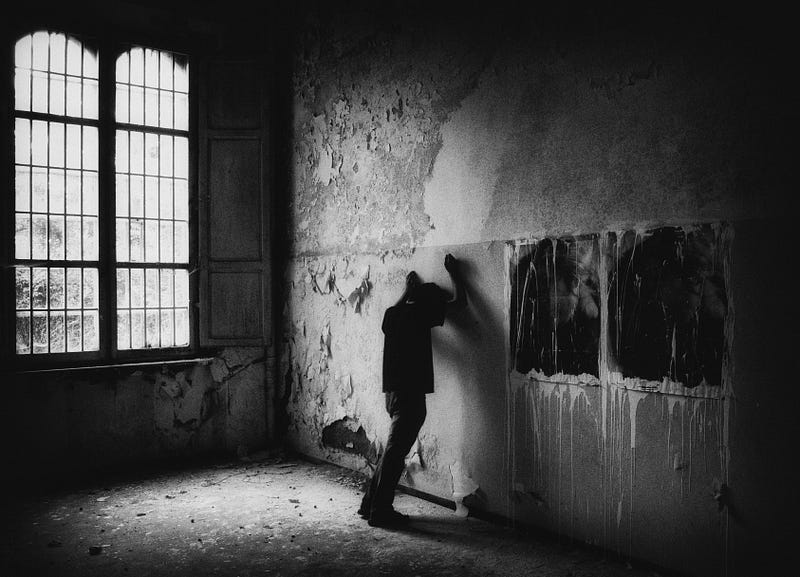
Kumbha: It’s windy today, I am feeling the breeze.
Kareem: You always feel it more than I do.
Kumbha: You ain’t going to the construction site today?
Kareem: Took a day off, the dry cement is eating off my legs and finger gaps.
Kumbha: Water eats off my skin, I have practically left washing my dishes on the night, skipping the cleaning part to the next day.
You know, Fatima did it for me.
Kareem: I still remember Savitri used to apply ointment on my feet on a strenuous day. When I was a mason, I had to carry bricks manually from the main road to the steep lanes, I would have scratches on my back. She used to apply marigold leaves to let the wounds heal. If it wasn’t for her, I do not know if I would have been able to go to work the next day.
Kumbha: When the demon comes, he eats away everything that comes on his path, right?
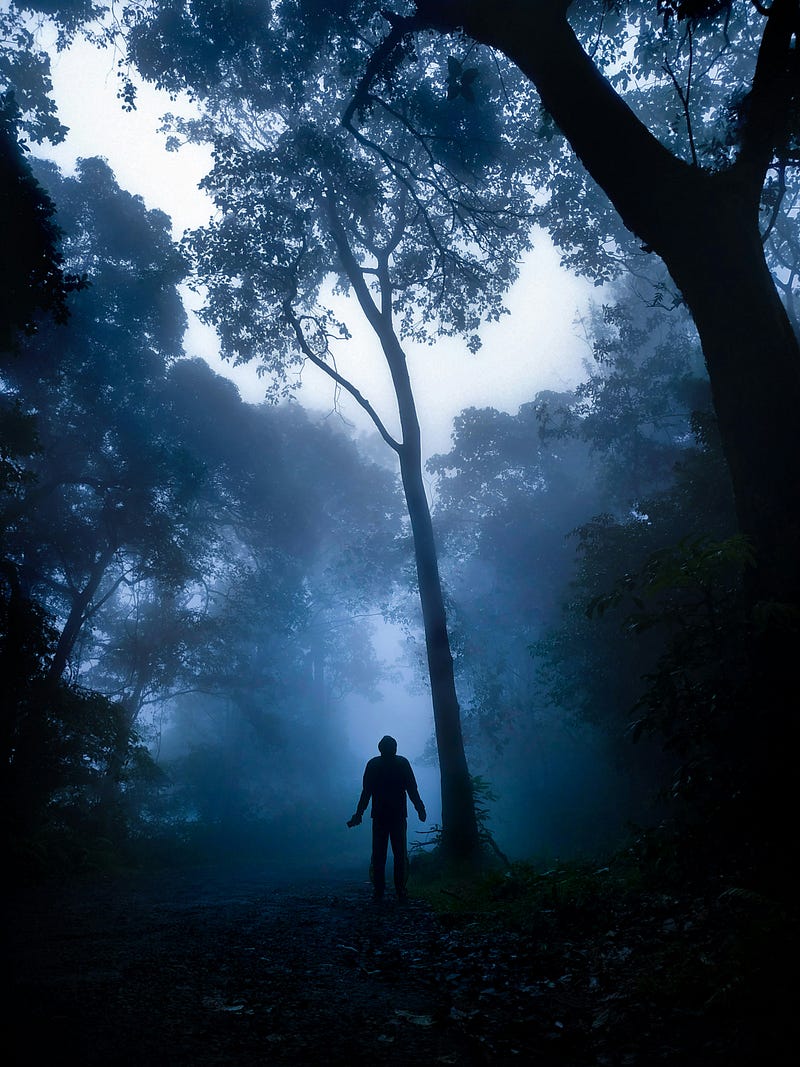
Kareem bites his teeth and takes a few leaves from the Chinar tree nearby and starts crushing them with his hands.
Kareem: The almighty betrayed me, in the holy month of Ramzaan she was taken away from me.
Kumbha: Fatima offered her prayers that day yet she suffered the consequences.
Kumbha pauses for a moment before saying….
“As we all have, we all are the same: poor, uneducated, illiterate, economically inferior, we are on the receiving end of the class divide. The mob that the abuser uses; the first agents of mind washing, gaslighting, and manipulation; our egos are made fragile, and our imaginations deviously are forced to center on our fears. I wouldn’t have done it if it wasn’t for the community.”
Kareem closes his eyes and says “Mama said the Budshikan (idol destroyer) is the warrior. The Budshikan dismembers the iconoclasm and idol makers. But knowing his filthy mind, I wed Savitri knowing the consequences. We all came in that day, you and me, and our wives were left with bloodied Petticoats, and we became silent spectators and killers that day.”
Kumbha looks at Kareem and wraps his hand around his neck and smells the remaining leaves while tears pour out of their eyes.

Cosmic Context: Kareem and Kumbha both belonging to separate communities and religions have survived a PTSD episode of killing each other’s wives in a fit of rage during heightened communal cash. They were both part of a mob-based execution. They have come to terms with the evil deeds they have committed and always come on the death anniversary of their wives and reflect not only on the love they had for their wives but also introspect on the subtleties of riots, how only the poor are used to carry weapons, pushed as foot soldiers; while the leaders sit and use the poor people as pawns to fulfill their political ambitions. The tree of Chinar was the spot where the harrowing events took place and the leaves give them a memory of horror and remorse that could never be uprooted out of the cores of the brain. But they still come as they want them to suffer, the only way they think they could have some peace from the guilt they feel every second of every hour.
Hello everyone! Hope you all are doing alright. The Medium Partner Programme will take some time to launch in my demographic. If you can and are willing to, do consider sending me a tip; any amount is appreciated; it just helps me keep my motivation intact to write better, think better, and form ideas better. You can also support me by buying me a book out here. Irrespective of the assistance, Thanks regardless for reading my piece!
Thanks a lot for taking some precious time out of your schedule to read my work. If you like it, you can read some of the other writeups I have linked below. You can also subscribe to my newsletter in case you want updates on my new posts. I hope you have a great day! Thanks for stopping by!!!


