The Last Days Of Princess Diana And Why Millions Of People Do Not Believe The Official Explaination That She Died In A Car Accident But Instead Was Murdered To Protect The Image And Reputation Of The Royal Family?

The death of Princess Diana, often referred to as the “People’s Princess,” remains a subject of intense speculation and conspiracy theories for many people around the world. While the official explanation provided by authorities is that she died in a tragic car accident in Paris on August 31, 1997, there are several reasons why some individuals continue to doubt this explanation and believe that she was murdered to protect the image and reputation of the Royal Family. Here are some of the key factors contributing to this skepticism:
- Circumstances Surrounding the Crash: Many people find it suspicious that Princess Diana’s car crashed in a tunnel in Paris while being pursued by paparazzi photographers. Some believe that the photographers’ aggressive pursuit may have contributed to the crash or that they were somehow involved in a conspiracy to harm Diana or the crash was deliberately caused by secret services or/and the SAS?
- Allegations of Conspiracy: Numerous conspiracy theories have emerged over the years, suggesting that Princess Diana was deliberately murdered by individuals or organizations seeking to silence her due to her outspoken nature and her controversial relationship with the approval of high ranking members of the Royal Family?
- Diana’s Concerns for Her Safety: Before her death, Princess Diana reportedly expressed concerns about her safety and believed that there were people who wanted to harm her. She allegedly told friends that she feared her life was in danger and that she was being monitored or followed. Also that her husband Charles was planning for her to be severely injured or killed in a car accident such as brake failure?
- Lack of Transparency: Some critics argue that there has been a lack of transparency and accountability in the investigation into Princess Diana’s death. They believe that key details may have been withheld or manipulated to protect powerful interests.
- Official Inquiries and Investigations: Despite several official inquiries and investigations, including the French investigation led by Judge Hervé Stephan and the British inquest led by Lord Justice Scott Baker, some people remain unconvinced by the findings and conclusions reached by these authorities simply because they don’t appear to add up?
- Conspiracy Culture and Distrust of Institutions: The proliferation of conspiracy theories and widespread distrust of institutions, including the government and the media, have contributed to skepticism surrounding Princess Diana’s death. Many people are inclined to believe in alternative explanations, regardless of the evidence presented which many believe are sometimes fabricated?
While these factors have fueled doubt and speculation surrounding Princess Diana’s death, it’s important to acknowledge that there is no conclusive evidence to support the conspiracy theories alleging murder? The official investigations have concluded that the crash was a tragic accident caused by excessive speed and driver impairment. However, for many, the questions and uncertainties surrounding Princess Diana’s death continue to linger, fueling ongoing speculation and debate.
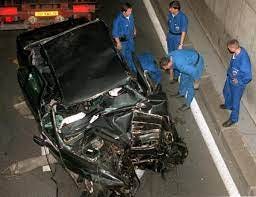
Many People Believe The Mercedes Car Had Been Tampered With And That The Blood Samples Taken From The Driver Henri Paul Was Switched With Someone Who Gassed Himself To Death In His Car By Routing The Exhaust Fumes Into His Car? Also Many Withesses Who’s Accounts Of What They Saw Were Either Not Allowed To Contribute To Subsequent Enquiries Or Locked Up By The French Police Including The Paparatzi?
These are among the various conspiracy theories that have circulated regarding Princess Diana’s death. Some individuals believe that the Mercedes car in which Diana was traveling had been tampered with to cause the fatal crash. This theory suggests that mechanical faults or sabotage may have been involved, leading to the loss of control of the vehicle.
Additionally, there are allegations that the blood samples taken from Henri Paul, the driver of the car, were tampered with or switched. Some conspiracy theorists claim that the blood samples were not from Henri Paul but from another individual who died from carbon monoxide poisoning by inhaling exhaust fumes in his car. They argue that this was done to cover up the true cause of the crash or to frame Henri Paul as being intoxicated at the time of the accident.
Furthermore, there have been claims that witnesses who could provide crucial information about the events leading up to the crash were either unwilling to contribute to subsequent inquiries or were silenced by authorities. This includes allegations that some paparazzi photographers who witnessed the crash scene were intimidated or detained by French police, preventing them from sharing their accounts of what happened.
These theories persist despite official investigations, including those conducted by French and British authorities, which concluded that the crash was a tragic accident caused by excessive speed and driver impairment. However, for those who remain skeptical of the official explanations, these theories continue to fuel speculation and distrust in the official narrative surrounding Princess Diana’s death.
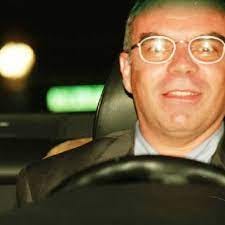
Surely If The Driver Was Drunk Then Why Was No Action Ever Taken Against Trevor Reece Jones The Bodyguard Whos Job Was To Protect Her? Why Did He First Say The Driver Was Not Drunk Then Later After A Visit From Men In Suits He Suddenly Changed His Story To Say He Has No Memory Of What Happened?
The actions and statements of Trevor Rees-Jones, the bodyguard who survived the crash, have also been subject to speculation and scrutiny in the aftermath of Princess Diana’s death. Rees-Jones was indeed the sole survivor of the crash, but his injuries were severe, and he suffered from memory loss regarding the events leading up to the accident which he still suffers from?
Initially, Trevor Rees-Jones stated that Henri Paul, the driver of the car, did not appear to be drunk on the night of the crash. However, it’s important to note that Rees-Jones suffered significant head injuries in the crash, which affected his memory and ability to recall details accurately.
Regarding the claim that Rees-Jones later changed his story after a visit from unidentified individuals, this is often cited in conspiracy theories surrounding Princess Diana’s death. However, there is no concrete evidence to support such claims. It’s crucial to approach these allegations with skepticism, as they rely on speculation and conjecture rather than factual evidence.
Furthermore, no action was taken against Trevor Rees-Jones because there was no evidence to suggest that he had any involvement in causing the crash. He was a member of Princess Diana’s security detail and was seated in the front passenger seat at the time of the accident. His primary responsibility was to protect Princess Diana and her companions, not to control or influence the actions of the driver. But he failed in that responsibility?
Ultimately, while Trevor Rees-Jones’s testimony and actions have been scrutinized by some, there is no conclusive evidence to support the idea that he played a role or was pressured into any potential cover-up or conspiracy surrounding Princess Diana’s death. The official investigations concluded that the crash was a tragic accident caused by excessive speed and driver impairment.
Maybe He Was Warned Of The Consequences Of Saying What Really Happened That He Too Could Be Killed And His Entire Family As Well?
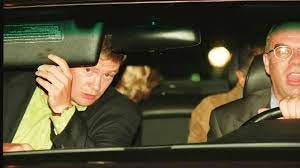
The idea that Trevor Rees-Jones was threatened or coerced into changing his testimony is a common speculation within certain conspiracy theories surrounding Princess Diana’s death. However, it’s important to distinguish between speculation and concrete evidence. While such theories can be intriguing, they often lack substantiated proof and rely on conjecture but then they would not leave evidence if that is what they did?
There is no verified evidence to suggest that Rees-Jones was threatened or coerced into altering his testimony. Furthermore, it’s essential to consider the context surrounding his injuries. Rees-Jones suffered severe head trauma in the crash, which resulted in memory loss and difficulty recalling the events leading up to the accident. This memory loss is a documented medical phenomenon known as post-traumatic amnesia, which can occur following traumatic brain injuries.
While it’s understandable that people may speculate about potential threats or coercion given the high-profile nature of the case and the intense scrutiny surrounding it, it’s essential to approach such claims with skepticism and to rely on verified facts and evidence. The official investigations into Princess Diana’s death concluded that it was a tragic accident caused by excessive speed and driver impairment, and there is no conclusive evidence to support claims of foul play or conspiracy involving Trevor Rees-Jones.
Facts Are Often Covered Up And Misinformation Used Instead By Those In Authority?
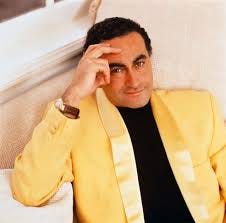
Dodi Al Fayad who was also killed that night.
It’s true that there have been instances where authorities have been accused of covering up facts or disseminating misinformation. Such occurrences can erode public trust and fuel skepticism, especially in high-profile cases like Princess Diana’s death. However, it’s crucial to distinguish between allegations and verified evidence.
While it’s possible for misinformation or cover-ups to occur, it’s also important to recognize the role of independent investigations, transparency, and accountability in uncovering the truth. In cases where there are doubts or suspicions, independent inquiries and rigorous scrutiny can help address concerns and provide clarity.
In the case of Princess Diana’s death, there have been multiple investigations conducted by both French and British authorities, involving extensive examinations of evidence, witness testimonies, and forensic analyses. While these investigations may not satisfy everyone, they represent a concerted effort by authorities to determine the facts surrounding the tragic accident.
Ultimately, while skepticism toward authority is understandable and healthy, it’s essential to rely on credible evidence and thorough investigation rather than unsubstantiated claims or speculation. Critical thinking and a commitment to truth-seeking are essential in navigating complex and contentious issues.
People Chosen To Conduct Investigations Are Often Given Directives On How To Conduct Them And The Outcome They Must Reach?
It’s true that the individuals tasked with conducting investigations may operate within certain parameters or guidelines established by their respective organizations or governments. These guidelines could include protocols for evidence collection, interviewing witnesses, and reaching conclusions. However, it’s important to note that conducting an investigation with a predetermined outcome undermines the integrity of the process and can erode public trust in the findings.
Ideally, investigations should be conducted with impartiality, transparency, and a commitment to uncovering the truth, regardless of where the evidence leads. Independence from external influences, such as political pressure or institutional agendas, is crucial for maintaining the integrity and credibility of an investigation.
While concerns about bias or interference in investigations are valid and should be taken seriously, it’s essential to distinguish between speculation and verified evidence. Allegations of predetermined outcomes or directives should be thoroughly investigated and addressed through independent oversight mechanisms to ensure accountability and uphold the principles of justice.
In the case of Princess Diana’s death, multiple investigations were conducted by French and British authorities, involving various experts and stakeholders. While some individuals may question the impartiality or thoroughness of these investigations, it’s important to recognize the efforts made to uncover the truth and address any concerns raised through transparent and accountable processes.
Stephen Vincent.


