
The Largest Scam in the U.S. History
How one man played with your money
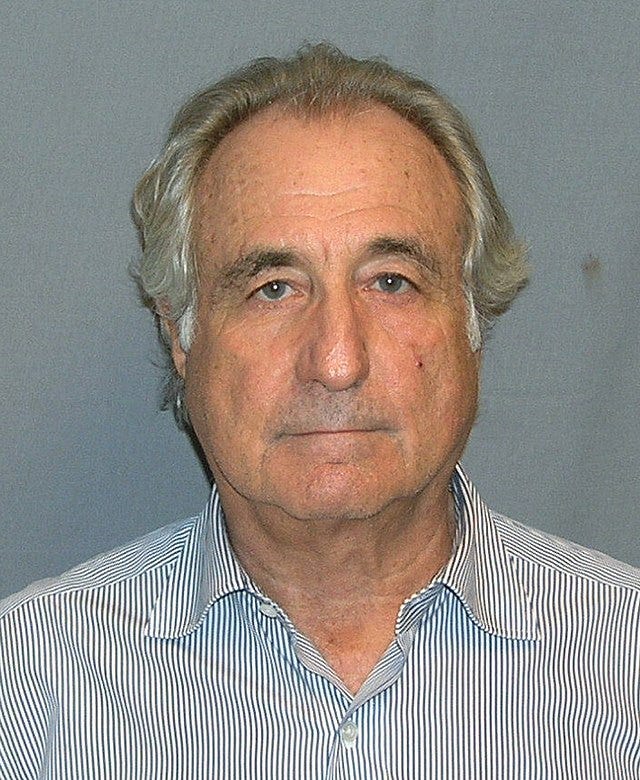

In the history of financial fraud, few cases have garnered as much attention and left a lasting impact as the Bernie Madoff Ponzi scheme. This elaborate scheme, orchestrated by financier Bernie Madoff, unfolded over several decades and resulted in the defrauding of thousands of investors, amassing billions of dollars in losses.
The Rise Of Bernie Madoff
His reputation and perceived expertise marked Bernard L. Madoff’s rise to prominence in the financial world. As the chairman of the NASDAQ and the founder of Bernard L. Madoff Investment Securities LLC, Madoff cultivated an image of success and trustworthiness.
He used his connections and charisma to attract high-profile clients, including wealthy individuals, celebrities, and charitable organizations.
Through his charm and credibility, Madoff gained the confidence of investors who believed they were entrusting their money to a skilled and reputable financial advisor.
Little did they know that behind this facade lay a massive Ponzi scheme that would later unravel and expose the depth of his deception
The Mechanics Of The Ponzi Scheme
A carefully crafted web of deceit lay at the heart of Bernie Madoff’s Ponzi scheme. Operating under the guise of a legitimate investment strategy, Madoff promised investors consistent and attractive investment returns.
He claimed to achieve these returns through market analysis and complex trading techniques. However, instead of investing the funds as promised, Madoff diverted the money to sustain the illusion of profitability.
In reality, Madoff used new investors’ funds to pay off earlier investors, a characteristic feature of a Ponzi scheme. This created a false sense of security and perpetuated the cycle of deceit.
By providing regular returns to existing investors, Madoff fueled the belief that their investments were thriving and encouraged them to bring in new investors, further expanding the scheme.
To maintain the illusion, Madoff created falsified account statements, generating fictional profits and concealing the absence of actual investments.
He even hired a separate arm of his firm solely responsible for generating fraudulent reports and records. This meticulous attention to detail and manipulation of financial documentation helped Madoff maintain the charade for an extended period.
The Ponzi scheme’s structure relied on an ever-increasing influx of new investor funds to sustain the illusion of success and payout returns to earlier investors. As long as new money kept flowing in, the scheme appeared viable.
However, when economic downturns or investor withdrawal requests strain the operation, the true nature of Madoff’s fraudulent scheme was exposed.
It was not until the financial crisis of 2008, when many investors sought to withdraw their funds, that Madoff’s elaborate deception began to unravel.
With mounting pressure and an inability to meet redemption demands, Madoff confessed to his sons, who reported him to the authorities. This led to the ultimate exposure of one of the largest financial scams in U.S. history.
The Aftermath And Ripple Effects:

The fallout from the Madoff scandal was far-reaching. The losses amounted to an estimated $65 billion, making it one of the largest financial frauds in history. Countless individuals, charities, and institutional investors were affected, many losing their life savings or sustaining severe financial setbacks.
The exposed weaknesses in regulatory oversight and due diligence prompted a wave of reforms in the financial industry. \
The Securities and Exchange Commission (SEC) faced criticism for failing to detect the scheme despite receiving multiple warnings over the years. This prompted a reassessment of regulatory practices and led to stricter oversight measures.
The Bernie Madoff Ponzi scheme is a cautionary tale for investors and regulators alike. It shattered investors’ trust and highlighted the need for increased transparency, accountability, and investor protection.
The Securities Investor Protection Corporation which was established to provide limited protection to investors in the case of fraudulent activities, aiming to restore some confidence in the financial markets.
The Bernie Madoff Ponzi scheme stands as a landmark case in the history of financial fraud in the United States.
It exposed the vulnerability of investors to sophisticated scams and revealed the shortcomings of regulatory systems.
The profound impact of the Madoff scandal continues to resonate, reminding us of the importance of vigilance, due diligence, and strong regulatory frameworks in safeguarding the integrity of the financial system.
I am Hamza Shafiq. I write about facts, poems, history, and entertainment follow and subscribe so you can get the best experience of writing
Follow my referral link for more interesting stories tips and more