
The Largest Chemical Weapons Attack On Civilians
We always talk about world wars, but why not recent events? Or they are not our people.
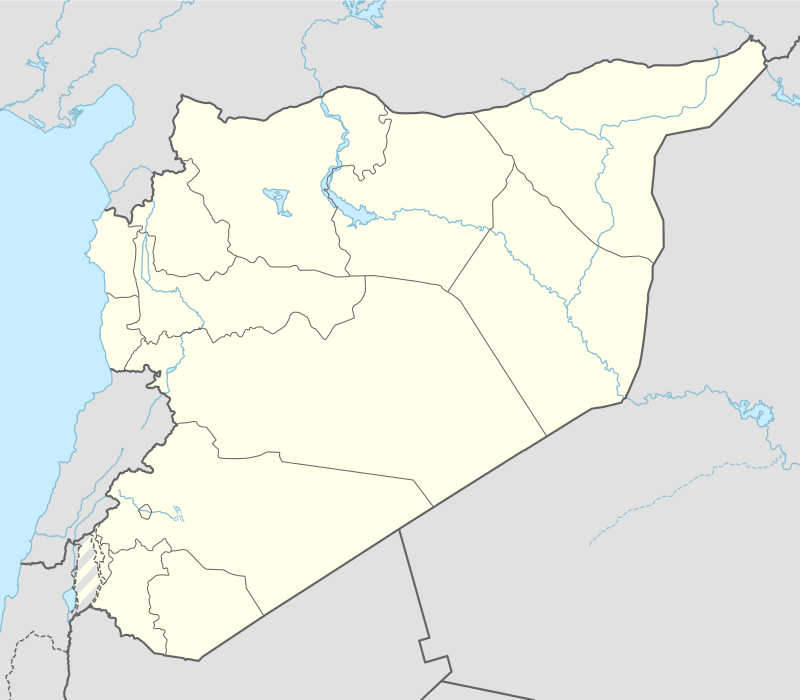
Chemical weapons attacks are horrifying events that can cause immense suffering. One of the largest chemical weapons attacks on civilians occurred in Syria in August 2013. Let’s break down what happened and why it was so significant.
The Attack
On August 21, 2013, a chemical mass weapons attack occurred in the suburbs of Damascus, the capital of Syria. The attack occurred in areas held by opposition forces fighting against the Syrian government. Thousands of people were affected, with many experiencing symptoms like difficulty breathing, foaming at the mouth, and convulsions. Sadly, many lost their lives, including children.
Chemical Weapons Used
The chemical weapon used in this attack was sarin gas. Sarin is a deadly nerve agent that disrupts the normal functioning of the nervous system. It can kill within minutes if not treated promptly. Sarin is colorless, tasteless, and odorless, making it even more dangerous.
The Impact on Civilians
The attack had a devastating impact on civilians. Images and reports from the scene showed people, including children, struggling to breathe and writhing in pain. Hospitals were overwhelmed with patients, and medical professionals worked tirelessly to save lives. Families were torn apart, and communities were left in shock and grief.
International Outcry
The August 2013 chemical weapons attack drew worldwide condemnation. Using chemical weapons on civilians violates international law, and many countries, including the United States and its allies, expressed outrage. The international community called for a brief investigation to determine who was responsible.
Accusations and Denials
The Syrian government, led by Bashar al-Assad, and opposition groups blamed each other for carrying out the attack. The Syrian government initially denied any involvement and blamed rebel forces. However, evidence suggested otherwise, and international organizations and experts conducted investigations.
Response and Diplomacy
In the wake of the attack, there was a push for a diplomatic solution to the Syrian conflict. The United States and Russia brokered a deal in which Syria agreed to destroy its chemical weapons plants and join the Chemical Weapons Convention. This international treaty prohibits the use and production of chemical weapons.
The 2013 chemical weapons attack in Syria reminds us of the devastating impact of such weapons on civilians. It highlighted the need for strong international action to prevent the use of chemical weapons and hold those responsible accountable. While some progress was made in disarmament, the Syrian conflict continued, causing further suffering for the people of Syria.
This chemical weapons attack on civilians in Syria in August 2013 was tragic and shocking. Sarin gas, a brutal, deadly nerve agent, was used, leading to a significant loss of life and international condemnation. It underscored the importance of upholding international laws against the use of chemical weapons and seeking peaceful solutions to conflicts that protect innocent civilians. The legacy of this attack serves as a reminder of the urgent need for a world without such devastating weapons.
Who was responsible? Who do we need to blame? Why do we need to get into the depth of these issues? There are dozens of cases, but we are silent. Remember, it’s about humanity. It’s about us.
I am Hamza Shafiq. I write about facts, poems, history, and entertainment follow and subscribe so you can get the best experience of writing