
The Kiwi is Not Just a Fruit!
Facts and funnies about the bird and the people of New Zealand
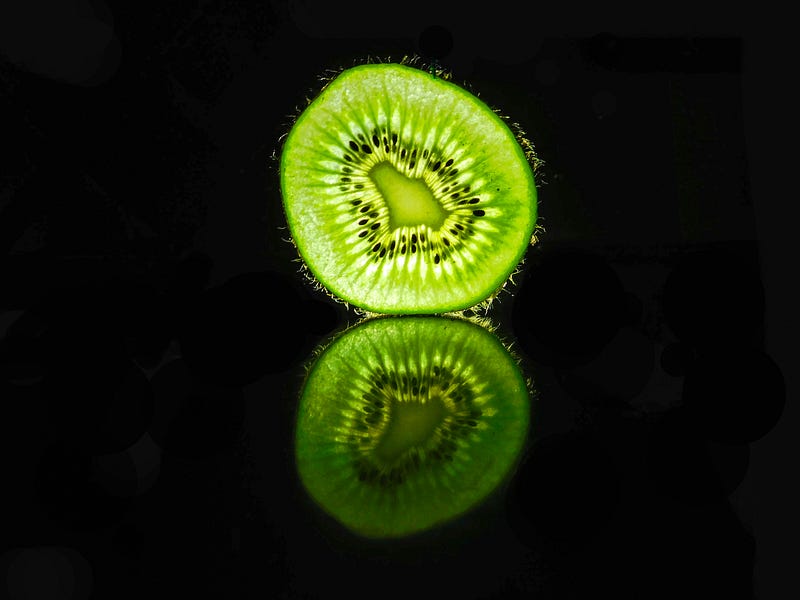
If you haven’t tasted these potassium-rich, fiber-filled fruit you are missing out on a treat! (The skin can be eaten too although it is not as palatable.) Their name ‘Kiwi’ is synonymous with that enviable Covid-free country deep in the south pacific where I was lucky to have been born.
Now ensconced in Canada, I have discovered, over time, that many of you haven’t the foggiest idea that a kiwi is actually a beautiful bird unique to New Zealand. Or that we are nicknamed kiwis’ not because we are fuzzy and green, but because of our spirit and grounded attributes, similar to the bird.
For the record, the kiwi(fruit) is not actually native to New Zealand despite having a name that insinuates it is. The association with the country was promoted after seeds were imported from China in the early 1900s and New Zealand became one of the major worldwide exporters of it, fifty years later.
These days, if you want to purchase an authentic New Zealand-grown kiwi, they are branded as ‘Zespri’ to distinguish them from other cultivators.
The kiwi bird, however, is distinctly down-under home-grown. They are part of the ratite family because of their inability to fly. The bird is quite remarkable in how they have adapted to their flightlessness.
They are nocturnal because their food often surfaces closer to the ground in the dark and their eyes too small to be of much use. Their breastbone is underdeveloped and not muscular enough to support flight. But boy can they move.
In fact, they have powerful, short legs that run as fast as a human being if need be. They have terribly sharp claws and a feisty temper that serves them well to fight off predators such as dogs, cats, stoats, and ferrets (furry creatures from the weasel family.)
Unfortunately, the kiwi population is in serious trouble because of these predators. 100 years ago, there were millions of these birds in New Zealand; now there are less than 68000 and the numbers are declining by 2% every year.
The urban sprawl and deforestation have decimated their habitats and sadly contributed to their demise, despite their ability to produce over 100 eggs in a lifetime. Thankfully there are community and government-funded efforts in progress to help save the kiwis.
There are five species of the bird, all slightly geographically and genetically different. Some prefer habitats in higher altitudes; some in the north, others in the south of the Islands. Certain species are bigger while others are smaller, but generally, they are roughly the size of a domestic chicken.
The combination of their feistiness and their mating processes has been flippantly likened to the behaviour of a typical kiwi bloke. The male persistently follows the female about until mating occurs. If she is disinterested, she runs away.
Remarkably, once bonded as a pair, they often stay together as a monogamous couple for years. Take note, humans!
The kiwi egg is enormous compared to the size of the bird. In fact, it takes up 20% of the female’s body weight when she is carrying it for the 30 days it takes to mature. To put this into some perspective, a human fetus usually occupies 5% of its mothers’ weight at full term.
Once the female lays her egg, it is generally the male’s role to incubate the egg. After approximately 80 days, the chick pecks its way out of the shell in a process that can take up to three days.
They hatch fully feathered and independent within a few days. Initially, they eat the yolk of the egg to sustain themselves, seldom relying on the parents for any sustenance. Unfortunately, 90% of chicks do not survive their first six months because of predators, hence the New Zealand Department of Conservation’s efforts to monitor the females, remove the chicks and relocate them once more mature.
Before the kiwi existed, the Moa reigned. A large, also flightless bird resembling the Emu or Ostrich is now extinct, but it was originally the icon of New Zealand.
Back in 1908, England was broadsided with a 29–0 beating by the ‘boys in black’ our national rugby team still known as the ‘All Blacks.’ The passion for rugby down under can be compared to Americans and their obsession with football.
It has long been considered part of our culture and the All Blacks remain highly regarded internationally for their speed and skill on the field. A cartoon was published to celebrate this victorious win, depicting a kiwi charging the British lion with its long beak and the lion in a daze, hand over his eye in disbelief. From then on, the kiwi became a symbol of New Zealand.
Another example of how the birds’ antics describe why New Zealanders are referred to as kiwis relates back to World War 1. A Scotsman living in Melbourne, Australia, developed a shoe-shine product that preserved, softened, and water-proofed boots. He named it Kiwi to honour his New Zealand-born wife.
It was so popular that during the war, British and American soldiers used it and started referring to their New Zealand comrades as Kiwis. As many of our men were country boys and familiar with the reputation of the bird, they quite liked the association with the typical New Zealand male.
“Eats roots and leaves.” The kiwi birds’ diet. This sentence however is often used to stress the importance of proper grammar. In particular how the placement of a comma can change the meaning of a sentence.
When used to describe the kiwi bird the sentence describes the bird perfectly. They use their long beaks that have nostrils at the end of them to sniff through the forest floor for grubs and worms. However, if you place the comma after the first word, it is humorously used to describe the kiwi male and the offensive slang meaning of ‘root.’
If you ever have the time (and money) to go to New Zealand, the chances of seeing a kiwi in the wild are slim, particularly because of their nocturnal habits. There are, however, many sanctuaries that house the birds in captivity for breeding and re-release that are open for the public to visit.
You will see the emblem everywhere, from clothing and souvenirs to the national airline’s ‘Kiwi Pete’ character, a marketing strategy to entice travellers to fly on Air New Zealand and explore the wonderful scenic paradise.
One of my favourite feel-good, animal-loving websites is The Dodo. In 2014, they published a great little article on why Kiwis are the most amazing birds. These facts perhaps speak the loudest as to why we are proud to be likened to the species and a perfect summary of these wonderful birds.
They have superhero moms. They’re a steady goer. They’re astute sniffers. They’re grounded. They’re not pushovers
So, the next time you are about to dive into a kiwi, think of the folks down under, the stereotypical kiwi male, feisty birds, and shoe polish!
For the Kiwi is certainly not just fruit.