avatarJoel Eisenberg

Free AI web copilot to create summaries, insights and extended knowledge, download it at here

3555

Abstract

found Darth Vader to be the most interesting character. During the 1980’s heyday of the then-WWF (World Wrestling Federation, now WWE), I always cheered for Rowdy Roddy Piper over perennial hero Hulk Hogan.</p><p id="25ba">With growth and sophistication, however, came judgement on a case by case basis.</p><p id="c765">I write about the death of George Reeves to point out the world has suffered the loss of entertainment heroes before, which for kids especially contributed to a certain unwelcome confusion and realization that life may be impermanent after all. If those we idolize can die, what about us? Make no mistake, George Reeves was immensely popular but “The Adventures of Superman” was in no way near the international icon that Boseman became due to his performance as the titular character in 2018’s top-grossing classic film<i>.</i></p><p id="cc10">Created by the legendary duo of Stan Lee and Jack Kirby, the Black Panther made his first appearance in 1966’s “Fantastic Four,” issue #52. Interviewed by “The Comics Journal” in 1990, Kirby said, “I came up with the Black Panther because I realized I had no Blacks in my strip…I had a lot of Black readers. My first friend was…Black! And here I was ignoring them because I was associating with everybody else.”</p><figure id="2b1b"><img src="https://cdn-images-1.readmedium.com/v2/resize:fit:800/1*F6CiVsbRV9c6uMxFwDlBrQ.jpeg"><figcaption></figcaption></figure><p id="ba7b">The explanation may be considered somewhat rough in today’s more sensitive times, but Kirby was honest. There were no black heroes in the Marvel universe.</p><p id="3265">The saga was expanded and refined by writer Don McGregor in 1972 in the pages of “Jungle Action,” along with pencilers Rich Buckler, Gil Kane, and Billy Graham. Together they devised a two-year saga for the character, which introduced his great rival for the kingship of Wakanda: Erik Killmonger.</p><figure id="82fe"><img src="https://cdn-images-1.readmedium.com/v2/resize:fit:800/1*Gkqd06aryqM7fU02J4deYA.jpeg"><figcaption></figcaption></figure><p id="a464">The film version of these characters was adapted in part not only from the “Jungle Action” saga, but those of other Black Panther writers and artists. The “Black Panther” feature earned an astounding 1,346,913,161 worldwide, with over 700,000,000 of that figure from domestic audiences.</p><p id="0705">Colon cancer took the star of “Black Panther,” Chadwick Boseman, from us on August 28, 2020.</p><p id="adbb">The <i>real</i> Black Panther was dead. For many children around the world, the tragedy resonated like nothing they’ve experienced before.</p><p id="ccdc">Over the next few days, they posted tributes …</p><figure id="c898"><img src="https://cdn-images-1.readmedium.com/v2/resize:fit:800/1*a5ayU8dBIwuJEzowQOzDiA.jpeg"><figcaption></figcaption></figure><figure id="2396"><img src="https://cdn-images-1.readmedium.com/v2/resize:fit:800/1*vZXbZBK0XW3NZq79DYPpfg.jpeg"><figcaption></figcaption></figure><figure id="b6af"><img src="https://cdn-images-1.readmedium.com/v2/resize:fit:800/1*OVb79t9p8-uF7EZdu3iW0w.jpeg"><figcaption></figcaption></figure><figure id="e9ce"><img src="https://cdn-images-1.readmedium.com/v2/resize:fit:800/1*762ie4ZMWpMyb4VC0U0yaw.jpeg"><figcaption></figcaption></figure><figure id="9224"><img src="https://cdn-images-1.readmedium.com/v2/resize:fit:800/1*CMbIkuAn74kzTh2sbMQTzQ.jpeg"><figcaption></figcaption></figure><figure id="ca5e"><img src="https://cdn-images-1.readmedium.com/v2/resize:fit:800/1*ai1FCjIYeUezyBpIUu6iVw.jpeg"><figcaption></fi

Options

gcaption></figure><figure id="950b"><img src="https://cdn-images-1.readmedium.com/v2/resize:fit:800/1*HEJbu60Abm4AOVJX_zORbw.jpeg"><figcaption></figcaption></figure><figure id="4ee1"><img src="https://cdn-images-1.readmedium.com/v2/resize:fit:800/1*wwNC0rEk1v9J664KM5Yx8w.jpeg"><figcaption></figcaption></figure><figure id="5949"><img src="https://cdn-images-1.readmedium.com/v2/resize:fit:800/1*0aMg8KbYdmVf-BPW6P4woQ.jpeg"><figcaption></figcaption></figure><figure id="fe08"><img src="https://cdn-images-1.readmedium.com/v2/resize:fit:800/1*Zi-w_mps19iIRRLDLCqiHA.jpeg"><figcaption></figcaption></figure><figure id="d679"><img src="https://cdn-images-1.readmedium.com/v2/resize:fit:800/1*yYFjFQaB2bMmkqw3FiW8Eg.jpeg"><figcaption></figcaption></figure><p id="0f91">When “Black Panther” was released, Chadwick Boseman’s performance, and the film, was immediately regarded as one for the ages. Wesley Snipes’ “Blade” films did not resonate to this degree, nor had various other movies and television shows featuring heroic black leads. Finally, black culture had a cinematic hero they could hold close … and he was a king.</p><p id="2885">In today’s era of racial strife, BLM and protests, Boseman’s death took on an equally sad significance. Many black children … and many non-black children who looked upon the regal bearing of film’s King T’Challa/Black Panther as something to aspire to, lost their hero.</p><p id="4920">Innocence was lost that day. Childhood lost its grip for many.</p><p id="7c43">Chadwick Boseman’s performance, as well as Michael Jordan’s as Killmonger and the film’s cast in general, created a new world of neo-African color and royalty, heroism and villainy.</p><p id="91c4">One didn’t have to be a child to grieve our culture’s great loss, especially considering the time we are in when heroes are sorely needed. Neither did one have to be black.</p><p id="6e12">I’m not.</p><p id="f732">If I had to guess, or analyze, the thoughts of the kid with the Killmonger hair, I’d say he convinced his mom to allow him to cut his hair in that specific style as a message that heroes may be necessary to save him — and the world — from a difficult time ahead. His words, taken on the surface. I have no clue if this child has a positive father-figure in his life, or of any of his personal circumstances. But this would be my best guess.</p><p id="d5ce">The kid with the Killmonger hair is waiting for his king to return, apparently because it’s difficult to conceive of a path without him.</p><p id="cf8f">I think we can all understand that sentiment today.</p><p id="1bb6">#WakandaForever.</p><p id="1376"><b>If you would like new stories and exclusive content sent directly to your inbox, please enter your email address to subscribe to my free newsletter. CLICK here:</b></p><div id="1d59" class="link-block"> <a href="http://joeleisenberg.substack.com/welcome"> <div> <div> <h2>Writing For Your Life</h2> <div><h3>Honest, practical advice on the writer's life for both aspiring and experienced authors and screenwriters.</h3></div> <div><p>joeleisenberg.substack.com</p></div> </div> <div> <div style="background-image: url(https://miro.readmedium.com/v2/resize:fit:320/0*jbJOm83wanJSSfvR)"></div> </div> </div> </a> </div><p id="30f7">For those interested in a special emailed Sunday edition of “Writing For Your Life,” you can click here:</p></article></body>

The Kid With the Killmonger Hair

When I was a child, I could not abide the loss of heroes … and so I sided with the villains. Today’s psychology is far more complex.
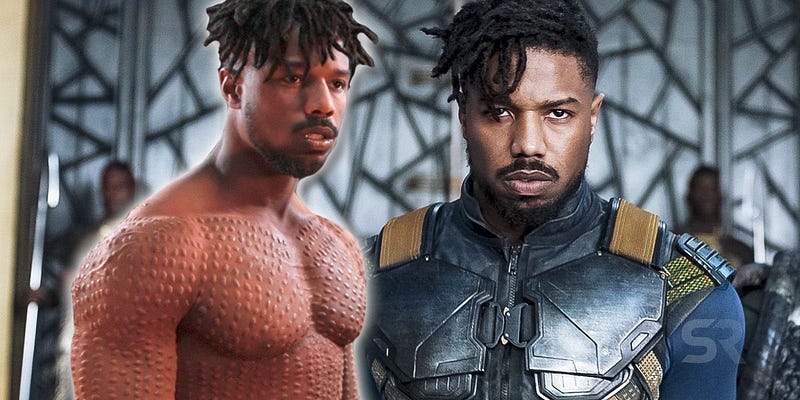
Michael B. Jordan as Erik Killmonger in “Black Panther” (2018), copyright Disney

I was at my local supermarket yesterday when I ran into a young kid, maybe 10 or 11 years old, and his mother. They were black; his hair was cut like Erik Killmonger’s from 2018’s “Black Panther” film, and he carried a T’Challa action figure (Black Panther, without the costume). I hoped his mom wouldn’t mind — hearkening to never talking to strangers — but I pointed to the action figure and took a shot:

“Wakanda forever,” I said.

His mother smiled, thankfully. “Not anymore,” the boy said. “Not until the real king comes back so he can help me and everyone.” He wiped a tear. I nodded, forced a smile for his mom, and turned back to the shelves.

I was surprised when she whispered to me, “That was healthy for him.”

I kept it there; my takeaway was the child’s answer was relevant on many levels. Considering everything going on in the world today, pursuing the matter could have spectacularly backfired.

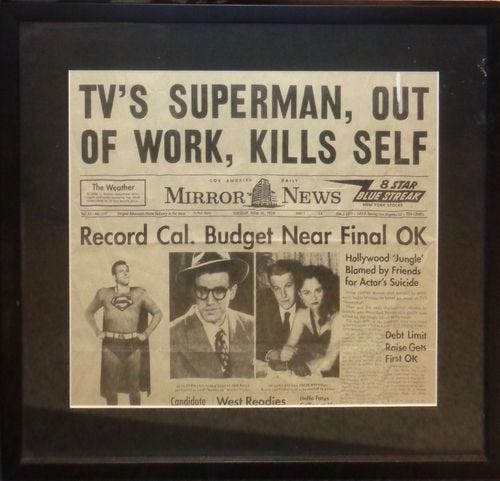
I got it. I was devastated when I heard Superman died.

But we lived in a different world back then.

I’m old. George Reeves, who played Superman in the 1952–1958 series “The Adventures of Superman,” died in 1959 from a self-inflicted gunshot wound. I was born in 1964. I watched the show in syndication. It became a personal favorite, and I found out when I was nine years old that Superman took his life.

No villain could stop him. Only he could stop himself.

I cried for hours. I couldn’t believe it. I knew back then that an actor played a fictional character, but to me — though George Reeves wasn’t the first to take on the role of the live-action Kryptonian as he followed Kirk Alyn — there was still only one Superman as he was the one with whom I grew up.
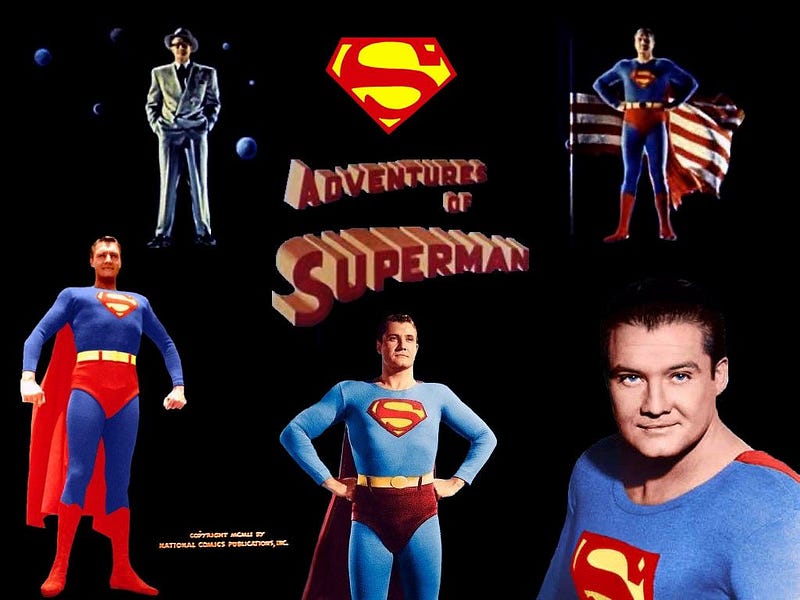
Images of George Reeves as Superman, copyright Warner Brothers Entertainment

I was angry. Though he had in reality passed 14 years prior, I felt betrayed. Superman was not supposed to die.

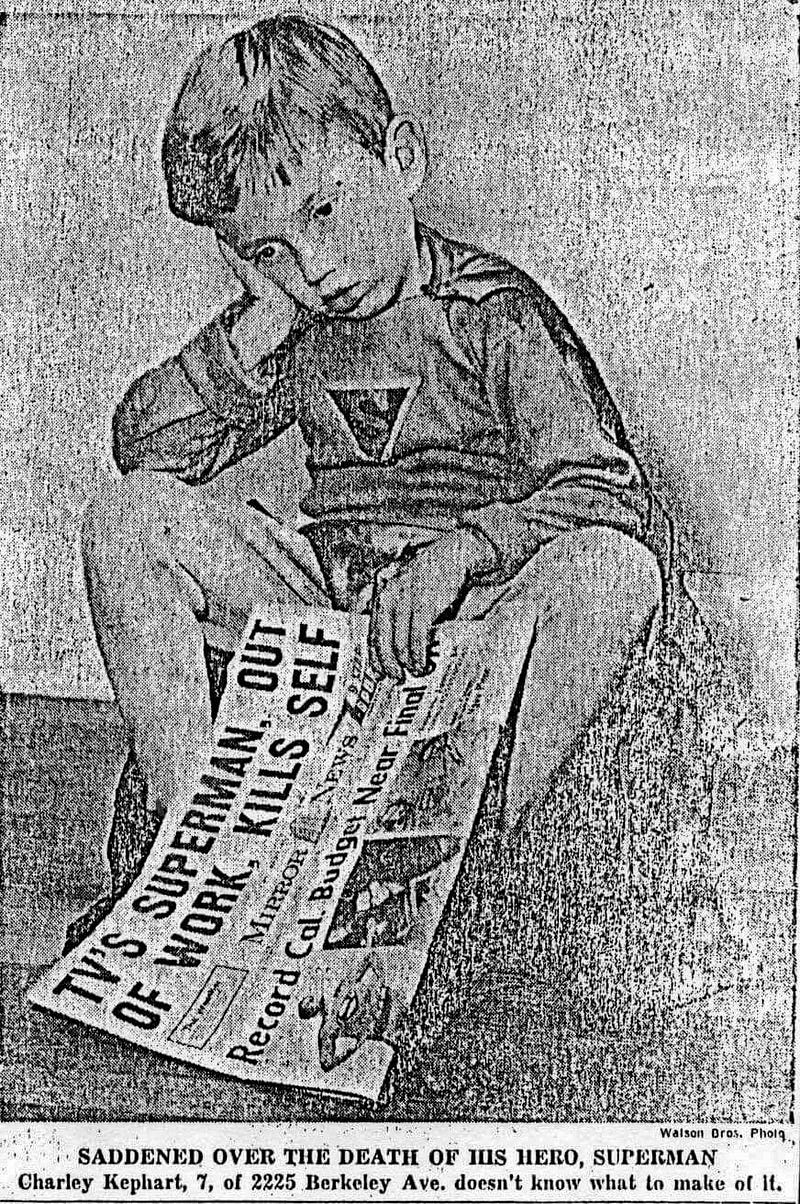
I commiserated with young Charley Kephart (below, right), who saw the newspaper headlines and could not make sense of any of them.
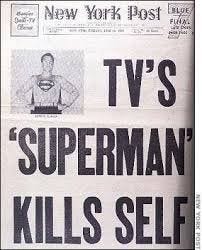
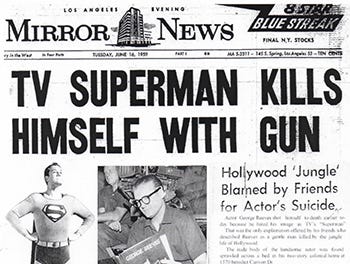
As time progressed my psychology became such that in the Superman comics I began to root for Lex Luthor and Brainiac. In 1977’s “Star Wars” (my favorite film for decades), I found Darth Vader to be the most interesting character. During the 1980’s heyday of the then-WWF (World Wrestling Federation, now WWE), I always cheered for Rowdy Roddy Piper over perennial hero Hulk Hogan.

With growth and sophistication, however, came judgement on a case by case basis.

I write about the death of George Reeves to point out the world has suffered the loss of entertainment heroes before, which for kids especially contributed to a certain unwelcome confusion and realization that life may be impermanent after all. If those we idolize can die, what about us? Make no mistake, George Reeves was immensely popular but “The Adventures of Superman” was in no way near the international icon that Boseman became due to his performance as the titular character in 2018’s top-grossing classic film.

Created by the legendary duo of Stan Lee and Jack Kirby, the Black Panther made his first appearance in 1966’s “Fantastic Four,” issue #52. Interviewed by “The Comics Journal” in 1990, Kirby said, “I came up with the Black Panther because I realized I had no Blacks in my strip…I had a lot of Black readers. My first friend was…Black! And here I was ignoring them because I was associating with everybody else.”
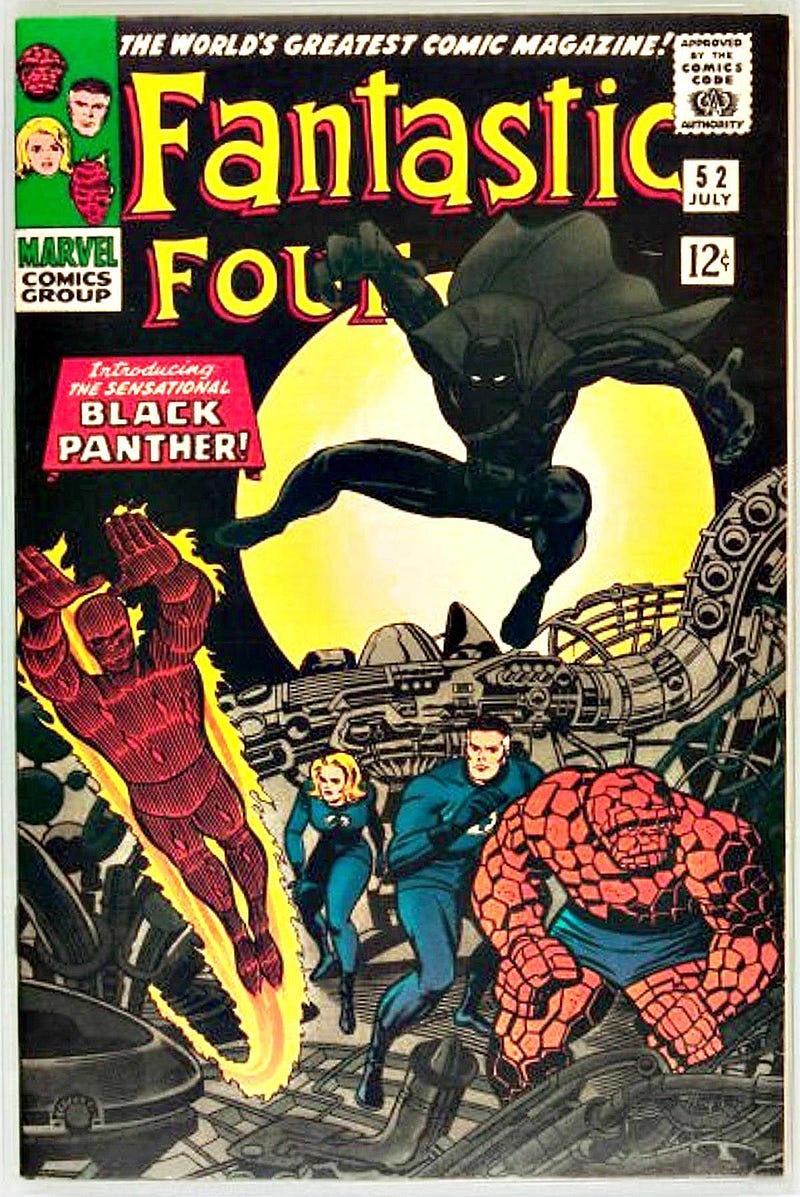
The explanation may be considered somewhat rough in today’s more sensitive times, but Kirby was honest. There were no black heroes in the Marvel universe.

The saga was expanded and refined by writer Don McGregor in 1972 in the pages of “Jungle Action,” along with pencilers Rich Buckler, Gil Kane, and Billy Graham. Together they devised a two-year saga for the character, which introduced his great rival for the kingship of Wakanda: Erik Killmonger.
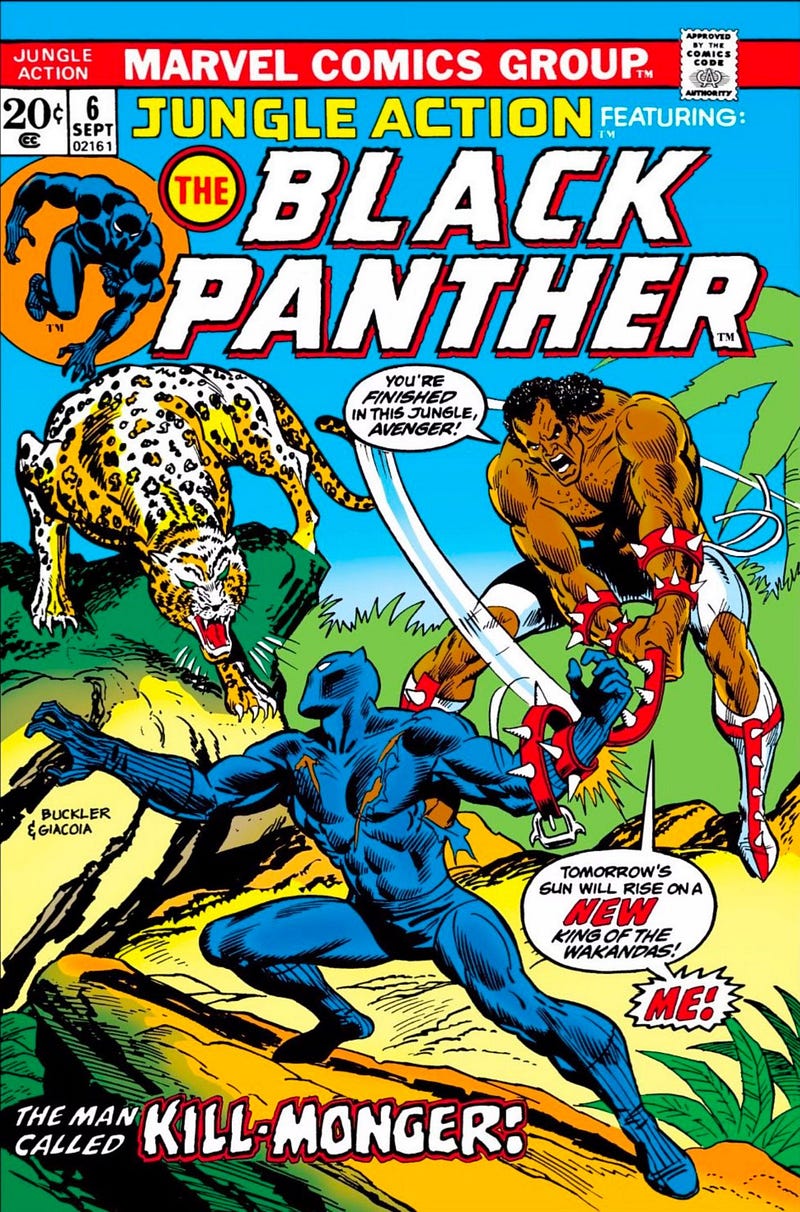
The film version of these characters was adapted in part not only from the “Jungle Action” saga, but those of other Black Panther writers and artists. The “Black Panther” feature earned an astounding $1,346,913,161 worldwide, with over $700,000,000 of that figure from domestic audiences.

Colon cancer took the star of “Black Panther,” Chadwick Boseman, from us on August 28, 2020.

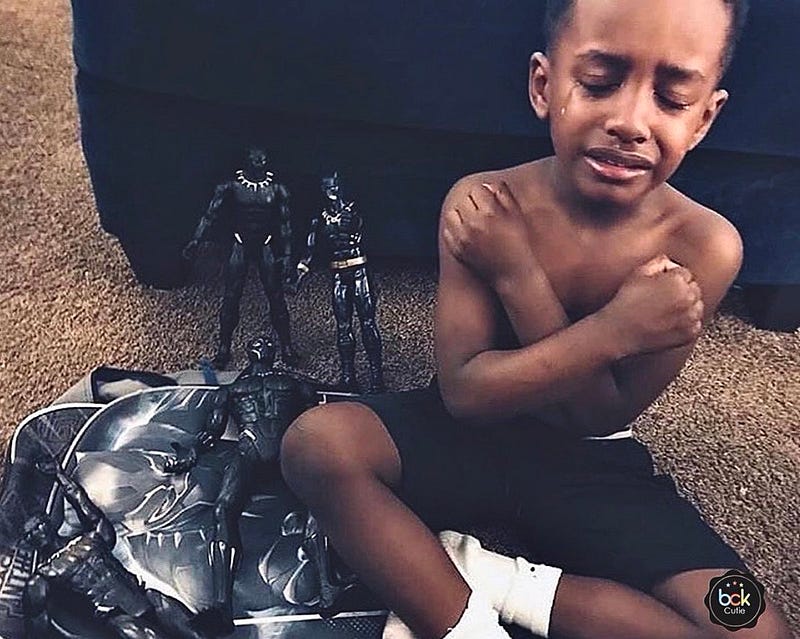
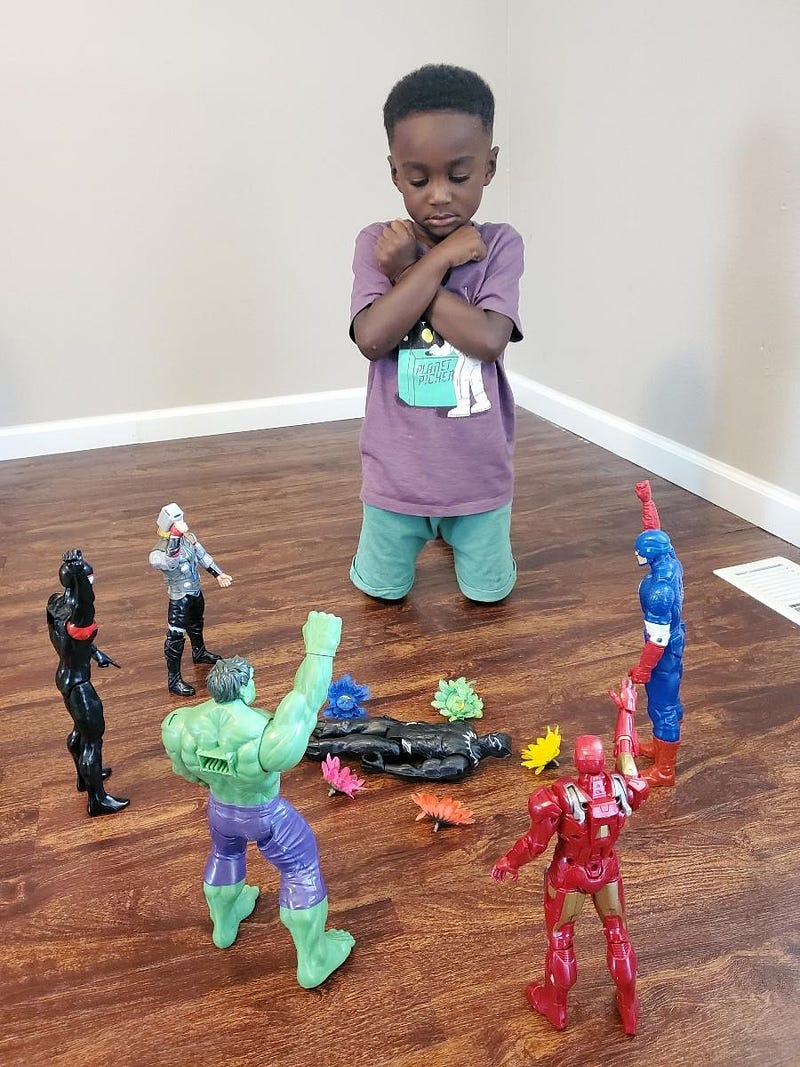
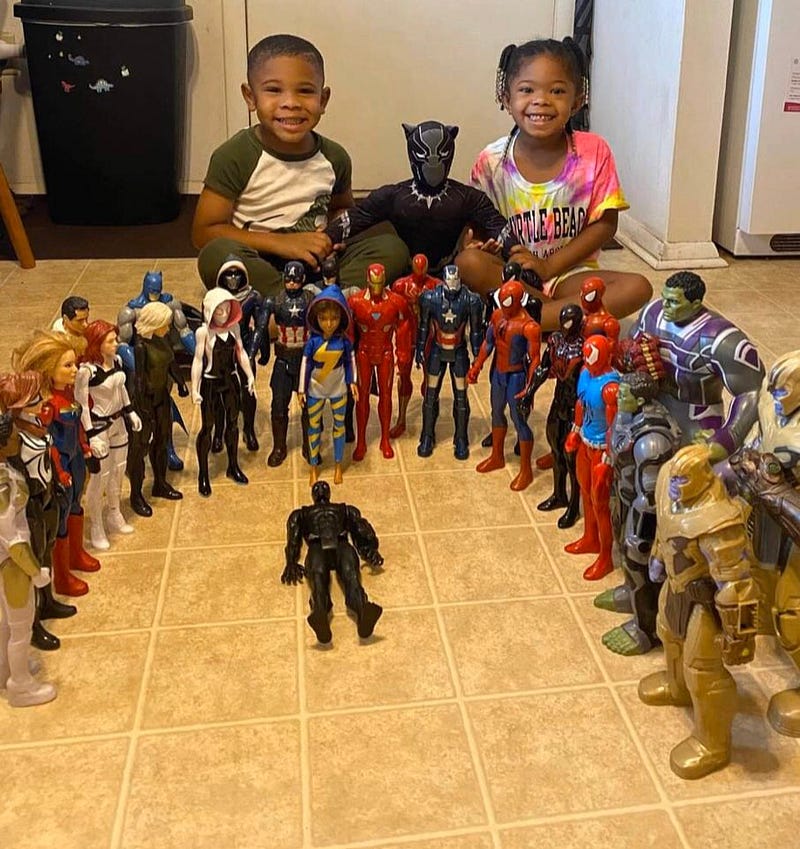
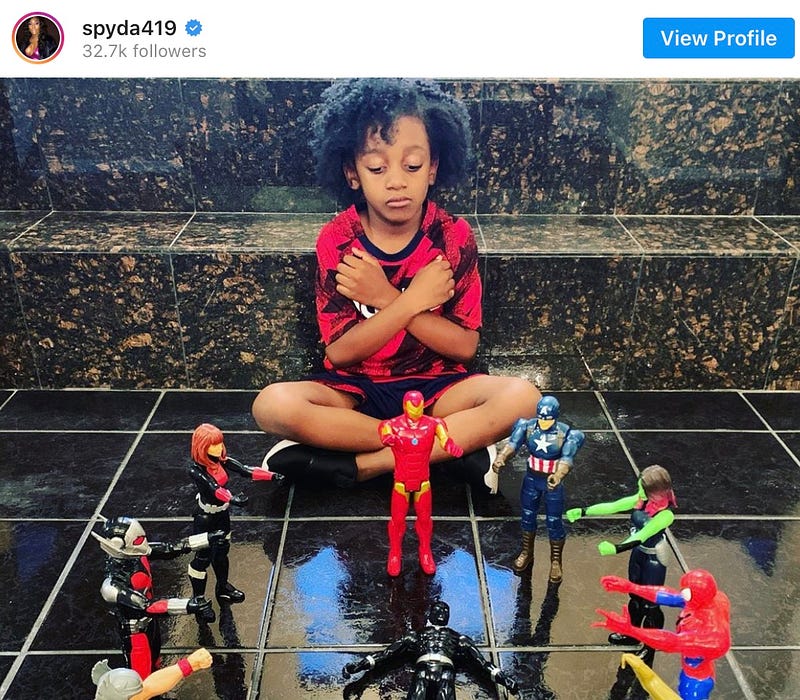
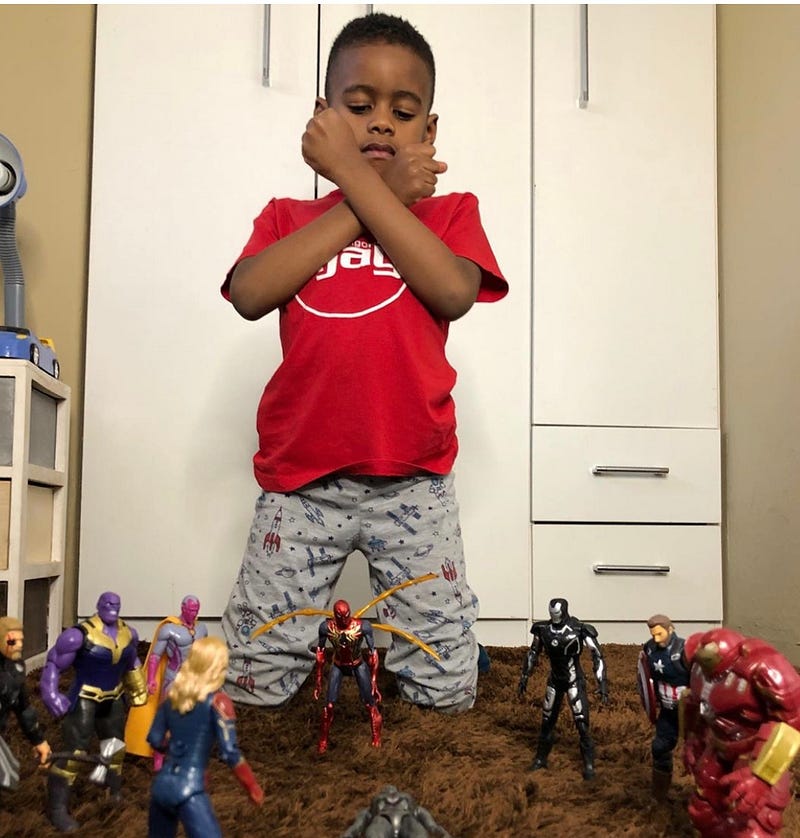
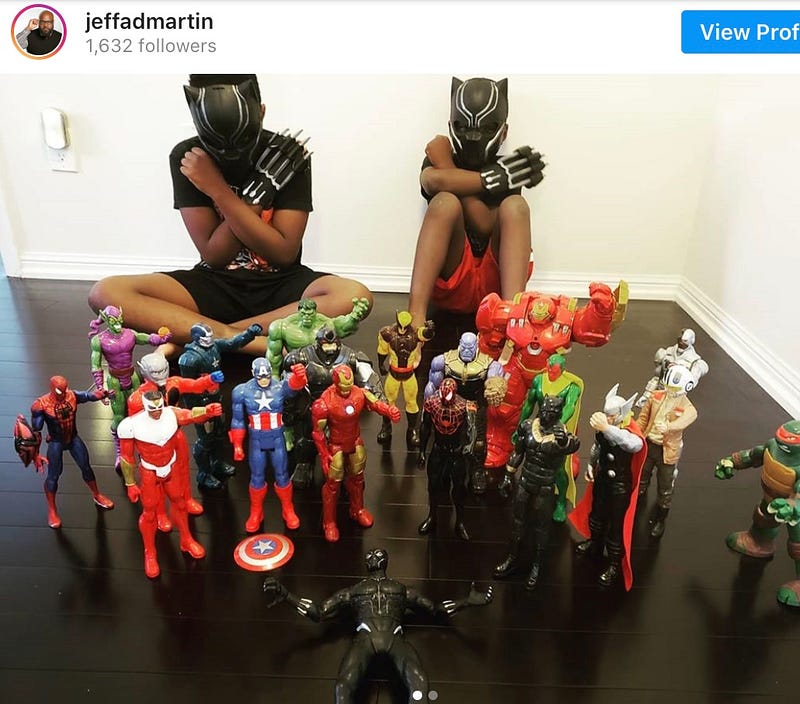
The real Black Panther was dead. For many children around the world, the tragedy resonated like nothing they’ve experienced before.

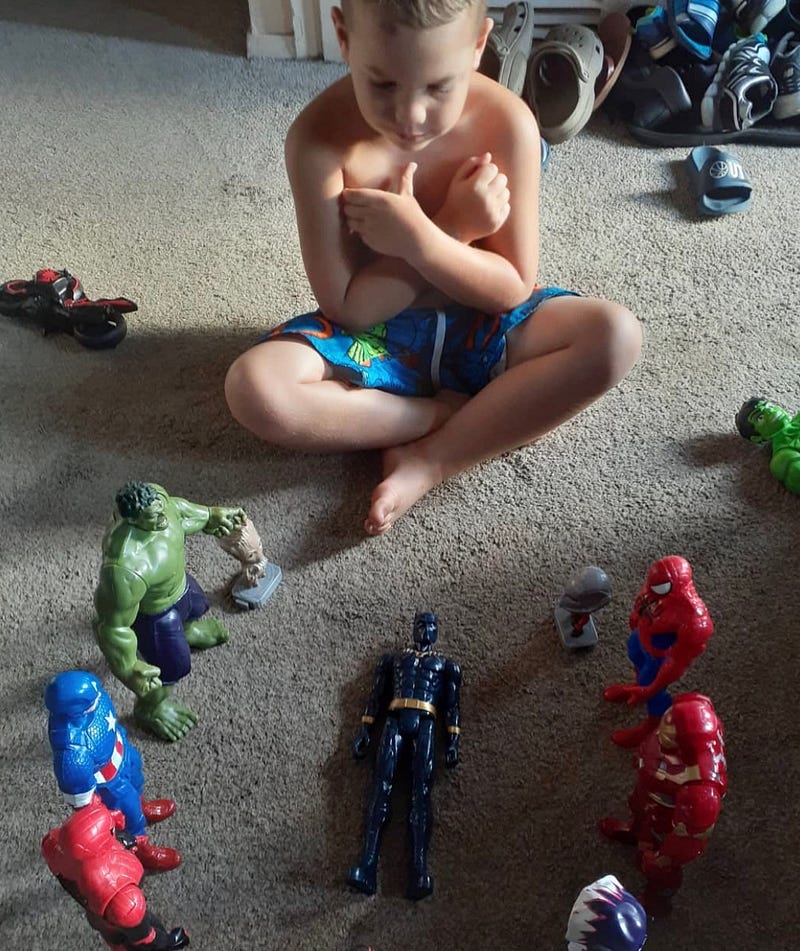
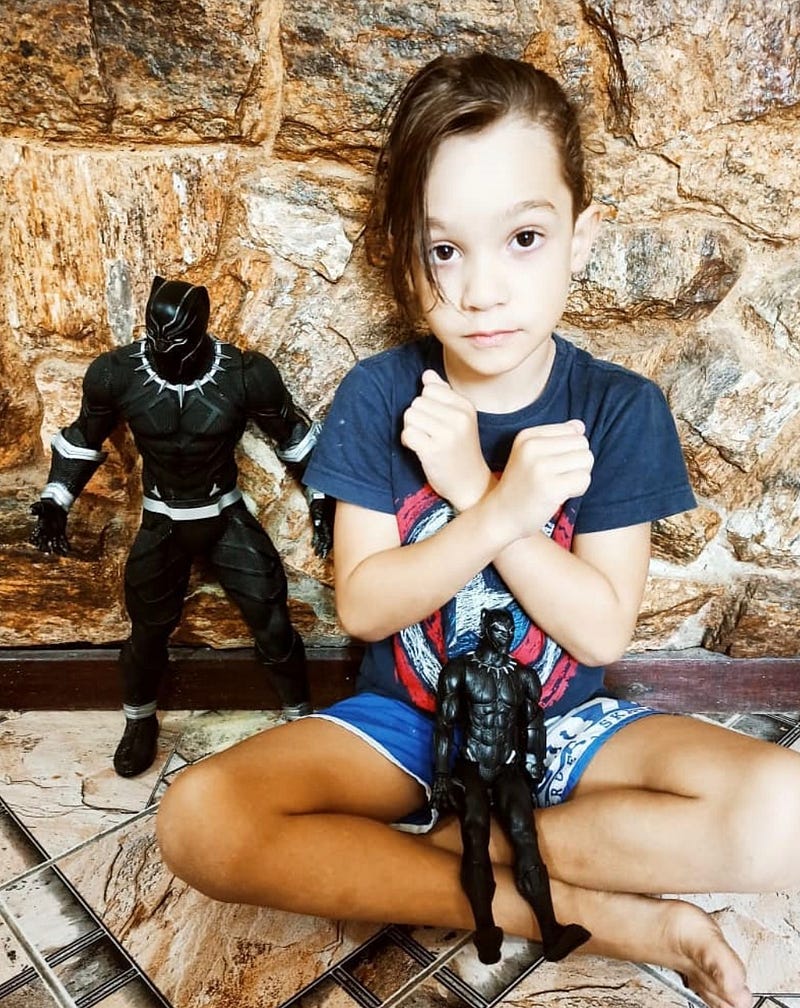
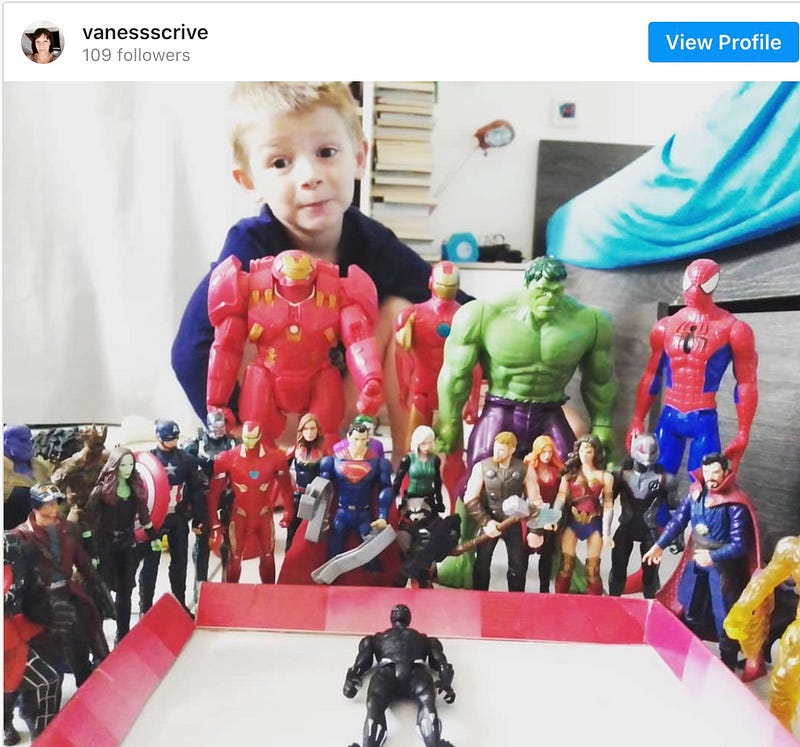
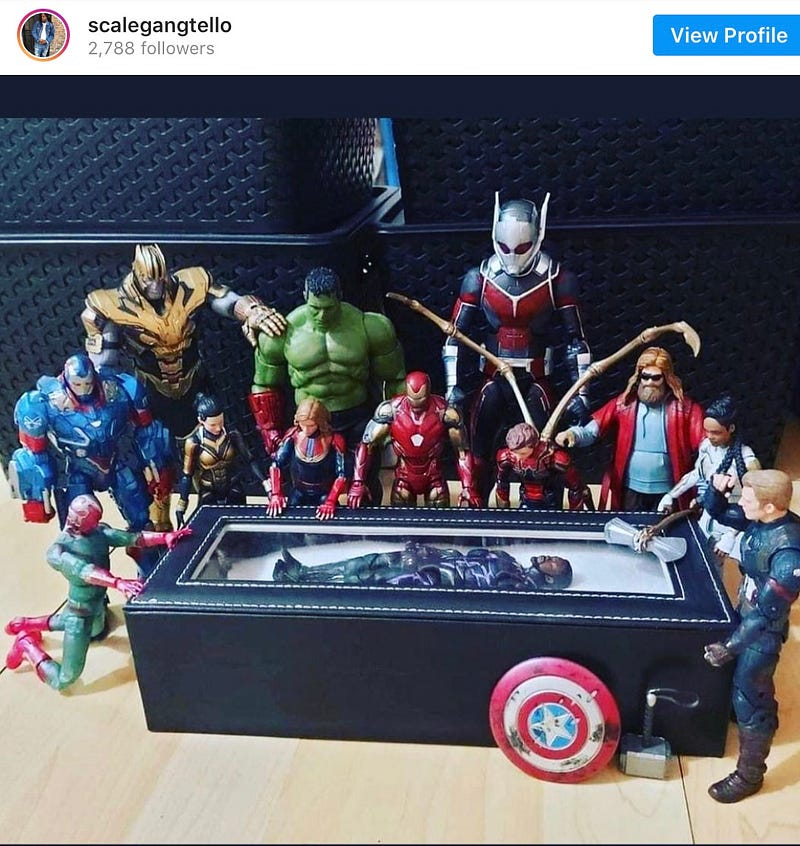
Over the next few days, they posted tributes …
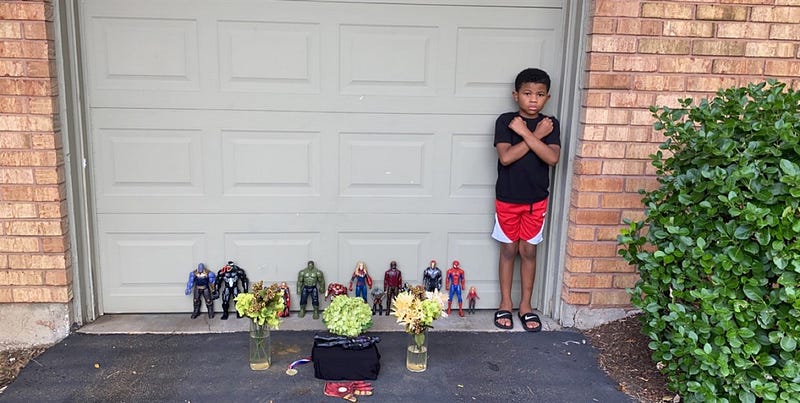
When “Black Panther” was released, Chadwick Boseman’s performance, and the film, was immediately regarded as one for the ages. Wesley Snipes’ “Blade” films did not resonate to this degree, nor had various other movies and television shows featuring heroic black leads. Finally, black culture had a cinematic hero they could hold close … and he was a king.

In today’s era of racial strife, BLM and protests, Boseman’s death took on an equally sad significance. Many black children … and many non-black children who looked upon the regal bearing of film’s King T’Challa/Black Panther as something to aspire to, lost their hero.

Innocence was lost that day. Childhood lost its grip for many.

Chadwick Boseman’s performance, as well as Michael Jordan’s as Killmonger and the film’s cast in general, created a new world of neo-African color and royalty, heroism and villainy.

One didn’t have to be a child to grieve our culture’s great loss, especially considering the time we are in when heroes are sorely needed. Neither did one have to be black.

I’m not.

If I had to guess, or analyze, the thoughts of the kid with the Killmonger hair, I’d say he convinced his mom to allow him to cut his hair in that specific style as a message that heroes may be necessary to save him — and the world — from a difficult time ahead. His words, taken on the surface. I have no clue if this child has a positive father-figure in his life, or of any of his personal circumstances. But this would be my best guess.

The kid with the Killmonger hair is waiting for his king to return, apparently because it’s difficult to conceive of a path without him.

I think we can all understand that sentiment today.

#WakandaForever.

If you would like new stories and exclusive content sent directly to your inbox, please enter your email address to subscribe to my free newsletter. CLICK here:

For those interested in a special emailed Sunday edition of “Writing For Your Life,” you can click here:

Comics
Movies
Film
BlackLivesMatter
Black Panther
Recommended from ReadMedium