
The Joy of Looking More Closely
Musings from a trip to the compost heap
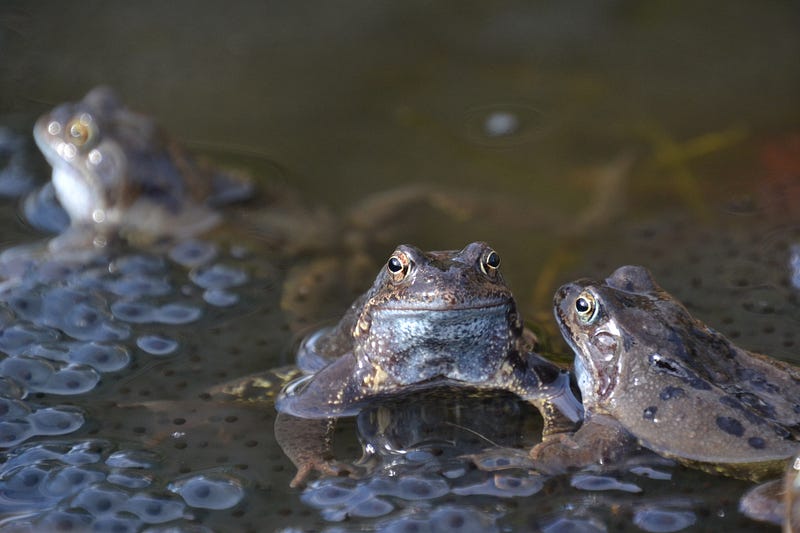
I took the compost out this morning. It was a sunny day and there was action in the shallow end of the pond. I deposited the compost and went to have a look at what was splashing about. It was frogs. There were dozens of them.
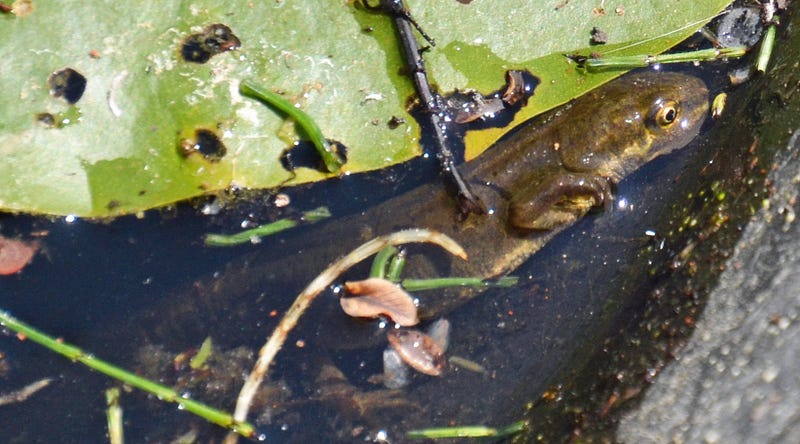
It’s the first sign of spring. They arrive to mate, with many returning to breed in the water where they were born. The pond was humming with frogs and toads, all sitting near the surface, some mating, others alone, for now, soaking up the sunshine.
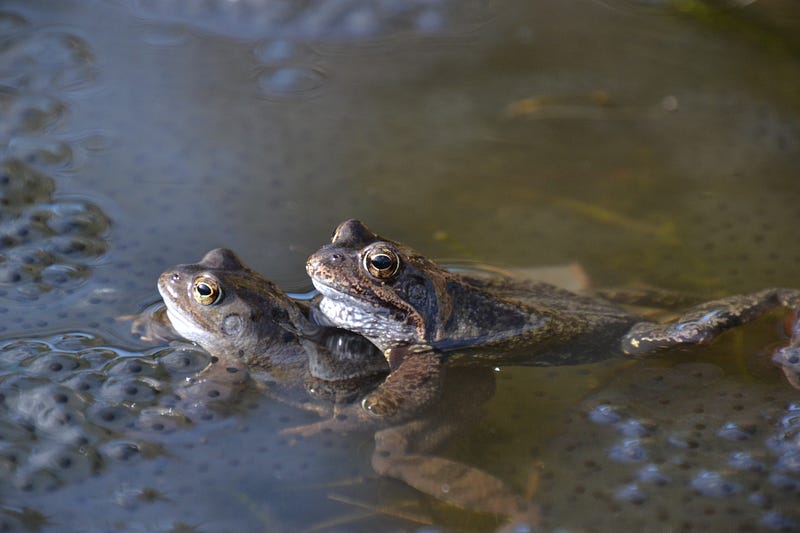
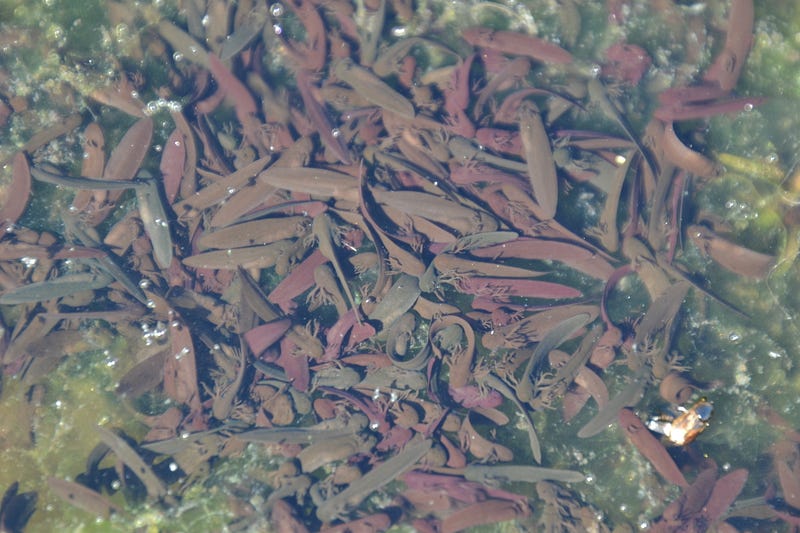
In a week we’ll have frogspawn and then the cycle of new life will begin, as I watch tiny black dots grow into tadpoles, then little froglets, then frogs who come back to breed in a year or two.
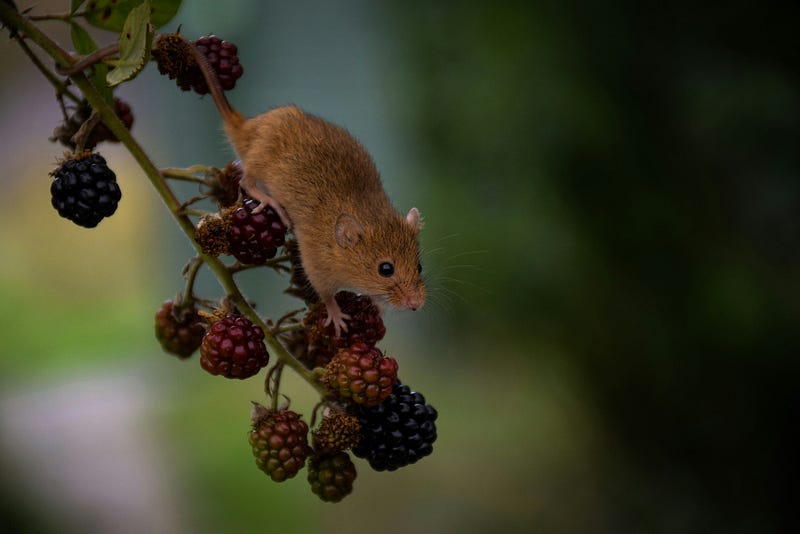
Elsewhere, at the bottom of our garden, are mice. The neighbour’s cats keep their numbers in check. They live around the waterfall near the compost heap and we found a tiny nest made from fluff on top of the water filter once. It’s where one of the little critters had made his winter home, to keep warm. They are so sweet. We’re really quite sad when a cat catches one.
There used to be a rat living in the compost heap. He would dig tunnels which were somewhat alarming when we first spotted them. I’d said to my husband a couple of times that I thought I saw something dart away as I approached the compost heap. I suspected a rat. Now we knew for sure and were worried about a population explosion.
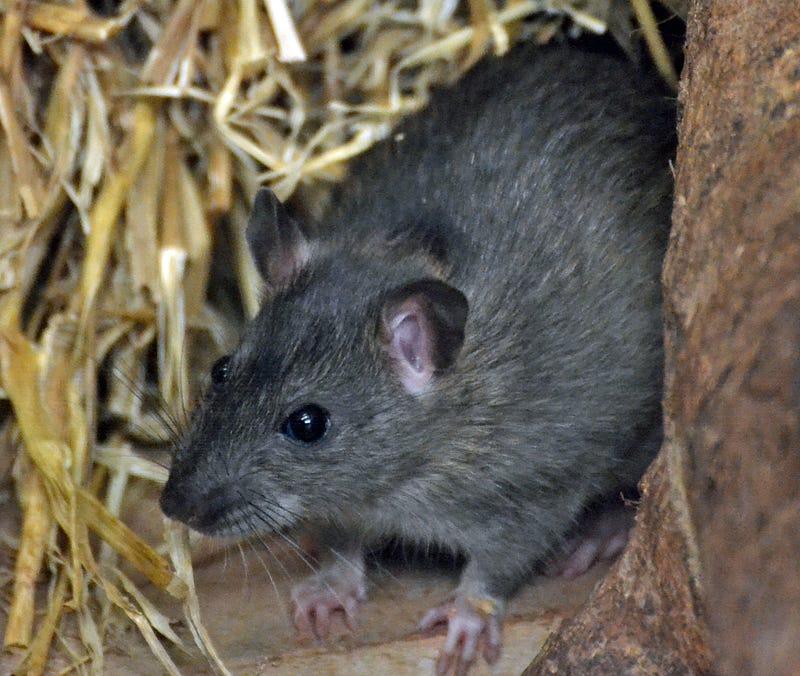
We resolved to stop putting food trimmings on the compost heap and the critter went away. No catching or cruelty needed. We just stopped feeding him.
We like our mice, but think resident rats might make us unpopular with the neighbours. The rat has moved to pastures new, while the mice continue to populate the bottom of the garden.
There’s always a lot to see if you look closely. The bees buzz around the flowers in the spring.
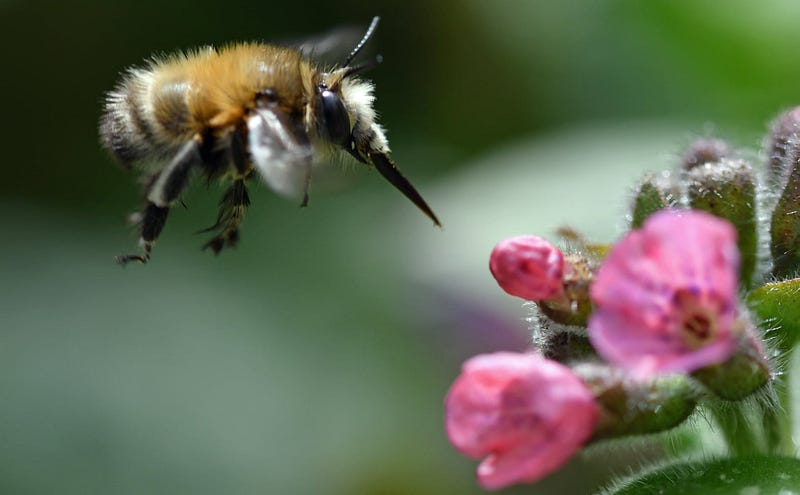
One year we had a bees’ nest in the cherry tree — and on another occasion, seeing a whole hive appear on the fence was a bit of a shock. That colony belonged to the local beekeeper who came to catch them, but he lost the queen, so they died. Pity.
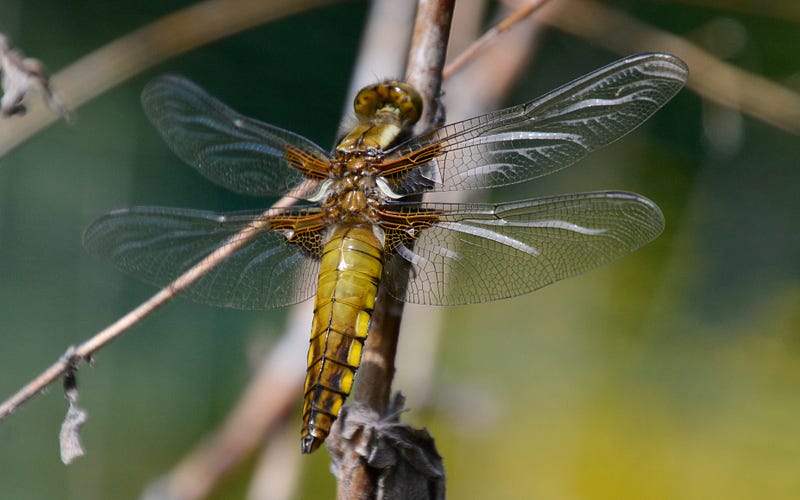
I often look around the garden to see beyond the obvious. The pond isn’t just a pool of water — it’s a whole ecosystem, with newts, dragonflies and their nymphs, pond skaters, frogs, toads and other little creatures, some of whom are a mystery to us. There are fish who breed and we see the young ones swimming in the shallows.
The heron takes any brightly coloured fish so the survivors are the dark coloured ones, and often the smaller ones. It’s a case of natural selection and survival of the fittest. I’ve covered the shallow end with mesh to give some of the young ones a chance to grow up before they risk becoming predated.
Looking more closely at what’s around us helps us to be more mindful and present in the moment. It’s good for our mental health, and helps us appreciate the beautiful simplicity of life. It also helps us respect nature and be considerate of habitats and ecosystems that we’re affecting when we’re working on the land.
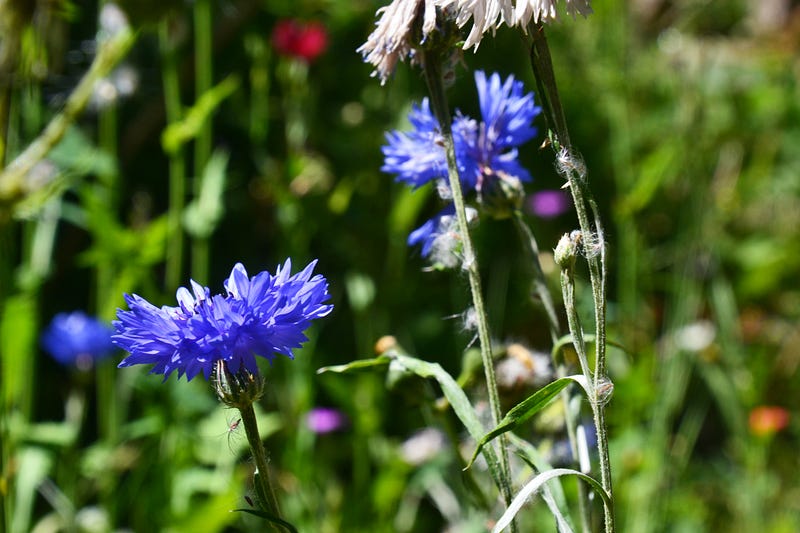
We have a small wildflower meadow to help pollinators, and a hedgehog house, should one decide to visit and need somewhere to stay. Because if we don’t protect nature, who will?
Nature is important and in decline. If we don’t protect our wildlife, we’ll be missing some of life’s most amazing experiences. Humans can be soulless, thoughtless, vicious creatures who care little for the wildlife around them. We try to do our little bit to make things right.
© Susie Kearley 2024. All Rights Reserved.