The Japanese Americans Had To Persevere Amidst Racism
The 442 Helped

Racism and hatred are prevalent in the world today. Although there have been people trying to end racism for decades in the United States, racism still persists. Black people have faced racism since being brought to this country as slaves. Their descendants still endure racism. Asians have also faced racism. Japanese Americans faced extreme racism during World War II.
With the killing of George Floyd at the knee of a Minneapolis police officer in May 2020, the issue of racism and police brutality against Black men has caused many to join peaceful protests. Unfortunately, riots, looting, destruction, and other criminal behavior have also been manifest. It is unfortunate that racism has continued to flourish over the years so the problems associated with racism persist.
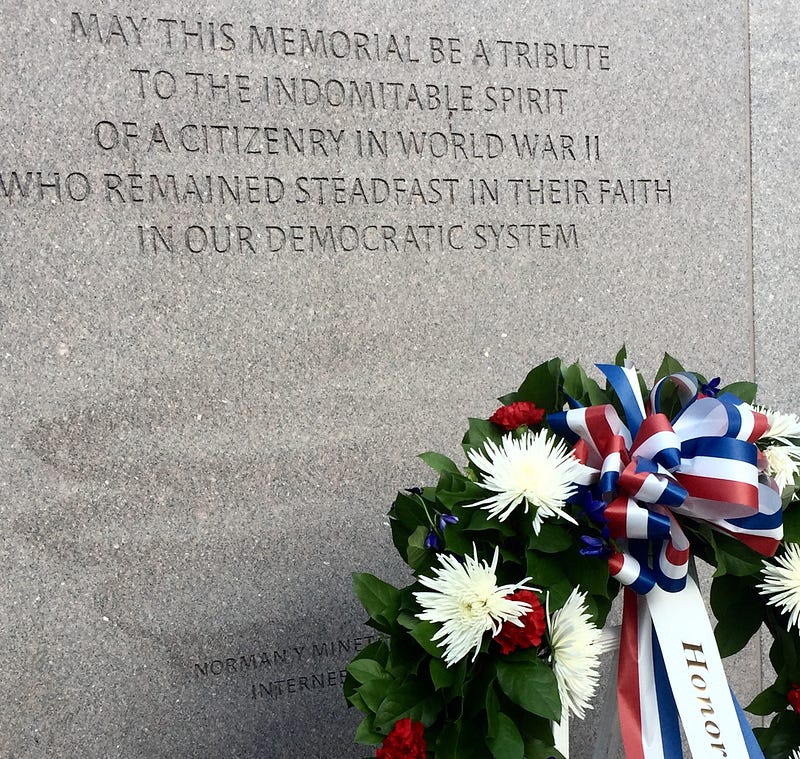
Japanese Americans were not exempt from the racism, hatred, prejudice, and discrimination that have been exhibited against minorities for too many years. These Americans who had been born of immigrants from Japan were used to hardship because of racism, but it came to a head when the United States entered World War II after the bombing of Pearl Harbor by the Imperial Navy of Japan. They faced an extreme case of unjust racial profiling.
Although Japanese immigrants at that time were fearful of what would happen to them with the nation of their birth at war with the country which had become their home, they thought their children were safe. Being born in the United States, their children and grandchildren were American citizens. They should have been protected by the Constitution because they were citizens who were innocent of any wrongdoing.
President Franklin D. Roosevelt signed Executive Order 9066 on February 19, 1942. This allowed the military to remove any people from certain areas. Although it could have been used against others, the order was only applied to people of Japanese heritage. Almost everyone was in favor of the order to incarcerate the Japanese people into camps because of the racism that existed. Most newspapers and the California farmers who disliked the competition that the Japanese farmers posed were strongly in favor of the unjust imprisonment.
The Quakers and a few others tried to help them. Some Japanese Americans were brave enough to protest the actions against them, but the order was enacted against the people of Japanese descent who were living on the west coast of the continental United States. Although Hawaii was an American territory and had more people of Japanese descent living there, the U.S. Army commander over that area deemed that it was not necessary to enact in the Islands. The Japanese people were important to the economy in Hawaii.
Some of these American citizens with Japanese parents had graduated from college by that time. There were doctors, lawyers, and teachers who had trouble finding meaningful work in their fields of study because of racism. Their lives were brought to a virtual stand still when they were forcibly removed from their homes. They first were taken to temporary assembly centers and then placed in one of the ten American concentration camps. Most of these American citizens and their parents lost everything for which they had worked hard.
Life was difficult in the camps. The children and teenagers did not bear the brunt as much as the older people. The Japanese Americans for the most part kept hope alive. They persevered against less than ideal living conditions. They tried to endure the best they could. Racism and hatred had taken a big toll on their lives and livelihood, but they did not give up. There were, however, some suicides during and after the camp experience.
Although they were originally called non-citizens or enemy aliens at the beginning of the war, the United States government later decided that these American young men could be helpful in the military. A segregated unit called the 442nd Regimental Combat Team/100th Battalion was organized of young men of Japanese heritage from the camps, from Hawaii, and some others in the mainland United States who had not lived on the west coast. Others served in the U.S. Army Military Intelligence Service, and some young Japanese American women were in the Army as well.
The 442, as they were called, suffered many casualties as they fought in the European theater. They were called “The Purple Heart Battalion” because of their huge losses of life and limb. The patriotism, valor, sacrifice, and dedication of these young Japanese Americans helped bring light to the darkness which Japanese Americans experienced. The 442 were instrumental in helping Japanese Americans to persevere and eventually find success in a country where they had been hated and persecuted.
Conditions eventually improved for the Japanese Americans after the war’s end. They had proven their patriotism and loyalty to the United States. It took hope and perseverance to not give up when darkness seemed to prevail. They needed to persevere as racism continued against them even after the war ended. Their story is one of hope and light in the midst of racism and hatred. It is important to keep trying and not to give up when times are tough.
There are still many people suffering from racism in the United States. We can and should help by showing more tolerance, care, acceptance, and love to all those with whom we come into contact.