
The Israeli-Palestinian Conflict #90: Gaza Wars: Revenge of the Sith
Join The Education through Entertainment Movement
Click this link to sign up for Medium using my membership referral page
Good morning, class. Welcome back. Let’s continue our history lesson from where we left off. If you have any questions or thoughts, feel free to share them with the class. Let’s start.
The Troubles Come In Bundles
The Netanyahu government, which started in March 2009, pursued a policy characterized by contradictory or opposing approaches. On the one hand, it froze construction in the West Bank, but on the other hand, it continued construction in Jerusalem, leading to conflicts with the American administration. Additionally, many shortcomings were discovered in public service and citizen welfare during this government’s tenure, which failed miserably and did not solve any of them. The most prominent of these were the Carmel disaster and the Israeli social justice protests in 2011.
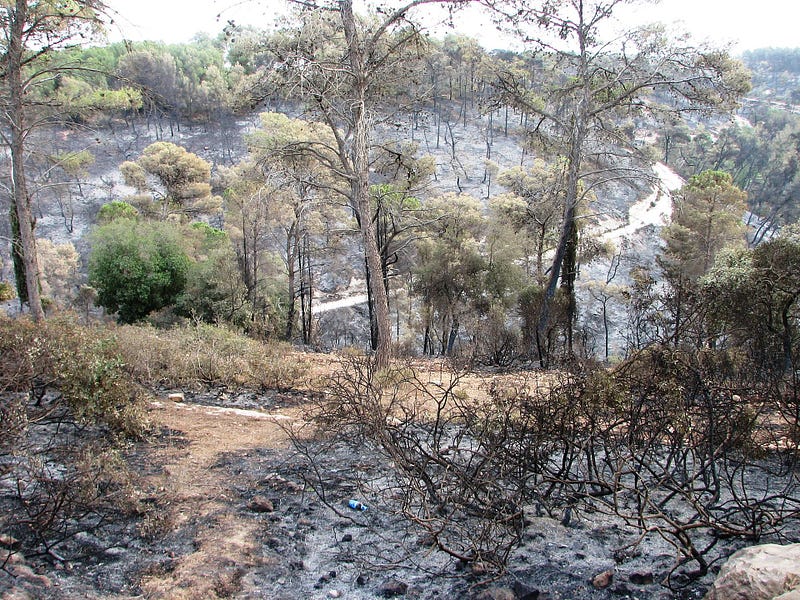
Mount Carmel Forest Fire, Aka The Carmel Disaster
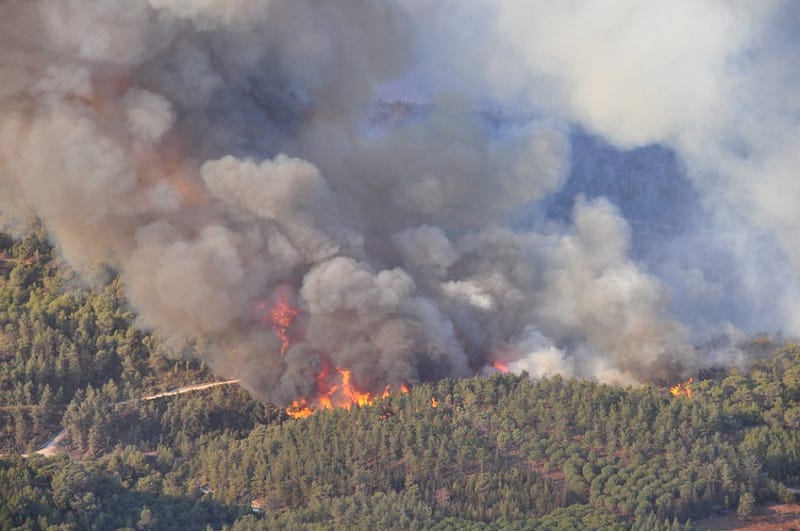
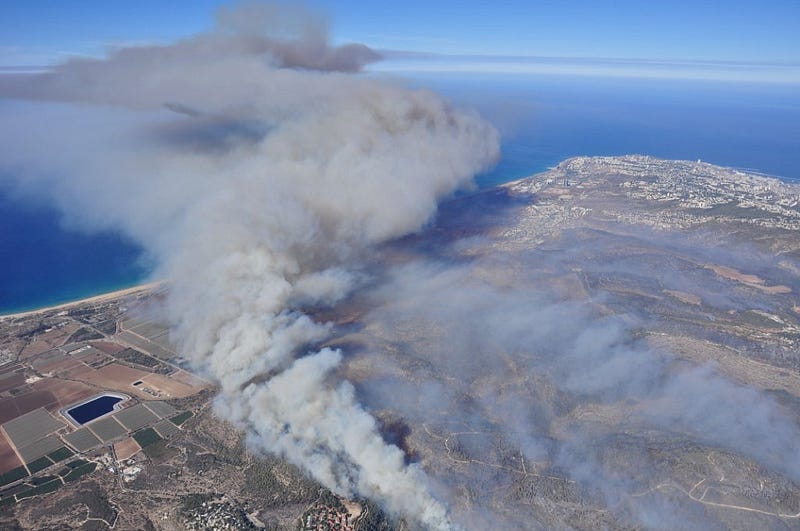
The Carmel disaster was an extensive forest fire that lasted over four days in December 2010 in the Carmel coastal mountain range region near the city of Haifa. The fire resulted in 44 deaths, the evacuation of about 17,000 people from their homes, and the destruction of nearly 25 square kilometers (25,000 dunams), including several million trees. The State of Israel received substantial air aid from various countries worldwide during the fire. Foreign planes conducted more than 130 sorties, and Israeli aircraft conducted over 500 sorties, including firefighting by subcontractors, contractual flights, and observation by the Air Force, which directed firefighting efforts.
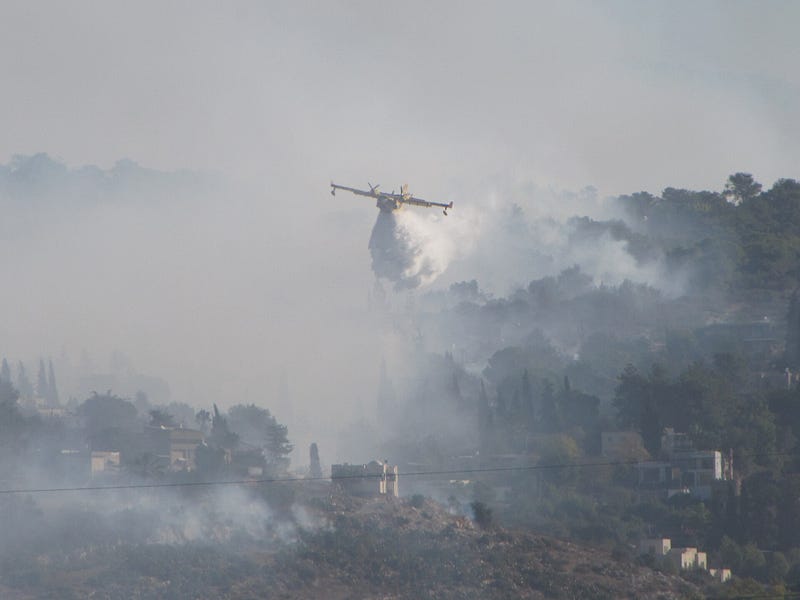
The failure to deal with the fire was mainly due to the fact that the fire and rescue services complained dozens of times in the early 2000s about a continuous lack of modern equipment and personnel. However, they did not receive budgets and even had their budgets cut by various finance ministers, among whom was Benjamin Netanyahu, who served as the finance minister of the state of Israel between 2003 and 2005. As a result, the fire services had to rely on light aircraft from private companies that provide agricultural spraying services, which subcontracted this service. This agreement resulted from a previous agreement with the IDF regarding the use of Sikorsky helicopters for firefighting purposes. It was canceled due to ongoing damage to their chassis after they were used to extinguish fires until 2000.
The Israeli Social Justice Protests in 2011
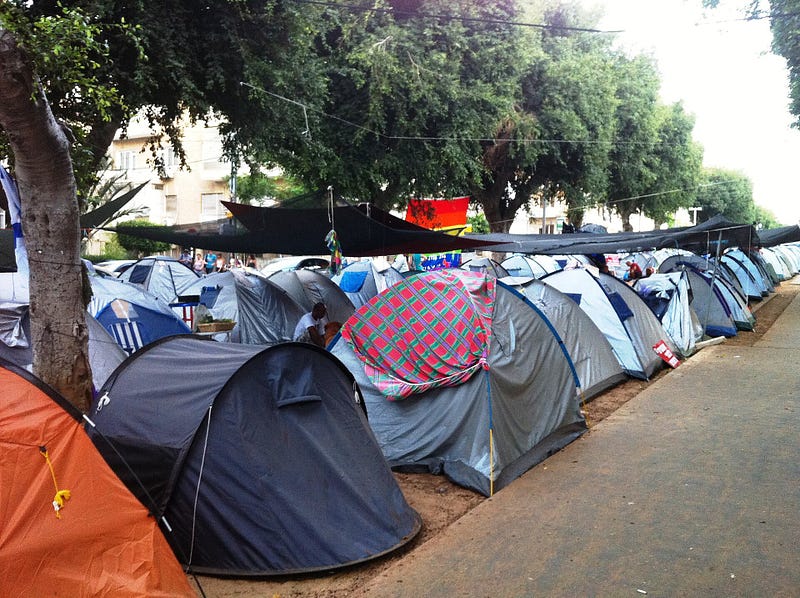
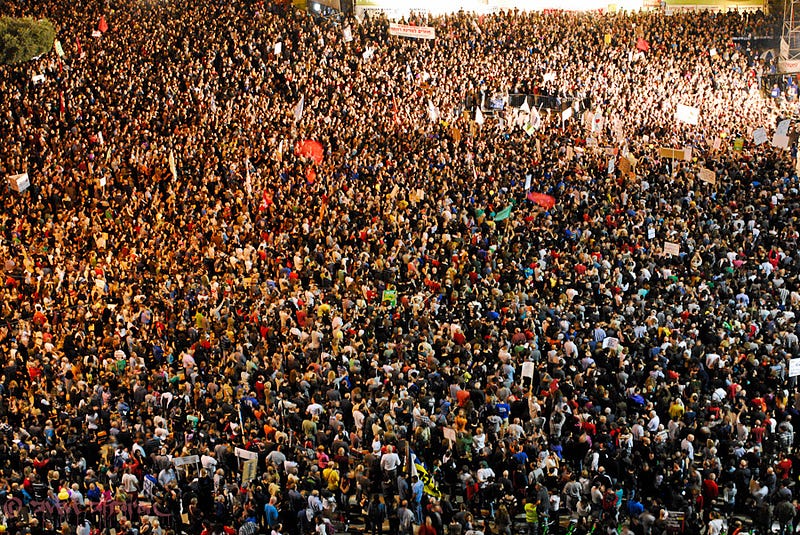
The Israeli social justice protests in 2011 were a series of protests and demonstrations throughout Israel in the summer of 2011. The protest, which began against the state of the housing market in Israel, expanded to include many issues in the socio-economic field. As part of the prominent protest actions, tents were erected in many cities throughout Israel.

The protest directed at Benjamin Netanyahu, who failed to address the problems in the housing market, created chaos and fear of losing control over power. The number of demonstrations only increased, and the Israeli government’s weak response to solving any socio-economic problem, which only included a non-binding committee, did not reassure the Israeli public. The Prime Minister, who wished to quell the public to maintain his government, did not try to solve the socio-economic problems and, as a misleading strategy, initiated a political move designed to divert the public debate from the government’s failures to a discussion about war. As a result, he exerted all his diplomatic influence and, at the height of the protests, presented a plan for the release of the kidnapped soldier Gilad Shalit after five years in Hamas captivity. The Israeli media succumbed to diverting the public discussion from the problems of Israeli society, and the full focus was directed towards the process of Gilad Shalit’s release. As part of the deal for the release of Gilad Shalit, 1,027 security prisoners were released, including hundreds of life-sentence prisoners, among whom the most prominent was Yahya Sinwar, the mastermind behind the October 7, 2023 attack on the State of Israel.
Suicide Bombing Attacks Are Back
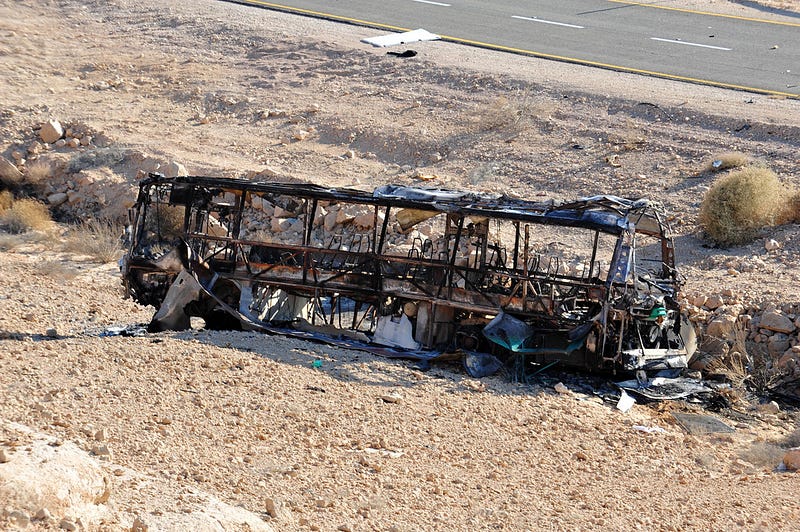
At the same time as the Israeli public’s awakening to the demand for economic welfare, there was a drastic increase in terrorist activities. In April 2011, Hamas attacked a bus of students belonging to the Shaar Hanegev Regional Council. It continued with the attack at the Haoman 17 Night Club in Tel Aviv and a series of terrorist attacks near the Israel-Egypt border. As part of this series of terrorist attacks, the terrorists opened fire on the buses and cars of Israeli citizens, killing eight Israeli citizens and injuring 38.
Operation Pillar of Defense
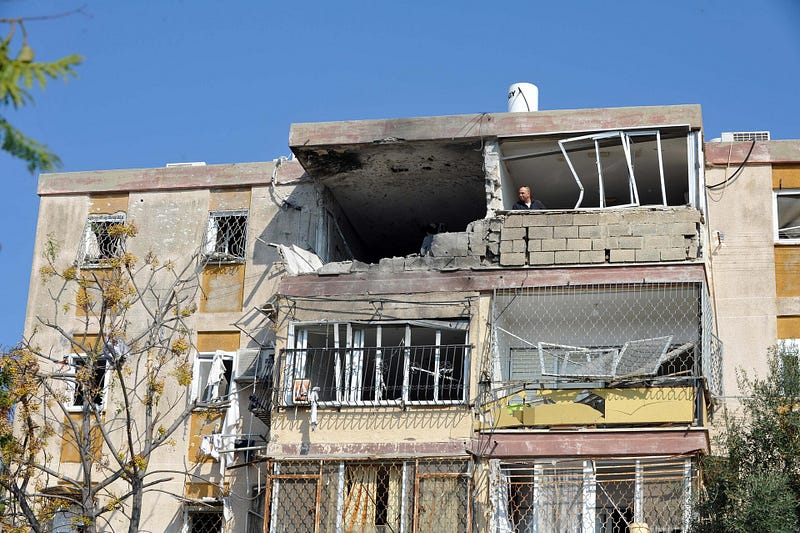
The security situation deteriorated in the Gaza Strip in 2012, and rocket launches from the Gaza Strip towards the Gaza Envelope intensified once again. This led to an escalation and the launch of another military operation, Operation Pillar of Defense, in the Gaza Strip, aimed at dealing with terrorist activity and restoring peace to the Gaza Envelope settlements. The IDF’s activity was initiated due to the ‘unbearable situation in the south of the country and to harm the terrorist organizations operating in the Gaza Strip.’ Following this, Operation Pillar of Defense began.
That’s all for today, class. We’ll continue next week.
Take care.
- Recommended reading: Follow the links in the text.
Join The Education through Entertainment Movement
Click this link to sign up for Medium using my membership referral page