
The Intrigue of the Dyatlov Pass Incident: Unraveling a 1959 Mystery
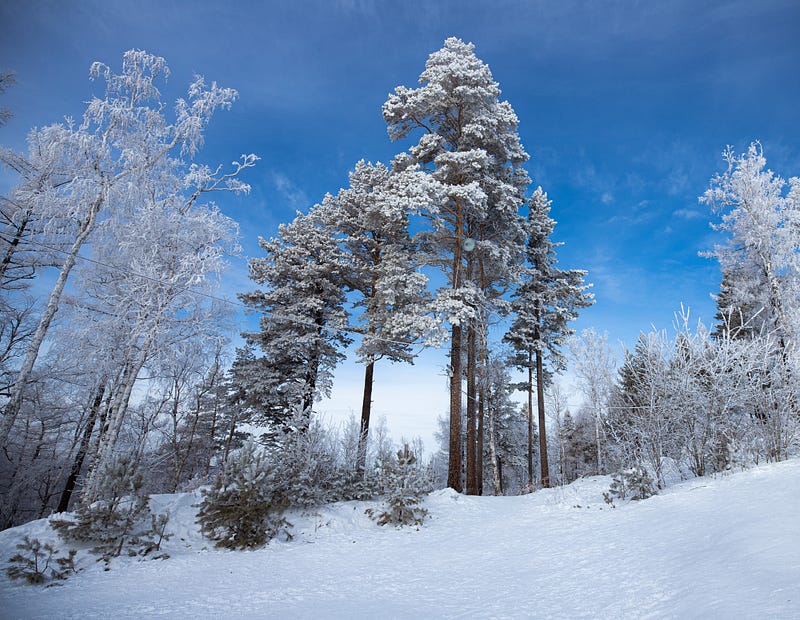
In the frigid depths of the Ural Mountains, a chilling enigma unfolded in 1959 that continues to baffle and captivate the world — the Dyatlov Pass Incident. This mysterious event involved a group of experienced hikers on an expedition that ended in tragedy under perplexing circumstances. As we delve into the details of this chilling tale, prepare to traverse the desolate landscapes and the enduring mysteries that surround one of the most haunting incidents of the 20th century.
I. The Expedition and Participants
In January 1959, a group of ten skilled hikers, mostly students from the Ural Polytechnical Institute, embarked on an ambitious trek into the northern Ural Mountains of the Soviet Union. Led by Igor Dyatlov, an experienced and passionate hiker, the group aimed to reach the summit of Otorten, a formidable peak in the Ural range. The participants, with a blend of mountaineering expertise and youthful enthusiasm, formed the Dyatlov group that would later become etched in history.
II. The Journey Unfolds
The journey commenced on January 23, 1959, as the group boarded a train from Sverdlovsk to Ivdel, the starting point of their adventure. From Ivdel, they proceeded to Vizhai, the last inhabited settlement before venturing into the wilderness. The early stages of the expedition unfolded without incident, with the group successfully reaching Vizhai and bidding farewell to Yuri Yudin, who turned back due to health issues.
III. Trekking Towards Dyatlov Pass
As the Dyatlov group pressed on, they navigated challenging terrain toward the Dyatlov Pass, named after their leader. The pass, known for its harsh conditions and unforgiving weather, would soon become the backdrop to a tragedy that defies explanation. On the evening of February 1, 1959, the group established their final campsite on the slope of Kholat Syakhl, setting the stage for the mysterious events that would follow.
IV. The Puzzling Flight from the Tent
The night of February 1–2, 1959, marked the beginning of a sequence of events that would shroud the Dyatlov Pass Incident in enduring mystery. Something prompted the hikers to make a seemingly irrational decision — to cut their way out of the tent from the inside. In their haste, they left behind warm clothing and essential gear, braving the unforgiving winter night without proper protection. The question that persists to this day is: What compelled these experienced hikers to abandon the safety of their tent in such a frantic manner?
V. Grim Discoveries Unfold
The subsequent days brought a series of grim discoveries as search parties combed the Ural Mountains for any trace of the Dyatlov group. Each revelation added layers to the perplexing nature of the incident.
A. Abandoned Campsite and Tent
Searchers discovered the abandoned tent on February 26, 1959, nearly a month after the group had last been seen. The tent, partially covered with snow, stood as a silent testament to the inexplicable events that transpired. Inside, belongings, including shoes and warm clothing, lay abandoned, telling a tale of a hurried escape into the harsh wilderness.
B. The First Bodies and Campfire
The first two bodies, those of Yuri Krivonischenko and Yuri Doroshenko, were found near the remains of a makeshift campfire in a wooded area downhill from the tent. Both were in a state of undress, their bodies showing signs of exposure to extreme cold. The circumstances raised immediate questions about why experienced hikers would venture into the wilderness without proper clothing.
C. Eerie Discoveries in the Ravine
As the search continued, more bodies were discovered, each adding to the macabre narrative. Some hikers were found with fatal injuries, including fractured skulls and broken ribs, despite the absence of external trauma. The most unsettling discovery was made in a ravine, where the last four hikers — Dubinina, Slobodin, Kolevatov, and Thibeaux-Brignolle — were found under several meters of snow, displaying injuries that defied conventional explanation.
VI. Perplexing Injuries and Anomalies
The nature of the injuries sustained by the Dyatlov group deepened the mystery, as did the discovery of low levels of radioactive contamination on some of the hikers’ clothing.
A. Traumatic Injuries Without External Causes
Several hikers were found with injuries inconsistent with a conventional physical altercation. Some had fractured ribs and skulls, while others displayed severe internal injuries without corresponding external trauma. The lack of external wounds raised questions about the force that could cause such injuries without leaving visible marks.
B. Radioactive Contamination
The revelation of radioactive contamination on some of the hikers’ clothing added a layer of complexity to the investigation. The source of the radiation remains unclear, fueling speculation about military or industrial involvement in the area.
VII. Soviet Investigation and Closure
The official Soviet investigation, led by prosecutor Lev Ivanov, concluded with a cryptic statement attributing the deaths to an “unknown compelling force.” The case was subsequently closed, and the incident became one of the most enduring mysteries of the Soviet era. The files were classified, leaving the Dyatlov Pass Incident shrouded in official secrecy.
VIII. Theories and Speculation
Over the years, a multitude of theories has emerged, attempting to unravel the enigma of the Dyatlov Pass Incident. These theories range from natural explanations to more speculative and paranormal scenarios.
- Avalanche Theory: This theory suggests that an avalanche could have prompted the hikers to flee their tent in panic. Critics argue that the terrain and snow conditions make this explanation unlikely.
- Infrasound and Panic Theory: Some propose that infrasound, inaudible to humans, could have induced panic among the hikers. The specific circumstances leading to such an event remain speculative.
- Military Involvement: The discovery of radioactive contamination has fueled theories about military testing in the area. Some speculate that the group inadvertently stumbled upon a military site, leading to their demise.
- Yeti or Other Cryptids: Given the remote location, some entertain the idea that the hikers encountered a creature like a Yeti, prompting their panicked escape. The lack of evidence and scientific feasibility make this theory more speculative.
- Paradoxical Undressing: This theory suggests that the phenomenon of paradoxical undressing, wherein hypothermia victims feel sudden warmth and remove their clothing before succumbing to the cold, might explain the hikers’ undressed state. However, it fails to account for the traumatic injuries.
IX. Legacy and Unsolved Mysteries
The Dyatlov Pass Incident has left an indelible mark on popular culture, inspiring books, documentaries, and films exploring and speculating about the events of that winter night. The enduring fascination with the mystery has given rise to a subgenre of literature and media dedicated to unsolved mysteries and the paranormal.
A. Memorial and Investigation Reopening
In 1999, the Dyatlov Foundation, founded by a friend of Igor Dyatlov, Yuri Kuntsevich, reopened the investigation to shed light on the mysterious circumstances. While the Russian government officially closed the case in 2020, the Dyatlov Foundation’s efforts persist, keeping the memory of the hikers alive and seeking answers.
B. Cultural Impact and Popular Culture
The Dyatlov Pass Incident has permeated popular culture, becoming a symbol of the unknown and the unexplained. It has inspired a range of creative works, contributing to the enduring fascination with unsolved mysteries.
C. Lessons Learned and Ongoing Curiosity
The Dyatlov Pass Incident stands as a testament to the limitations of human understanding and the allure of the unknown. Decades after the tragedy, the incident prompts reflection on the fragility of life, the mysteries of the natural world, and the human capacity to confront the inexplicable with curiosity and persistence.
Conclusion: A Frozen Enigma
The Dyatlov Pass Incident remains a haunting riddle frozen in the wintry landscapes of the Ural Mountains. As we contemplate the events of that fateful night in 1959, we are reminded that even in the age of technological advancement, some mysteries persist, eluding easy explanations.
The memory of Igor Dyatlov and his companions endures as a symbol of the enigmatic nature of our world, where the shadows of the unknown cast long and haunting silhouettes on the landscape of human exploration. The Dyatlov Pass Incident challenges us to contemplate the boundaries of our understanding, the mysteries that linger on the periphery of our knowledge, and the enduring allure of the unexplained. In the heart of the Ural Mountains, the whispers of the past continue to echo, inviting us to unravel the mysteries that remain eternally frozen in the chilling windswept valleys and snow-covered peaks.


