avatarTesie Mills

Free AI web copilot to create summaries, insights and extended knowledge, download it at here

1793

Abstract

on>Image created by Tesie Mills in Leonardo.ai</figcaption></figure><h2 id="f68e">2. The Mood Filter:</h2><p id="9eef">Ever noticed how on some days, the world seems brighter, and more vibrant, while on others, it feels dull and gray? That’s your mood acting as a filter. When we’re happy, we’re more likely to perceive things positively. On the flip side, on a gloomy day, even the chirping of birds might seem annoying.</p><figure id="950a"><img src="https://cdn-images-1.readmedium.com/v2/resize:fit:800/1*Vh0X1d4Dm3anlUcj0azdXg.jpeg"><figcaption>Image created by Tesie Mills in Leonardo.ai</figcaption></figure><h2 id="91a9">3. The Cultural Lens:</h2><p id="5e08">Culture plays a pivotal role in shaping our perceptions. From the food we eat to the way we interpret gestures, our cultural background acts as a lens, coloring our view of the world. For example, in some cultures, direct eye contact is seen as a sign of confidence, while in others, it might be perceived as rude or confrontational.</p><figure id="31ec"><img src="https://cdn-images-1.readmedium.com/v2/resize:fit:800/1*9Nd1ck84fK7PCSeR4sGWtw.jpeg"><figcaption>Image created by Tesie Mills in Leonardo.ai</figcaption></figure><h2 id="2820">4. The Power of Expectations:</h2><p id="70c6">Our brains are prediction machines. We constantly anticipate outcomes based on past experiences. These expectations can significantly influence our perceptions. If you expect a movie to be boring because of a review you read, you’re more likely to perceive it that way, even if it has its entertaining moments.</p><figure id="1b3a"><img src="https://cdn-images-1.readmedium.com/v2/resize:fit:800/1*5tL76HJQteKHBe6kYXW8Kw.jpeg"><figcaption>Image created by Tesie Mills in Leonardo.ai</figcaption></figure><h2 id="3e37">5. The Social Influe

Options

nce:</h2><p id="6844">We humans are social creatures, and the people around us, their opinions and reactions, can sway our perceptions. Ever found yourself laughing at a joke just because everyone else was, even if you didn’t find it that funny? That’s social influence in action!</p><p id="88b5" type="7">Now, you might wonder, with all these factors at play, is it even possible to have a “true” perception of reality?</p><h2 id="9f5d">Well, here’s a little secret, my friend:</h2><p id="054d">There’s beauty in this diversity of perceptions. It’s what makes our stories rich, our conversations engaging, and our world multifaceted.</p><p id="47d9">So, the next time you find yourself in a debate with someone about how a movie ended or whether that dress was blue or gold <i>(remember that viral sensation?)</i>, take a moment to appreciate the intricate dance of perception.</p><p id="4f6d" type="7">Celebrate the fact that each of us, with our unique backgrounds, moods, and experiences, adds a distinct flavor to the melting pot of life.</p><p id="0e77">And hey, if you ever feel like sharing your unique perspective on a shared experience, drop a comment below. Let’s revel in the beauty of our diverse perceptions together.</p><p id="3415" type="7">Isn’t it wonderful that the same world looks so different through each of our eyes?</p><p id="2b07"><b><i>Sending you vibes of understanding and connection. Until next time, keep exploring, keep questioning, and most importantly, keep perceiving.</i></b></p><p id="529b">Loved this piece? Share it with your friends and let’s start a conversation about the beauty of perception. And if you have a story or insight to share, I’m all ears!</p><p id="533c" type="7">Let’s connect and enrich our tapestry of experiences.</p></article></body>

The Intricate Dance of Perception

Why We See the World Differently
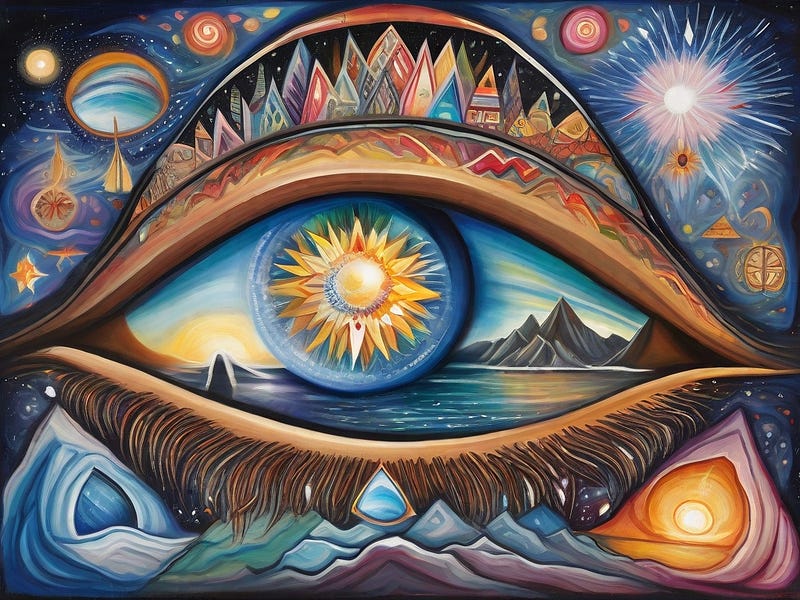
Image created by Tesie Mills in Leonardo.ai

Have you ever found yourself in a situation where you and a friend experienced the same event, but when you chatted about it later, it felt like you were describing two entirely different scenarios? It’s like you both attended different parties, even though you were at the same one! Well, let me take you on a little journey into the fascinating world of human perception. And trust me, it’s a ride worth taking!

Now, before we dive in, let’s play a quick game. Imagine a beach. Got it? Great! Now, was your beach crowded with sunbathers and children building sandcastles, or was it a serene, untouched paradise? Was it sunset or midday? The fact that each of us visualized a unique beach scene is a testament to the magic of perception. But what shapes these perceptions? Let’s find out.

1. The Backpack of Past Experiences:

Our past experiences are like a backpack we carry around, filled with memories, lessons, and emotions. Every event, every interaction, leaves an imprint. So, when we encounter a new situation, our brain rummages through this backpack, pulling out past experiences to help interpret the present. For instance, if you’ve had a negative experience with dogs in the past, you might perceive a barking dog differently than someone who grew up with a friendly canine companion.
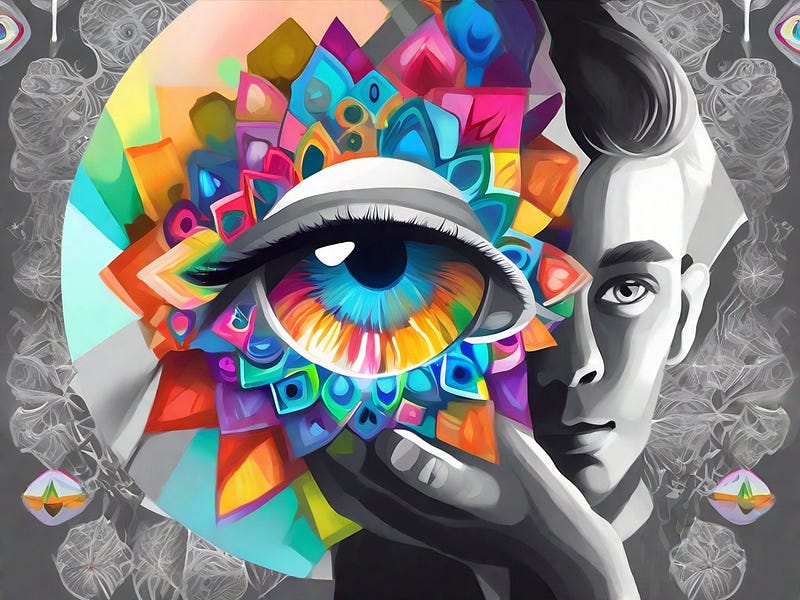
Image created by Tesie Mills in Leonardo.ai

2. The Mood Filter:

Ever noticed how on some days, the world seems brighter, and more vibrant, while on others, it feels dull and gray? That’s your mood acting as a filter. When we’re happy, we’re more likely to perceive things positively. On the flip side, on a gloomy day, even the chirping of birds might seem annoying.

Image created by Tesie Mills in Leonardo.ai

3. The Cultural Lens:

Culture plays a pivotal role in shaping our perceptions. From the food we eat to the way we interpret gestures, our cultural background acts as a lens, coloring our view of the world. For example, in some cultures, direct eye contact is seen as a sign of confidence, while in others, it might be perceived as rude or confrontational.
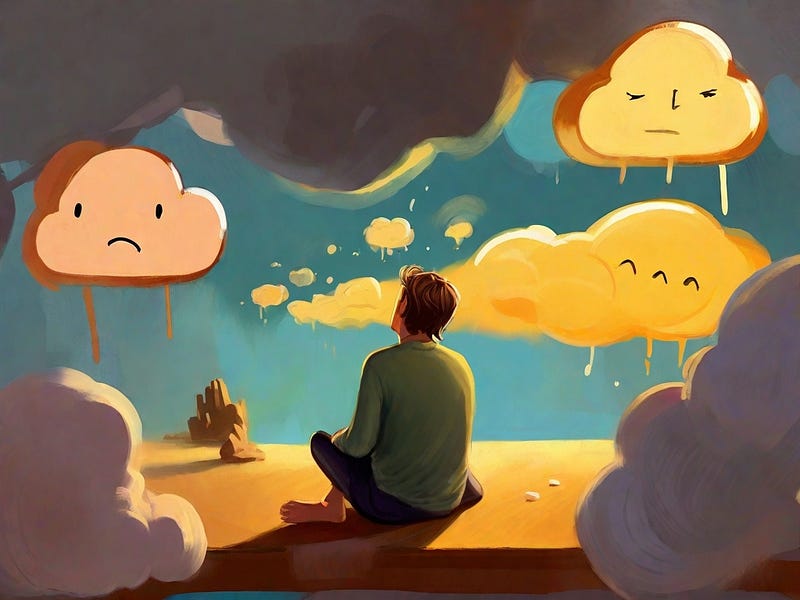
Image created by Tesie Mills in Leonardo.ai

4. The Power of Expectations:

Our brains are prediction machines. We constantly anticipate outcomes based on past experiences. These expectations can significantly influence our perceptions. If you expect a movie to be boring because of a review you read, you’re more likely to perceive it that way, even if it has its entertaining moments.
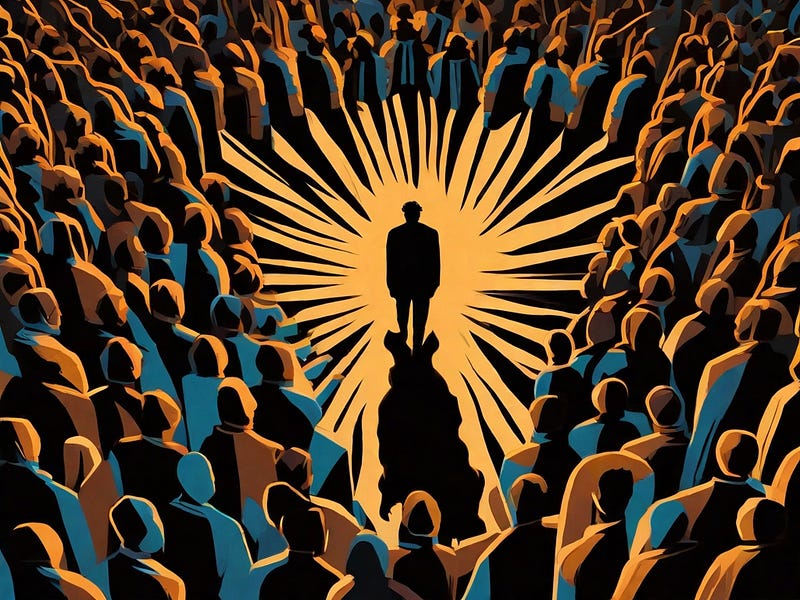
Image created by Tesie Mills in Leonardo.ai

5. The Social Influence:

We humans are social creatures, and the people around us, their opinions and reactions, can sway our perceptions. Ever found yourself laughing at a joke just because everyone else was, even if you didn’t find it that funny? That’s social influence in action!

Now, you might wonder, with all these factors at play, is it even possible to have a “true” perception of reality?

Well, here’s a little secret, my friend:

There’s beauty in this diversity of perceptions. It’s what makes our stories rich, our conversations engaging, and our world multifaceted.

So, the next time you find yourself in a debate with someone about how a movie ended or whether that dress was blue or gold (remember that viral sensation?), take a moment to appreciate the intricate dance of perception.

Celebrate the fact that each of us, with our unique backgrounds, moods, and experiences, adds a distinct flavor to the melting pot of life.

And hey, if you ever feel like sharing your unique perspective on a shared experience, drop a comment below. Let’s revel in the beauty of our diverse perceptions together.

Isn’t it wonderful that the same world looks so different through each of our eyes?

Sending you vibes of understanding and connection. Until next time, keep exploring, keep questioning, and most importantly, keep perceiving.

Loved this piece? Share it with your friends and let’s start a conversation about the beauty of perception. And if you have a story or insight to share, I’m all ears!

Let’s connect and enrich our tapestry of experiences.

Perception
Personal Development
Human Experience
Culture
Psychology
Recommended from ReadMedium