avatarAlfred Pek

Free AI web copilot to create summaries, insights and extended knowledge, download it at here

5717

Abstract

s of Asia Pacific, Middle East and some countries of Europe with the exception of Vietnam.</p><figure id="8cf0"><img src="https://cdn-images-1.readmedium.com/v2/resize:fit:800/1*fcarIIVF6pS_umdjFXen6w.jpeg"><figcaption></figcaption></figure><figure id="fa72"><img src="https://cdn-images-1.readmedium.com/v2/resize:fit:800/1*o56BhDrmN8TfQfm5k3lEbA.jpeg"><figcaption>Deserted Haymarket and ICC at noon (14/04/2020)</figcaption></figure><p id="836f">Second reality reflects upon the less pragmatic, ideological and cultural reluctance/docility, and blind faiths that some place functions in acknowledging the reality of the pandemic. Whether it’s based upon the underplaying of the pandemic situation where the virus threats are seen as boogeyman from some far away place where as a result its population and politicians thinks they’re invincible/protected, or that some groups are identifying with the testament of the power of protection in their religion which consequently preventing the masses from carrying out the precautions given from public health experts of enforcing physical distancing and stubbornly maintaining their typical economical activities, ultimately putting all the population at risk of contracting the virus.</p><p id="93ba">This phenomenon is found in Western Europe, North America, most of the middle income countries of the Americas and Middle Eastern countries. The number of infections have exploded and any implemented protection measures that were eventually adopted becomes too late to contain the outbreak.</p><blockquote id="2bbf"><p>Essentially, these places are beating around the bush on the serious threats of the pandemic and the vulnerability of our globalised system when it strikes</p></blockquote><p id="de9b">The third reality, and perhaps the worst of all are for the rest of the citizens of the developing world, the homeless, and the destitute (including stateless people and refugees) and their inability to test, contain, and manage the spread of the virus in general due to limited resources, ideological reluctance, and limited, non-existence awareness and misinformation about the pandemic, putting themselves at the mercy of the rest of the world in helping them to contain the pandemic and management.</p><h2 id="686a">This will cause grave concerns for a lot of developing Asian countries such as India, Indonesia, Pakistan, Philippines, as well as the rest of the African continents where there’s simply impossible to enforce and strict lock-down, regimented testing for its population, and heath facilities to contain the management. Only the well off will be spared from the worst, and billions will suffer in silence, as the global media’s attention is focused towards the global rich.</h2><figure id="82c8"><img src="https://cdn-images-1.readmedium.com/v2/resize:fit:800/1*pG6Ef_gBudLNsg59iKMVLQ.jpeg"><figcaption></figcaption></figure><figure id="5d1a"><img src="https://cdn-images-1.readmedium.com/v2/resize:fit:800/1*aO7QnZPQtDgv-va_9SziQg.jpeg"><figcaption>Fishes clearly visible in the usually murky waters of Darling Harbour (14/04/2020)</figcaption></figure><p id="6141"><b>The true exception for this is of course the People’s Republic of China. </b>As the epicentre of the outbreak for the rest of the world was first recorded in the city of Wuhan and <a href="https://time.com/5813628/china-coronavirus-statistics-wuhan/">their government’s lack of trustworthy data</a> when it comes to<a href="https://www.npr.org/sections/goatsandsoda/2020/03/13/814709530/with-odds-against-it-taiwan-keeps-coronavirus-corralled"> informing the real statistics, research</a>, and facts of the virus has caused millions of people around the world including its own people to distrust the information provided by their central government.</p><h2 id="e0f0">On a serious note, whether it is through negligence, or intentional weaponisation of the virus and the like. The impact of any pandemic against minorities, the poor, and the marginalised will always be greater than those who are part of the hegemony in one’s society.</h2><p id="36bb">Furthermore, the pandemic has revealed further weakness within our global economic system. The over reliance of centralised energy, material, and service sources, the logistical chains for supermarkets and fresh produce, the lack of socio-economical safety nets in places where uber-capitalist system still reigns where billionaires are still <a href="https://www.bbc.com/news/business-52289657?fbclid=IwAR2gu5H-zER8LuivyiEe3j4aQkWesA3VZnPi0mO60q_fhN0WTu9rmW0lxmc">ridiculously amassing massive wealth</a> at the expense of the pandemic. All of a sudden,<a href="https://www.theguardian.com/world/2020/mar/28/power-equality-nationalism-how-the-pandemic-will-reshape-the-world"> the shift in global centres</a>, <a href="https://read.oecd-ilibrary.org/view/?ref=126_126985-nv145m3l96&amp;title=COVID-19-Protecting-people-and-societies">social welfare and benefits redistribution</a>, decentralisation of <a href="https://www.politico.com/newsletters/morning-agriculture/2020/03/27/victory-gardens-born-out-of-coronavirus-pandemic-786441">goods produce</a> and services,<a href="https://www.cnbc.com/2020/03/27/coronavirus-can-the-internet-handle-unprecedented-surge-in-traffic.html"> digital space renaissance</a>, hygiene practices, and <a href="https://www.theguardian.com/world/2020/mar/25/coronavirus-nature-is-sending-us-a-message-says-un-environment-chief">environmental recovery</a> (through the lack of human activities outdoors) have sprung-ed up, entirely challenging the way we live. It very clearly reveals those who are stubborn for change and those who are <a href="https://www.bbc.com/future/article/20200331-

Options

covid-19-how-will-the-coronavirus-change-the-world?referer=https%3A%2F%2Fwww.ecosia.org%2F">prepared for our future</a>.</p><h2 id="e8d2">Many old ideologies begins to crack under pressure during this crisis, influential figures and politicians are for the first time, not immune from these invisible threats. No longer they’re above the mercy of destiny.</h2><p id="5818">For most of us, if we weren’t previously exposed to different perspectives, mindsets, and experiences. To grasp most of these perspectives, challenges, and the stigma attached with it would be difficult. That being said, the importance of tuning into stories outside of our own bubble. It can’t be denied the terrible impact where millions of people are losing their livelihoods, border movement becoming nonexistent, and we become trapped in our own bubbles in various degrees. Those who are young, healthy, and living in a more remote areas of the world where the medical impact of the virus has been less felt are at an advantage towards building their future. Those who are old and are stuck in a dense urban area will be the most trapped, perhaps rudely virtue signalling of the inevitable.</p><figure id="4191"><img src="https://cdn-images-1.readmedium.com/v2/resize:fit:800/1*JCunetAALnmKBiBsZICgeg.jpeg"><figcaption>Physical distancing message below the overpass at Darling Harbour (14/04/2020)</figcaption></figure><p id="d836">There are so many voices of experts, politicians, influencers, or those who have <a href="https://lens.monash.edu/@medicine-health/2020/03/26/1379888/coronavirus-recognising-disenfranchised-grief-and-covid-19">experienced the worst of the crises</a>. A lot of these voices tends to drown us out from the reality of so many others, particularly those who we don’t hear often. The voices of the ordinary, the marginalised and the ones who are quietly doing the change for the betterment of their society needs to be told.<b><i> It is a fact that inspirations can come from anywhere if the stories are told well</i></b>. Given my ability to make Video projects of my own and others, I think it is only appropriate to capture many of these voices around the world myself.</p><h1 id="a1be">The project name is “Vision 2020 AD”</h1><blockquote id="7e9d"><p><b>We’re standing at the cross-points of our humanity’s history. A global pandemic has abrupt-ed our world system to a standstill. It’s been more than 100 years since there’s been a worldwide pandemic that radically altered the landscape of everyone from around the world. For storytellers such as myself, capturing these raw moments in history in a time capsule is very important as our duty towards creating and envisioning the betterment of our collective future.</b></p></blockquote><figure id="d9a7"><img src="https://cdn-images-1.readmedium.com/v2/resize:fit:800/1*_WhFCH8RRTdF12whxu3xhA.jpeg"><figcaption></figcaption></figure><figure id="dba0"><img src="https://cdn-images-1.readmedium.com/v2/resize:fit:800/1*kxS2aG-tIAWW7ggA5RM7EA.png"><figcaption>Upcoming Short Documentary “Vision 2020 AD” by Alfred Pek — Suling Productions</figcaption></figure><blockquote id="4f52"><p><b>This project will explore the various splices of life of various people from around the world and showcase their hopes, dreams, and reflections upon their pasts and presents as we come to terms with this planetary change towards the future for 2020 and beyond. There’s bound to be something meaningful coming out of this, and we’d like to expand this privilege of listening to everyone’s perspective, stories, and thoughts from different places around the world.</b></p></blockquote><p id="22ba">More information will be coming soon! <i>We are currently in the process of filming self recordings and video editing</i></p><p id="32db">Fortunately, since the 13th of April, I have secured a new job that are less stressful, my family are safe and sound. I have a roof and group of friends I can communicate digitally. However, besides this short documentary, my fundraising effort to complete my life’s work (so far) for the upcoming documentary called “<a href="https://documentaryaustralia.com.au/project/freedom-street/">Freedom Street</a>” is on hold until further notice. Despite these setbacks, with where I am in the world, there’s plenty of things that I have gratitude for. Although, for some of my friends in Indonesia, and around the world, they are not so lucky. Some of them are trapped in their statelessness, poverty, age, domestic violence, homelessness, and economic burdens and such circumstances. I can only pray for their safety and well being.</p><p id="1715">We are truly living in uncertain times. But remembering that in this life, we cannot take everything for granted, and reminding ourselves that there’s plenty of things to be grateful for. As cliched as this sounds, we can always find <a href="https://globalleadership.org/articles/leading-yourself/brene-brown-on-joy-and-gratitude/">gratitude</a> in our lives no matter where you are, and in times like this, it is more important than ever that we <a href="https://globalleadership.org/articles/leading-yourself/brene-brown-on-joy-and-gratitude/">practice them daily!</a></p><h1 id="bd4f">And with that, here’s to life and our resilience both individually and collectively in facing towards the future!</h1><figure id="1000"><img src="https://cdn-images-1.readmedium.com/v2/resize:fit:800/1*PUCMaLLQZOz0JkV0aFDMVw.jpeg"><figcaption>The view of my Balcony in Suburban area of North Parramatta, Australia (15/04/2020)</figcaption></figure><p id="d3fb"><i>— This article acknowledges the traditional Owners of this land, the Darug people where this article was written.</i></p></article></body>

The Intersections of our Identities — A glitch in our system from a bug in 2020

And the blindsides of our privilege within the global inequality
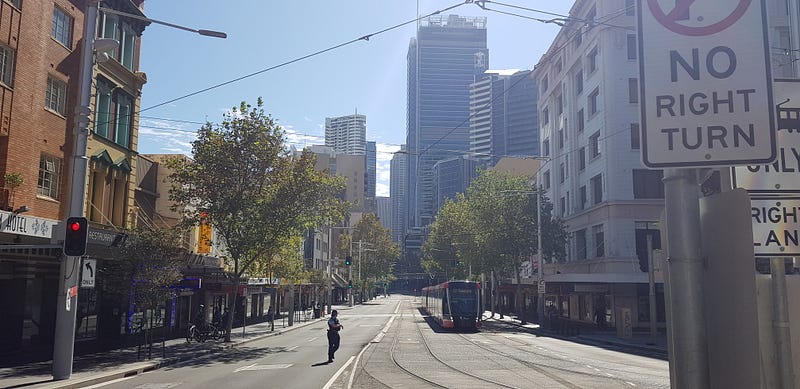
Sydney CBD at noon — Australia’s Epicentre of COVID-19 Outbreak (14/04/2020)

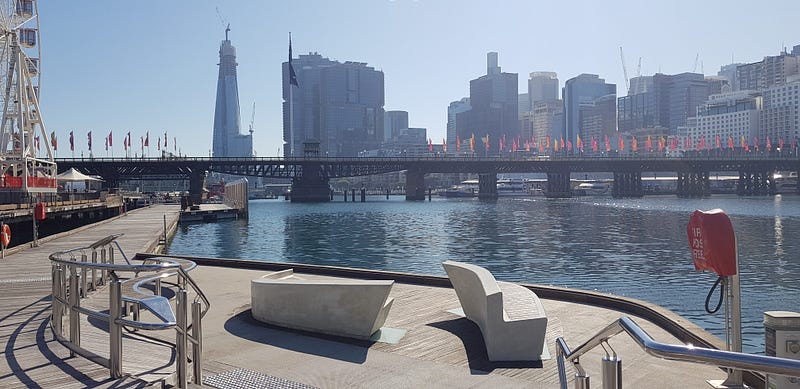
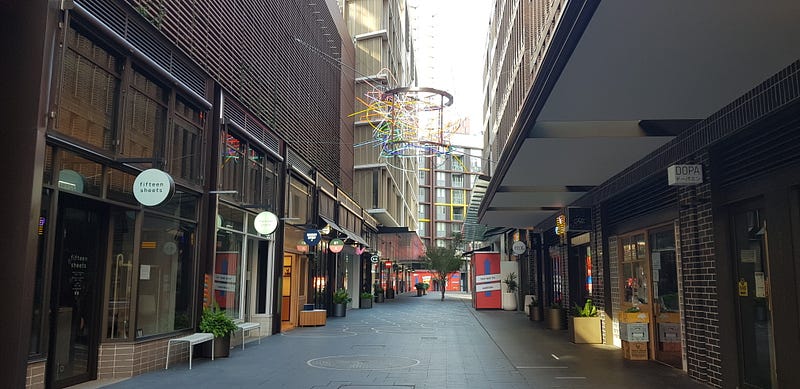
I’ve never imagined myself where the practice of putting mouth masks, vigilant hand sanitising and avoiding people within 2 meters distance when in public in a beautiful crisp clean autumn morning air would become the norm. God must be crazy by making us protecting ourselves on what must be the most beautiful time Sydney, Australia has ever been in its modern history. The streets are hauntingly empty, with a few police patrolling the streets and occasionally dealing with homeless people (whilst they’re in distress) where every move and actions are watched over. The only thing that runs on the streets are the public transport, the occasional shoppers walking over and the sparse logistical vehicles driving around town. It wouldn’t do us justice for the future if we don’t capture like this!

If someone went into a coma in January and were only just waking up April, they would have thought the world have ended when they go outside!

Frankly, I thought beautiful built up pristine ghosts town only exists within China. I’ve never expected them to quite metaphorically imported their bizarre phenomenon to be here in Australia. There isn’t really any word to capture this kind of stark beauty that it casts under these clean and clear blue skies previously only found in remote parts of the world. I really felt the isolation in this vast remoteness of the planet, as literally all human civilisations are coming to a stand still.
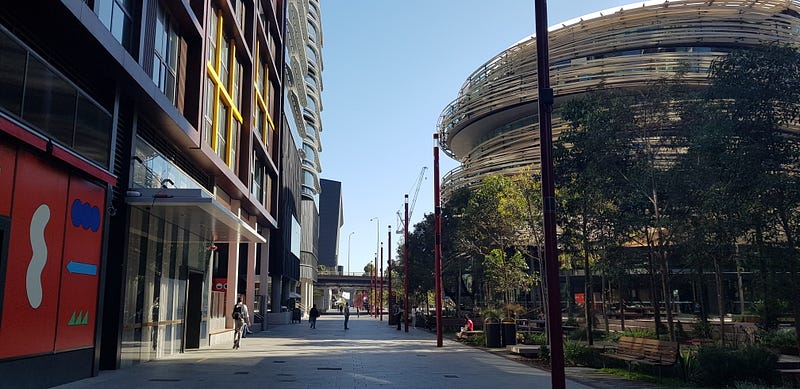
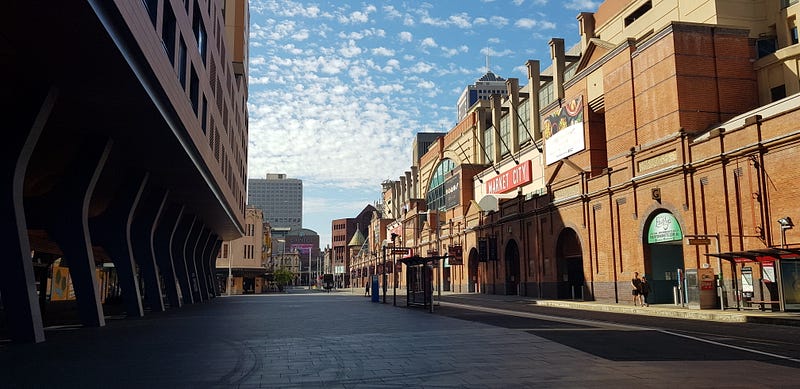
Haymarket during noon — Sydney, Australia (14/04/2020)

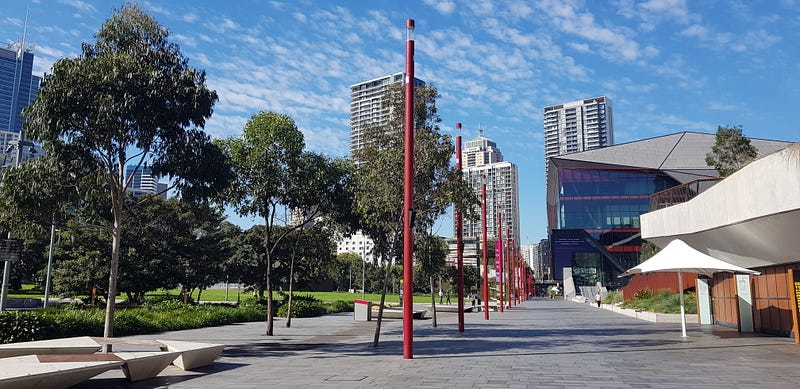
Yet, on this very fateful morning on the 14th of April, I’ve never thought that I would quit my previously very stressful job, shop for groceries to my heart’s content, socialise, and enjoy a little stroll along the beautiful Darling Harbour, all whilst obeying physical distancing rules and vigilant self-hygiene practice of course. The parks have never been greener, the water has never been clearer, the fishes have come back in what was previously murky water, it’s as if we’re almost in a default mode setting for a virtual game where the city is deserted from humans. The amount of paradox, ironies, and cognitive disassociation that all of us are experiencing are forging neural paths in our heads. The brain when functioning as it meant to be conditions our reality into some sort of “new normality” as we’re settling into patterns of our new lives. It’s as if the gods are playing cruel joke on their subjects, where, during our most beautiful and pristine moments of our cities, we are prevented from going outside, experiencing the beautiful nature and meeting our loved ones.

It’s as if we’re the virus to the ecosystem of this planet and this is how mother nature is correcting itself…
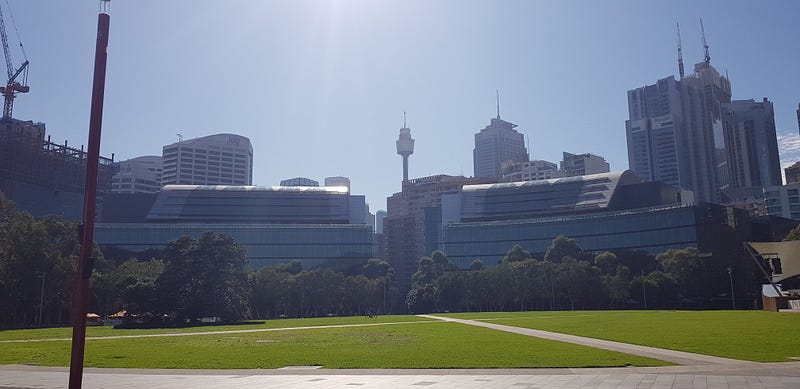
Tumbalong Park & Darling Harbour at noon — Sydney, Australia (14/04/2020)

As of this writing. the rest of the world is dealing with the worst of the first wave of the pandemic. However, Australia, New Zealand, and other East Asian countries are beginning or have flattened the curve of the first wave of this pandemic. However, public health experts and epidemiologist are anticipating the second wave of the pandemic transmission as they’ve learned from our recent history with the Spanish Flu outbreak 100 years ago. However, as we know in the back of our minds that not all of our world are created equal. As of this writing, there’s essentially 3 types of reality within the way the world deals with a pandemic management.

One reality reflects upon a mostly transparent and pragmatic way some place acknowledges the reality of pandemic and have made strides to enforce vigorous lock-down and physical distancing measures for some when testing and tracing methods aren’t available or in the process of catching up with available resources.

For most of these places, their preparedness are due to their regular experience in managing outbreaks of novel viruses and disease.

Of course within this transparency a controlled border with high testing rate during its early days of pandemic news, avoiding the calamity of the first wave altogether, and the other of course are some sort of combination of both the lock-down and high testing and tracing rate. This phenomenon is exclusively found in rich and highly developed places of Asia Pacific, Middle East and some countries of Europe with the exception of Vietnam.
Deserted Haymarket and ICC at noon (14/04/2020)

Second reality reflects upon the less pragmatic, ideological and cultural reluctance/docility, and blind faiths that some place functions in acknowledging the reality of the pandemic. Whether it’s based upon the underplaying of the pandemic situation where the virus threats are seen as boogeyman from some far away place where as a result its population and politicians thinks they’re invincible/protected, or that some groups are identifying with the testament of the power of protection in their religion which consequently preventing the masses from carrying out the precautions given from public health experts of enforcing physical distancing and stubbornly maintaining their typical economical activities, ultimately putting all the population at risk of contracting the virus.

This phenomenon is found in Western Europe, North America, most of the middle income countries of the Americas and Middle Eastern countries. The number of infections have exploded and any implemented protection measures that were eventually adopted becomes too late to contain the outbreak.

Essentially, these places are beating around the bush on the serious threats of the pandemic and the vulnerability of our globalised system when it strikes

The third reality, and perhaps the worst of all are for the rest of the citizens of the developing world, the homeless, and the destitute (including stateless people and refugees) and their inability to test, contain, and manage the spread of the virus in general due to limited resources, ideological reluctance, and limited, non-existence awareness and misinformation about the pandemic, putting themselves at the mercy of the rest of the world in helping them to contain the pandemic and management.

This will cause grave concerns for a lot of developing Asian countries such as India, Indonesia, Pakistan, Philippines, as well as the rest of the African continents where there’s simply impossible to enforce and strict lock-down, regimented testing for its population, and heath facilities to contain the management. Only the well off will be spared from the worst, and billions will suffer in silence, as the global media’s attention is focused towards the global rich.
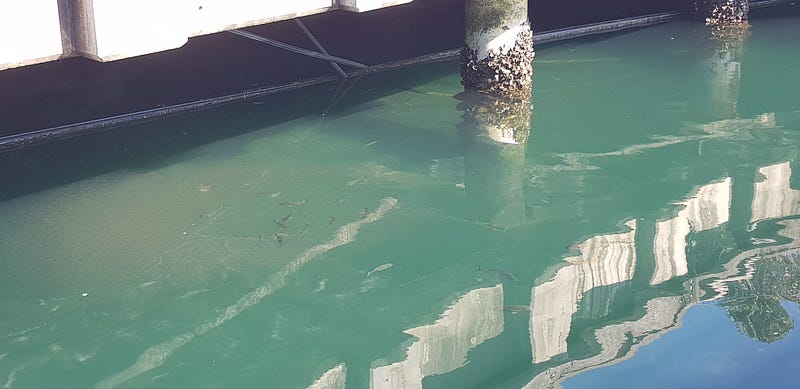
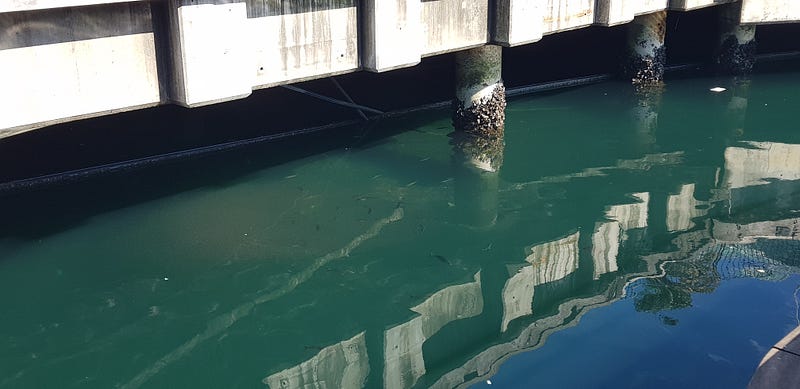
Fishes clearly visible in the usually murky waters of Darling Harbour (14/04/2020)

The true exception for this is of course the People’s Republic of China. As the epicentre of the outbreak for the rest of the world was first recorded in the city of Wuhan and their government’s lack of trustworthy data when it comes to informing the real statistics, research, and facts of the virus has caused millions of people around the world including its own people to distrust the information provided by their central government.

On a serious note, whether it is through negligence, or intentional weaponisation of the virus and the like. The impact of any pandemic against minorities, the poor, and the marginalised will always be greater than those who are part of the hegemony in one’s society.

Furthermore, the pandemic has revealed further weakness within our global economic system. The over reliance of centralised energy, material, and service sources, the logistical chains for supermarkets and fresh produce, the lack of socio-economical safety nets in places where uber-capitalist system still reigns where billionaires are still ridiculously amassing massive wealth at the expense of the pandemic. All of a sudden, the shift in global centres, social welfare and benefits redistribution, decentralisation of goods produce and services, digital space renaissance, hygiene practices, and environmental recovery (through the lack of human activities outdoors) have sprung-ed up, entirely challenging the way we live. It very clearly reveals those who are stubborn for change and those who are prepared for our future.

Many old ideologies begins to crack under pressure during this crisis, influential figures and politicians are for the first time, not immune from these invisible threats. No longer they’re above the mercy of destiny.

For most of us, if we weren’t previously exposed to different perspectives, mindsets, and experiences. To grasp most of these perspectives, challenges, and the stigma attached with it would be difficult. That being said, the importance of tuning into stories outside of our own bubble. It can’t be denied the terrible impact where millions of people are losing their livelihoods, border movement becoming nonexistent, and we become trapped in our own bubbles in various degrees. Those who are young, healthy, and living in a more remote areas of the world where the medical impact of the virus has been less felt are at an advantage towards building their future. Those who are old and are stuck in a dense urban area will be the most trapped, perhaps rudely virtue signalling of the inevitable.
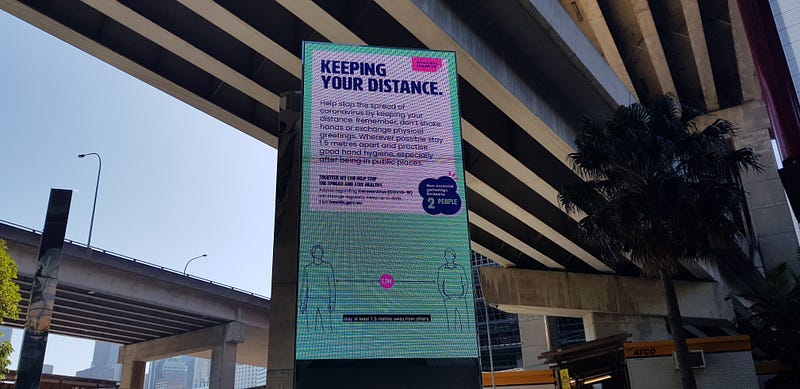
Physical distancing message below the overpass at Darling Harbour (14/04/2020)

There are so many voices of experts, politicians, influencers, or those who have experienced the worst of the crises. A lot of these voices tends to drown us out from the reality of so many others, particularly those who we don’t hear often. The voices of the ordinary, the marginalised and the ones who are quietly doing the change for the betterment of their society needs to be told. It is a fact that inspirations can come from anywhere if the stories are told well. Given my ability to make Video projects of my own and others, I think it is only appropriate to capture many of these voices around the world myself.

The project name is “Vision 2020 AD”

We’re standing at the cross-points of our humanity’s history. A global pandemic has abrupt-ed our world system to a standstill. It’s been more than 100 years since there’s been a worldwide pandemic that radically altered the landscape of everyone from around the world. For storytellers such as myself, capturing these raw moments in history in a time capsule is very important as our duty towards creating and envisioning the betterment of our collective future.
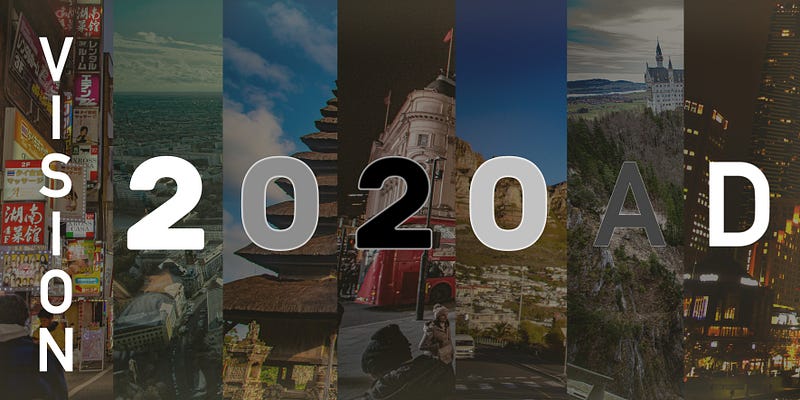
Upcoming Short Documentary “Vision 2020 AD” by Alfred Pek — Suling Productions

This project will explore the various splices of life of various people from around the world and showcase their hopes, dreams, and reflections upon their pasts and presents as we come to terms with this planetary change towards the future for 2020 and beyond. There’s bound to be something meaningful coming out of this, and we’d like to expand this privilege of listening to everyone’s perspective, stories, and thoughts from different places around the world.

More information will be coming soon! We are currently in the process of filming self recordings and video editing

Fortunately, since the 13th of April, I have secured a new job that are less stressful, my family are safe and sound. I have a roof and group of friends I can communicate digitally. However, besides this short documentary, my fundraising effort to complete my life’s work (so far) for the upcoming documentary called “Freedom Street” is on hold until further notice. Despite these setbacks, with where I am in the world, there’s plenty of things that I have gratitude for. Although, for some of my friends in Indonesia, and around the world, they are not so lucky. Some of them are trapped in their statelessness, poverty, age, domestic violence, homelessness, and economic burdens and such circumstances. I can only pray for their safety and well being.

We are truly living in uncertain times. But remembering that in this life, we cannot take everything for granted, and reminding ourselves that there’s plenty of things to be grateful for. As cliched as this sounds, we can always find gratitude in our lives no matter where you are, and in times like this, it is more important than ever that we practice them daily!

And with that, here’s to life and our resilience both individually and collectively in facing towards the future!
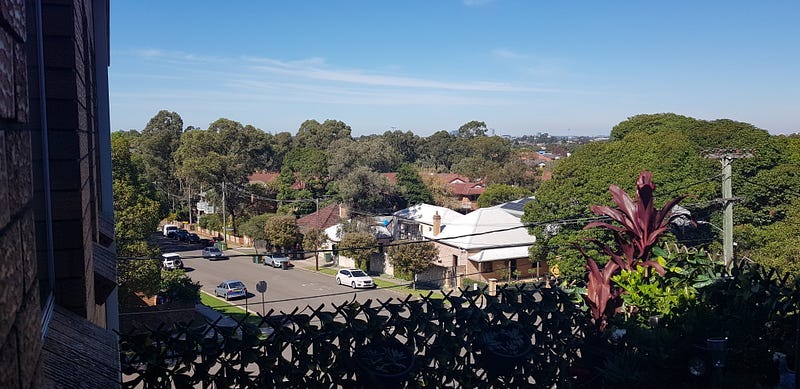
The view of my Balcony in Suburban area of North Parramatta, Australia (15/04/2020)

— This article acknowledges the traditional Owners of this land, the Darug people where this article was written.

Covid-19
2020
Documentary
Inequality
Future
Recommended from ReadMedium