
The Intersectionality of Control
Just as the diet industry perpetuates unrealistic ideals, alcohol companies target women and girls with calculated precision, contributing to a pervasive cycle of control and manipulation, but the impact goes far beyond gender.
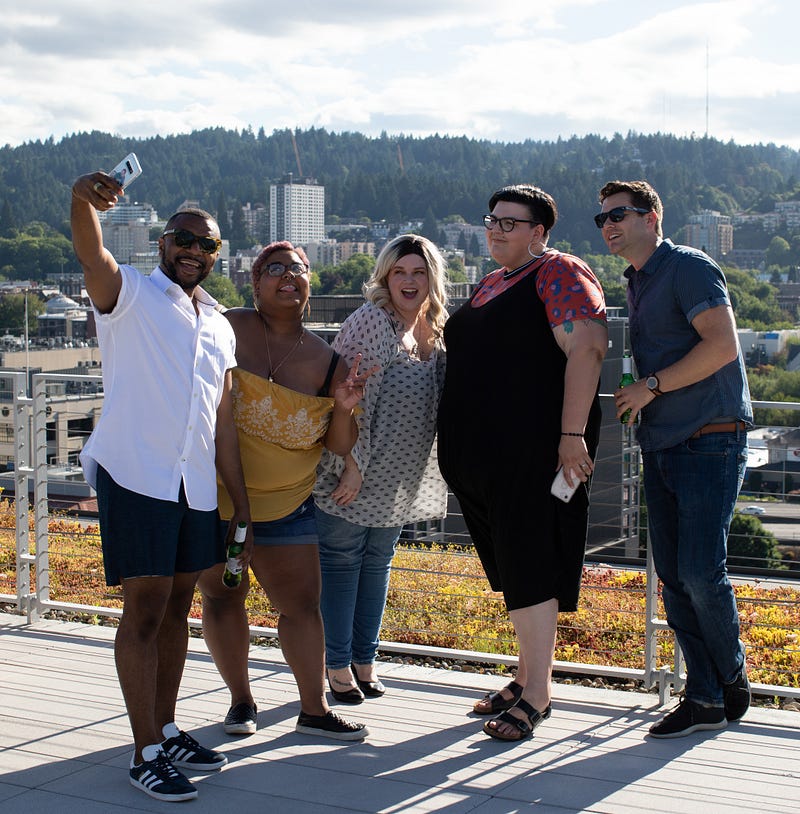
The intersection of dieting pressures and alcohol marketing creates a web of control that ensnares women from multiple angles. Society’s obsession with appearance drives women to diet, while the diet industry profits from their insecurities. Simultaneously, the alcohol industry exploits these same insecurities by promising an escape from societal pressures through alcohol consumption.
Author’s Note
This article delves into the multifaceted nature of Body Mass Index (BMI), dieting, and alcohol consumption, examining them through an intersectional lens that considers race, ethnicity, age, ability, and other identity factors. These intersections shed light on the ways in which people experience and resist the control that BMI standards, dieting pressures, and targeted alcohol marketing exert, and how they mirror each other in who they target and how they market. However, this is not a complete story. There are whole books written about these topics and intersections. Though we’ve tried our best to simplify and discuss these complex intersections in a way that is inclusive and accurate, we may have lost a little nuance, gotten some things wrong, or discussed an intersection important to you too briefly. Consider this a crash course overview—one that shouldn’t be ignored. We encourage you to share your thoughts and additions in the comments below.

Unveiling Intersectionality in BMI, Dieting, Alcohol Marketing, and Societal Control
The Body Mass Index (BMI) was introduced as a simple tool to gauge an individual’s weight relative to their height. Both medical professionals and members of the general public frequently use it to determine whether a person is underweight, normal weight, overweight, or obese. However, BMI is a blunt instrument, as it fails to account for various factors such as muscle mass, body composition, and overall health. This oversimplification has had far-reaching consequences, especially for women.
Societal Pressures on Women
Women have historically faced disproportionate pressure to conform to societal beauty standards, which are often linked to BMI. The media, fashion, and advertising industries have all contributed to the idealized image of a thin woman with low body fat percentages. This idea, based on the lower end of the BMI scale, fosters a culture of body shaming and dieting.
The Diet Industry’s Role
The diet industry has capitalized on these insecurities, bombarding women with a multitude of diets, weight loss supplements, and exercise regimes. The “thin is beautiful” message has been relentlessly marketed, causing countless women to embark on restrictive diets, which are often ineffective and unhealthy. Such diets can lead to a cycle of weight loss and gain, known as yo-yo dieting, that is harmful to both physical and mental health.
Health Implications
The relentless pursuit of an unrealistic BMI often results in a host of health issues. Extreme dieting, including restrictive eating and crash diets, can lead to nutrient deficiencies, eating disorders, and psychological distress. The obsession with BMI and weight loss can also contribute to body dysmorphia and low self-esteem, creating a vicious cycle that further fuels dieting efforts.
The Interplay of Identity and Societal Pressures
Race and ethnicity
The pressure to conform to BMI standards and dieting trends is not uniform across racial and ethnic backgrounds. Eurocentric beauty standards have disproportionately affected individuals from marginalized communities, leading to complex relationships with body image and health.
- Eurocentric Beauty Ideals: Historically, the media and the fashion industries have promoted Eurocentric beauty ideals, which are frequently associated with lower BMIs. These standards have placed undue pressure on individuals from racial and ethnic backgrounds who may not align with these ideals (Fredrickson & Roberts, 1997).
- Identity and Resilience: People from diverse racial and ethnic backgrounds have shown resilience by challenging these standards and promoting body positivity within their communities. Movements like the body positivity movement within the black community exemplify the power of intersectional resistance against societal pressures (Thompson et al., 2004).
Age and generational differences
Age plays a significant role in how individuals experience BMI expectations and dieting pressures. Different generations have distinct experiences and responses to these societal demands.
- Youth and Social Media: Younger generations, heavily influenced by social media, are exposed to unattainable beauty standards at an earlier age. This exposure can contribute to body dissatisfaction and a desire for drastic measures like extreme dieting (Perloff, 2014).
- Aging and Self-Acceptance: Older individuals may prioritize health and self-acceptance over conforming to BMI ideals. They often advocate for a more holistic approach to health that includes mental well-being and self-care (Serdar & Breitkopf, 2007).
Ability and disability
Society’s expectations around BMI and dieting can intersect with ableism, affecting individuals with disabilities.
- Ableism and BMI: Ableism can manifest in the form of unrealistic BMI expectations for people with disabilities. These expectations can exacerbate existing physical and mental health challenges, leading to discrimination in healthcare settings (Harris & Harrington, 2009).
- Resistance and Advocacy: Many individuals with disabilities have become advocates for body positivity and acceptance. They challenge the narrow definitions of health and beauty by celebrating diverse bodies and abilities (Scior & Furnham, 2011).

The Intersection with Alcohol Marketing
While the diet industry pressures women to conform to a particular body standard, the world of alcohol marketing compounds the problem by targeting women and girls with strategies that are eerily similar. The alcohol industry’s tactics exploit insecurities and vulnerabilities, contributing to a broader pattern of societal control.
Idealized Images in Alcohol Marketing
Just as the diet industry promotes a specific body image, alcohol companies often use images of slim, glamorous women in their advertisements. These images insinuate that consuming alcohol is synonymous with social success and attractiveness. The subtle message here is that drinking can help women achieve the idealized body and lifestyle they desire.
Gendered Alcohol Marketing
The alcohol industry has a long history of gendered marketing, with specific campaigns targeting women and girls. Brands frequently release low-calorie or “skinny” alcoholic beverages, capitalizing on the fear of weight gain associated with drinking. This marketing tactic reinforces the notion that women must prioritize their appearance over their choices, thus perpetuating the societal control exerted on their bodies.
The Role of Alcohol Marketing in Intersectionality
Just as BMI and dieting pressures intersect with various identity markers, alcohol marketing strategies also employ intersectional tactics to target specific groups.
Racial and ethnic targeting
Alcohol marketing often tailors its campaigns to different racial and ethnic groups, perpetuating stereotypes and reinforcing cultural norms.
- Stereotypes and Alcohol: Some alcohol advertisements perpetuate harmful stereotypes, particularly when targeting marginalized communities. These stereotypes can glamorize excessive drinking or promote a sense of belonging associated with alcohol consumption (Stueve & O’Donnell, 2008).
- Cultural Celebrations: Alcohol companies sometimes exploit cultural celebrations and traditions to market their products, reinforcing the link between alcohol and identity (Nelson et al., 2010).
Age and vulnerability
The intersection of age and alcohol marketing is particularly concerning when it comes to youth and underage drinking.
- Youth and Advertising: Alcohol companies frequently use youth-oriented advertising, making drinking seem fun, glamorous, and synonymous with maturity. This marketing can exert undue influence on young minds (Jernigan et al., 2017).
- Underage Drinking: The intersection of age and alcohol marketing raises critical concerns about underage drinking, which can have severe health and social consequences (Komro et al., 2010).
Accessibility and disability
Accessibility issues regarding alcohol, such as packaging, labeling, and marketing, can further marginalize individuals with disabilities.
- Barriers to Access: People with disabilities may encounter physical and communication barriers when accessing alcohol-related information or products. Inaccessible marketing and labeling can exclude this demographic (Chapman et al., 2018).
- Advocating for Inclusion: Disability advocates emphasize the importance of inclusive marketing practices that consider the diverse needs of individuals with disabilities (Siperstein et al., 2017).

Conclusion and Action Steps
Intersectionality of Control
The intersecting issues of BMI, dieting, and the manipulation of women through alcohol marketing reveal a troubling pattern of control and exploitation. Women are caught in a cycle where societal pressures dictate their appearance, dieting becomes the norm, and the alcohol industry capitalizes on their vulnerabilities. Breaking free from this cycle requires recognizing the harmful effects of these industries’ tactics and promoting a more inclusive and accepting society that values individuals for their health and well-being rather than their appearance.
An intersectional lens reveals the intricate web of identity markers that influence how individuals experience BMI expectations, dieting pressures, and targeted alcohol marketing. Acknowledging the multifaceted nature of these issues is essential for understanding the pervasive control and manipulation that affect marginalized communities. It is incumbent upon society to combat these intersectional challenges collectively, promoting inclusivity, body positivity, and responsible marketing practices. Only through such efforts can we hope to create a more equitable and accepting world where diverse identities are celebrated and respected.
Taking Action for Intersectional Change
It is crucial to raise awareness about the harmful consequences of these intersecting issues and to challenge the industries that profit from women’s insecurities. Only by acknowledging the systemic nature of these problems can we hope to dismantle the societal control and manipulation that impact the lives of women and girls. In doing so, we pave the way for a more equitable and healthier future for all.
This section outlines a range of practical calls to action that empower individuals and communities to contribute to intersectional change, fostering inclusivity, acceptance, and responsible practices in various aspects of life and society. Join us in the journey towards a more equitable and accepting world.
- Promote Inclusivity in Beauty Standards: Encourage a more inclusive definition of beauty that celebrates diverse body types, ethnicities, ages, and abilities. This can be achieved through personal affirmations and support for media outlets that portray realistic representations of individuals from various backgrounds.
- Educate Youth on Media Literacy: Advocate for media literacy education in schools and communities to help younger generations critically analyze and deconstruct harmful beauty standards perpetuated by the media and advertising.
- Support Age-Appropriate Discussions: Create spaces for intergenerational discussions about body image and self-acceptance. Encourage dialogue between younger and older individuals to foster mutual understanding and promote holistic health approaches.
- Advocate for Disability-Inclusive Practices: Raise awareness about the challenges individuals with disabilities face regarding BMI and dieting expectations. Support inclusive marketing and accessibility practices to ensure that no one is excluded based on their physical or cognitive abilities.
- Combat Racial Stereotyping in Alcohol Marketing: Challenge harmful racial and ethnic stereotypes perpetuated by alcohol marketing. Support campaigns that address these issues and raise awareness about the negative impact of such stereotypes.
- Promote Responsible Alcohol Advertising: Advocate for stricter regulations on alcohol marketing targeting youth and encourage responsible advertising practices. Support organizations and initiatives working to reduce underage drinking.
- Demand Accessible Alcohol Information: Raise awareness about the accessibility barriers faced by people with disabilities in accessing alcohol-related information and products. Encourage companies to provide accessible labeling and marketing materials.
- Community Engagement and Activism: Get involved in or support community organizations, movements, or initiatives that promote body positivity, inclusivity, and responsible marketing. Your involvement can help drive change on a local level.
- Educate Yourself and Others: Continuously educate yourself and others about the intersectional issues related to BMI, dieting, and alcohol marketing. Share articles, books, and resources that provide a deeper understanding of these challenges.
- Advocate for Policy Change: Engage in political action to advocate for policies that address these issues on a broader scale. This may include supporting legislation that regulates harmful advertising practices or advocating for more inclusive healthcare and education policies.
- Support Intersectional Movements: Recognize and support intersectional movements and initiatives that aim to challenge societal expectations and promote inclusivity and acceptance across various identity markers.
- Speak Up and Share Your Story: If you have personal experiences related to these intersectional challenges, consider sharing your story to raise awareness and connect with others who may be going through similar experiences. Your voice can be a powerful tool for change. We would love to invite you to write for Modern Sobriety or share your story in the comments below.
Remember that addressing these intersectional challenges requires collective effort and a commitment to creating a more equitable and accepting world. Each individual can play a part in challenging and changing societal norms and expectations.
A Collective Journey Towards Change
It's crucial to recognize that no single person can fully address the intersectional issues involving BMI, dieting, alcohol marketing, and societal pressures. The depth and breadth of these challenges necessitate widespread systemic and cultural change, which is, by nature, a collective endeavor.
However, it is through the concerted efforts of individuals, communities, organizations, and society at large that we can begin to address and dismantle these complex intersections. By working together, we can challenge prevailing norms, advocate for policy changes, and promote inclusive practices that foster acceptance and respect for diverse identities.
This journey towards change is a shared one, where every voice, action, and contribution plays a crucial role. Together, we can pave the way for a more equitable, compassionate, and accepting world for all.
Keep scrolling for more resources and works cited, and add your story in the comments below!
Resources and Further Reading
Further Reading:
- National Eating Disorders Association: Explore resources and articles related to eating disorders, body image, and recovery.
- Everyday Feminism: This platform offers articles and resources on various social justice topics, including intersectionality and body image.
- Racial Stereotypes in Alcohol Advertising: A research paper examining racial stereotypes in alcohol advertising.
- The Impact of Social Media on Body Image: Research on how social media affects body image, particularly among young people.
Taking Action:
- NEDA’s Take Action: The National Eating Disorders Association provides ways to get involved in advocacy and support for those affected by eating disorders.
- The Body Positive: An organization that promotes body positivity and offers workshops and resources to foster self-love and acceptance.
- Alcohol Justice: An organization dedicated to reducing alcohol-related harm through advocacy and policy change.
- Disability Rights Education and Defense Fund (DREDF): A nonprofit working to advance and protect the civil and human rights of people with disabilities.
Resources for Advocacy and Support:
- Ad Council: Love Has No Labels: A campaign that promotes inclusivity and acceptance of all people, regardless of their identity.
- Inclusive Marketing Toolkit: A resource for businesses and marketers to create more inclusive advertising and marketing practices.
- Body Image Movement: An organization dedicated to fostering positive body image and ending the global body-hate epidemic.
- The Trevor Project: An organization providing crisis intervention and suicide prevention services for LGBTQ+ youth.
While only a small selection of links are included above, these resources and organizations offer valuable information, support, and opportunities to take action, whether you’re interested in advocacy, self-help, or community involvement in addressing the intersectional challenges discussed in the article.
About the author
Dara Laine Murray is a multi-passionate sobriety writer whose words bridge the gap between personal narratives and data-driven insights. With an unwavering commitment to sobriety and a deep understanding of research, Dara weaves stories that are both relatable and rooted in statistics, offering a unique perspective on the journey to recovery.
By day, Dara serves as the Director of Research at a nonprofit organization, where her dedication to making a positive impact on the world shines through. Her work is characterized by a profound empathy for the human experience and a drive to leverage data for the betterment of society.
In her role as an editor at Modern Sobriety, Dara curates content that inspires and empowers those navigating their own paths to sobriety. Her keen editorial eye ensures that every story published on Modern Sobriety resonates with authenticity and purpose.
Dara’s writing is a testament to her commitment to sobriety and her passion for bringing data to life through storytelling. With every article, she invites readers to embark on a journey of self-discovery and growth, reminding us all that sobriety is a path worth celebrating.
Works Cited
Chapman, S. L., Wu, L. T., & Ettner, S. L. (2018) Substance use disorder treatment following a positive screen for illicit drug use: Disparities in access and treatment outcomes Drug and Alcohol Dependence, 190, 171–177.
Fredrickson, B. L., & Roberts, T. (1997). Objectification theory: Toward understanding women’s lived experiences and mental health risks Psychology of Women Quarterly, 21(2), 173–206.
Harris, J. E., & Harrington, B. (2009). Disability, gender, and intimate partner violence: Relationships from the Behavioral Risk Factor Surveillance System Sexuality and Disability, 27(1), 15–28.
Jernigan, D. H., Padon, A., Ross, C., Borzekowski, D. L., & Dodek, A. (2017). Exposure to alcohol advertising and teen drinking, Preventive Medicine, 100, 202–209.
Komro, K. A., Tobler, A. L., Delisle, A. L., Garrett, B. A., & Maldonado-Molina, M. M. (2010). Effects of alcohol-related prevention efforts over four years: Results from Project Northland. Preventive Medicine, 50(3), 183–189.
Nelson, J. P., Powell, L. M., & Holmes, T. P. (2010). An analysis of alcohol price sensitivity in the British off-trade Health Economics, 19(6), 627–642.
Perloff, R. M. (2014). Social media effects on young women’s body image concerns: theoretical perspectives and an agenda for research. Sex Roles, 71(11–12), 363–377.
Scior, K., & Furnham, A. (2011). Development and psychometric properties of the Disability Attitude Implicit Association Test, Disability and Rehabilitation, 33(15–16), 1348–1359.
Serdar, K. L., & Breitkopf, C. R. (2007). A multivariate model of women’s attitudes about weight gain in pregnancy Journal of Midwifery & Women’s Health, 52(1), 41–46.
Stueve, A., & O’Donnell, L. N. (2008). Early alcohol initiation and subsequent sexual and alcohol-risk behaviors among urban youths American Journal of Public Health, 98(5), 869–876.
Siperstein, G. N., Nor, A. M., Mohler, A., & Parker, R. C. (2017). Measuring physical accessibility to tobacco retailers: The case for considering proximity alone Tobacco Regulatory Science, 3(2), 187–198.
Thompson, J. K., Heinberg, L. J., Altabe, M., & Tantleff-Dunn, S. (2004). Exacting beauty: theory, assessment, and treatment of body image disturbance. American Psychological Association.