
The Internet’s Silence on Brown Women Issues
Despite the expanding conversation on gender equality and balancing life with a job, the particular difficulties faced by women of color, and brown women’s struggle get lost in larger storylines.
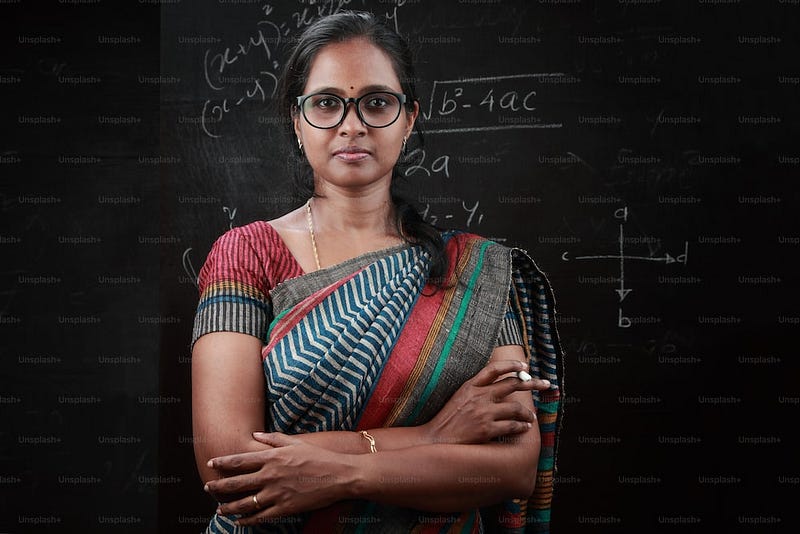
The web has developed into a potent forum for spotlighting social issues and fostering evolution in this era of digital connectedness. Nevertheless, a major problem that frequently goes unnoticed is the difficulty that brown women, especially those in South Asia, have finding a work-life balance. Despite the expanding conversation on gender equality and balancing life with a job, the particular difficulties faced by women of color in this area can get lost in larger storylines.
South Asian women deal with a variety of problems related to balancing work and many of which are caused by societal standards and firmly set cultural conventions. Emotions of shame and exhaustion might result from juggling conventional obligations as caretakers and homemakers with desires for a career.
The difficulties are exacerbated by the absence of versatile employment opportunities and the scarcity of adequate assistance networks. Women’s attempts to have balanced lives are hampered by gender differences in employment, an unequal division of family duties, and societal demands to fit into specific obligations.
To contribute my part to the well-being of working brown women, being a brown woman, I’m aiming to shed light on why the internet lacks sufficient attention to this significant issue and its impact on brown women in South Asia.
Cultural Norms and Stigmas
Traditional beliefs and customs are firmly ingrained in South Asian communities, which may maintain gender roles and demands. Women struggle to strike an appropriate balance between work and life because they are frequently obligated to put their family’s needs ahead of their jobs. Sadly, the internet, which is affected by worldwide viewpoints, might not understand the complexities of these local nuances, causing a misunderstanding of the unique difficulties experienced by brown women in the area.
Lack of Representation
To shape perspectives and comprehend the realities of many populations, portrayal is important. The exposure of brown women’s hardships is hampered by the absence of their stories in traditional media and internet forums. Their worries about maintaining a work-life balance are hence less inclined to be brought up and effectively handled. To draw awareness to the particular difficulties South Asian women confront in juggling their personal and professional life, greater visibility and various viewpoints are essential.
Language Barriers
The majority of internet content is in English, which might be a hurdle for groups who do not know English, involving many in South Asia. Brown women who speak about their encounters in their native tongues can discover that their tales are only shared with a limited internet audience, restricting their influence. Closing a language barrier can be crucial for magnifying these women’s perspectives and elevating their problems in international debates.
Online Harassment and Misogyny
Particularly for women, social media may be an unfriendly atmosphere. South Asian brown women frequently encounter online discrimination, misogyny, and stereotypes, that might discourage them from being honest about their challenges and individual stories. The absence of portrayal and exposure regarding their work-home balancing concerns could be further exacerbated by their tendency to silence themselves out of their dread of criticism and judgment.
Dominance of Mainstream Narratives
The majority of mainstream media focuses on broader gender equality problems, that might not adequately represent the nuanced nature of the unique difficulties encountered by brown women in South Asia. Due to the marginalization of their knowledge, it is difficult for these women to discover their voices and connect with wider audiences. Successfully addressing the multidimensional problems faced by brown women requires expanding the narrative by incorporating viewpoints from many geographic areas.
Work-life balance is crucial for women globally, especially for brown women in South Asia. The internet can help amplify their stories and raise awareness. We can start closing gaps and creating a more welcoming and encouraging social network for brown women in the area by tackling cultural expectations, supporting portrayal, resolving language difficulties, eliminating online harassment, and broadening stories. We can only build a fairer tomorrow in which no woman’s suffering remains ignored or unacknowledged by working together.
Adrienne Gibbs and Maia Niguel Hoskin, Ph.D.
If you find the post relevant, informative, and interesting, and want to appreciate my work you can buy me a coffee 🙂