
The ‘Instagram Hair’ Trend Is Yet Another Weapon Against Womens’ Right to Bodily Autonomy
Hair CAN just be hair
My hair is everything Instagram hates.
It’s thin and a non-descript length. It’s so straight it couldn’t hold a wave if its life depended on it. Despite it being a shade of blonde, many women have ruined their hair to achieve, I’m often told by hairdressers it would look better dyed “to brighten it up”.
Instagram hair is another beast entirely. If you’ve not come across the term before, this hair blog sums it up:
Instagram hair entails a post that typically only showcases the partial face of the subject. She looks away from the camera and displays perfectly “lived in” loose waves that showcase her hair color’s depth and shine. The post must look natural but also show expert cutting, styling and coloring skills.
Instagram hair has become such a thing you can even find tutorials on YouTube.
And there are so many things that are wrong with it, it’s hard to know where to start.
So I’ll start here.
This trend is everything we’re taught hair should be. Perfect. Long. Expertly styled.
And intensely feminine.
All women know that even though this shouldn’t be the case, hair is never just hair.
It’s a statement.
All Instagram hair does is dictate exactly what that statement should be, regardless of who you are or your hair.
Instagram hair is Disney princess hair for the social media age
When I was a kid, I wanted hair like my favourite Disney Princess — Jasmine from Aladdin.
Never mind that she was, y’know, a cartoon character, I wanted that long, thick black hair.
I would longingly stare at the black box dye in the supermarket. I would buy all the hair-thickening products I could purchase with my pocket money. I willed my hair to grow.
You know who I didn’t want to be? Snow White. Her hair was so short.
This was the 90s. I was pre-teen and yet still bombarded with ideas of romantic love from every available entertainment outlet. Getting a boyfriend was top of my wish list, and I assumed no boy would want me if I had short hair.
Whilst that sounds batshit to me now, all I was doing was manifesting a classic beauty standard. That women should have impossibly thick, long, Disney princess-style hair.
(And I’m convinced it’s not a coincidence that Snow White is one of the least popular Disney princesses of all time).
Despite this no longer being 1992, things in the beauty realm have not moved much beyond fetishizing princess hair.
Only now it’s gone online and renamed itself Instagram hair.
I can’t open the app without seeing someone sporting perfectly styled curls only made possible by a lot of product, money, and time. A quick glance over the #hair hashtag (with over 247 million posts) shows thousands of examples.
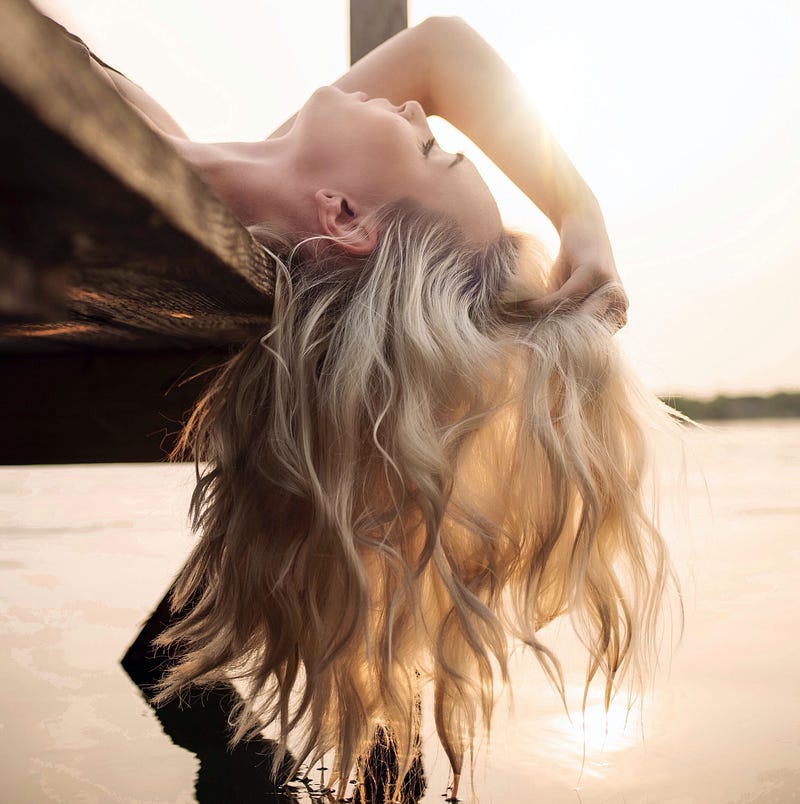
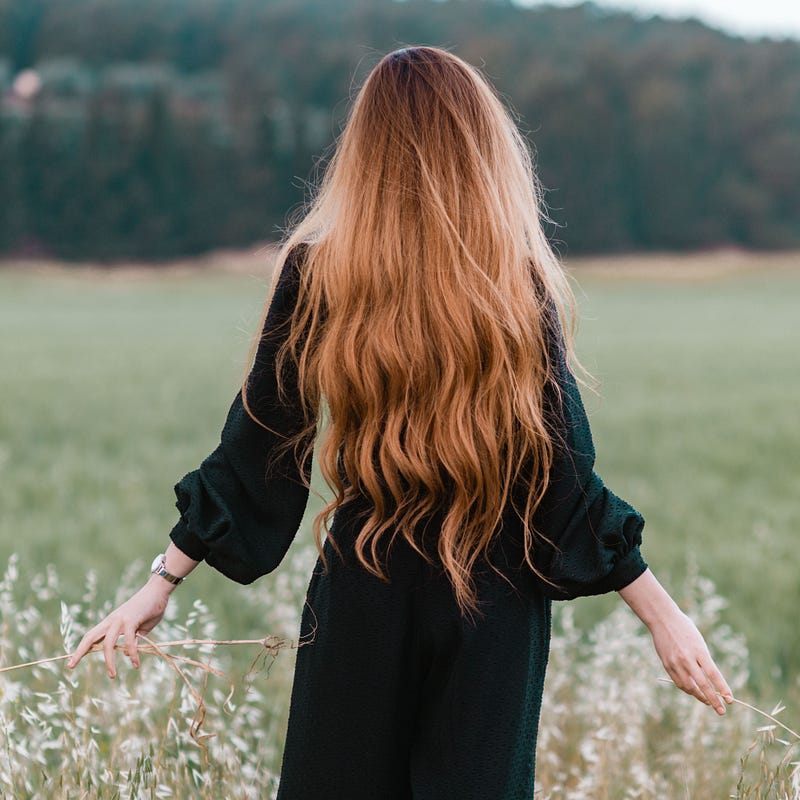
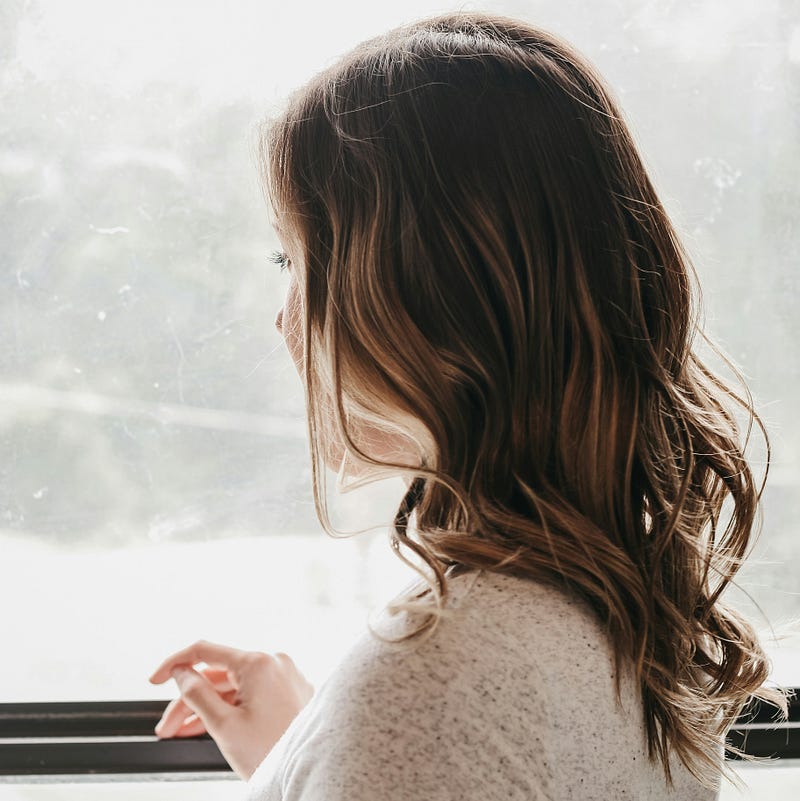
Instagram hair is Disney hair for the social media age. And it makes us feel just as bad as Disney did back in the day.
The link between women’s low self-esteem and their social media usage is well documented — and that includes hair. Unsurprisingly, this feeling is compounded for non-white women because social media leans towards the Eurocentric ideal of beauty.
Beauty ideals that are largely there to serve men.
Men’s preference for long hair has unfortunately proven to be true by many a study. Men believe long hair makes you look healthier, more fertile and, more disturbingly, reminds them of prepubescent girls who tend to sport longer hair (ew).
Instagram hair is no different.
Here’s an example. Ever heard of the Lord Farquaad haircut?
It’s an insult reserved for women who cut their hair into a straight, jawline-length bob. Just ask Kim Kardashian — the internet declared she rocked big Lord Farquaad vibes when she cut her hair last summer.
The inference is if you don’t have long, flowing hair, you look like a man. And not just any man, the villain. The one who deserves their comeuppance.
This is what we have to contend with. This is why Instagram hair is such a damaging concept. It pits women against a near-impossible beauty standard and demonises anyone who dares to step out of line.
Hair can just be hair
We have been conditioned to believe that our hair makes up part of our identity.
But if that’s the case, why are women told all hair should look the same? There’s no accounting for differences in thickness, length, curl, colour, or texture. It’s Instagram hair or nothing, honey.
Woe betide anyone who steps outside the realms of socially acceptable hair. Just look at what happened when Britney Spears shaved her head. People thought she was literally going mad but Britney herself said she picked up the clippers for a very different reason:
My long hair was a big part of what people liked — I knew that. I knew a lot of guys thought long hair was hot. Shaving my head was a way of saying to the world: F — — you. You want me to be pretty for you? F — — you. You want me to be good for you? F — — you. You want me to be your dream girl? F — — you.
No one tells women their hair can be exactly what they want it to be. Long. Short. Shaved. Unstyled. Unwashed. Undyed.
No. It’s perfection or nothing.
Never mind if your hair won’t grow or you have alopecia.
Never mind if you can’t afford an expert cut and colour every six weeks or you don’t have a spare $600 to spend on the Dyson Airwrap.
Never mind if you don’t have time to style your hair every day.
Never mind if you’re not white, so your hair can’t adhere to Eurocentric standards.
Instagram has spoken. And everyone knows when it speaks, we all listen.
When it comes to hair, I’m firmly in the camp of you do you. But as the acclaimed The New York Times writer Aubrey Hirsch says in her excellent The Trouble With the Male Gaze essay:
Do *I* like my hair like this, or am I just aware Instagram likes my hair like this?
Women are so used to doing things just because society tells them they should it can be impossible to untangle (pun intended) our wants and desires from society’s. And what is social media if not a societal barometer?
But social media doesn’t know jack. It doesn’t care about you, and it doesn’t know your hair.
So why let it dictate the way you style yours?
Women have always been told that their hair has to adhere to certain man-friendly standards.
They have their hair held hostage by their partners who say they won’t find them attractive if they cut it. In her excellent essay Bob, beauty journalist Rebecca Humphries says:
I actually — and this gives me the ick even typing it — know women, clever women, sexy women, whose partners have made them promise to never get their hair cut short. An ex partner once said it to me too.
We’ve been conditioned to believe that long hair is the only way to feel attractive and Instagram hair exploits that.
I’m not here for this. You shouldn’t be either.
Despite that, when my late-night anxiety kicks in, I’ve been guilty of Googling curling irons.
Then I remember that when it comes to hair, I have always been — and always will be — lazy. Like I want to spend a good portion of my morning curling my hair. That’s why right this minute, it’s airdrying from the shower where I stuck a $4 shampoo on it and nothing else.
I’ve permitted myself to care less about my hair and that hasn’t made me any worse at my job or a lesser wife, sister, or daughter.
It’s not made me less of a person.
I’m not interested in having Instagram dictate how I should look any more than it already does. I will do my hair how I like it and within the realms of its capabilities.
Screw Instagram hair and all it stands for.
Who’s with me?
Thanks for reading! Follow me across the internet here


