
The Insanity of Body Positive and Why Need to Take about “Fat Acceptance”
The health crisis in America is worse than you think
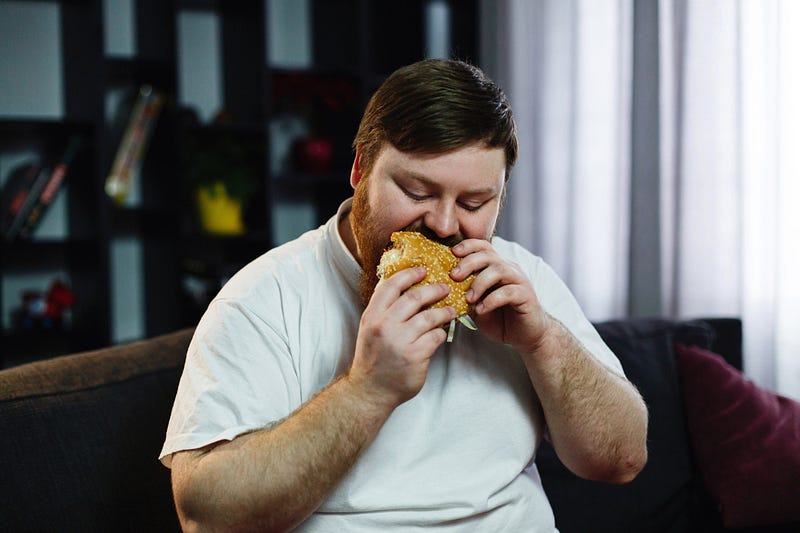
A few months ago, when I told my girlfriend I was writing an article about body positivity she told me not to because I would get a lot of backlash.
I took her advice and trashed the draft I had written on it. But something kept bugging me about my silence.
I wasn’t comfortable watching the deceit of fat-positive influencers. I was once overweight and if people had not shamed my fat ass, I would have probably died from obesity.
So it seemed right for me to share my experience and why we need to hold body positivity influencers responsible for the deaths and deceit they spread in the hearts of people.
How we use our voice can either save or kill life. I think social media has become a powerful tool for communication and we should be mindful of how we use our platform.
Anyway, back to my story.
Back in February 2015, I was overweight, hitting my highest at 205 pounds. I felt lazy, hated shopping, and barely fit my clothes. I didn’t realize how much weight I had put on until I had a body scan in November of the same year.
I was an unhappy girl with no self-esteem, trapped under loose t-shirts and baggy jeans.
Desperate to lose weight just to be normal. I had no idea it was going to be a journey to discover myself, freedom and joy.
My weight loss success was not an overnight achievement. I didn’t take any magic pill to transform my body.
My journey was more like a roller coaster of trials, lots of mistakes, and a collection of small milestones along the way, which ultimately resulted in more than I expected.
However, what fueled my determination to lose weight wasn’t just the humiliation I received when I walked on the streets but the health challenges I experienced.
I started gaining weight after my daughter was born. I became depressed and ignored medical advice to be physically active. I would binge eat when I’m upset or lonely.
Food was like therapy and I didn’t care if I lived or die.
By the time I grew to 170 pounds, my health started depreciating. First, I started having indigestion. Because I lie down to eat most times, my food would take longer to digest.
Then came the heartburn. I couldn’t bend or sit for 2-minutes without running out of breath. My body would ache constantly as if my skin had been torn from the inside.
I would eat small amounts of food when I go to restaurants or not eat at all to avoid embarrassment because I was eating heavy portions.
Despite my increasingly high blood pressure and sleeping sickness, I still did not take my body weight seriously. I slowly increased in weight.
After I was diagnosed with Fibromyalgia, an illness that causes chronic fatigue and depression, I knew I had to do something about my weight.
I began searching for weight loss materials. I would watch fitness instructors online and follow their exercises.
Swimming was the only cardio exercise I could easily so it became my regular exercise. I restricted my calories with the Keto Diet. I stopped making excuses as to why I could move around and started performing small chores in the house.
I made sure I was doing things I could do myself like laundry, cooking and cleaning instead of leaving for my siblings to do.
Gradually, every day was less challenging than the next day. Within six months, I had lost 40 pounds and was in my normal weight range of 150 pounds for a 5’7.
I know the pain and struggle I went through when I was obese that’s why I get triggered when I see fat-positive influencers promote obesity as a healthy body weight.
Obesity is dangerous and should be taken seriously. It’s unfortunate that some of the fat-positive influencers died due to their false beliefs before their followers took their health seriously.
The belief that you can be “fat but fit” is deceitful because being overweight slowly damages your metabolism and organs. You risk dying early through heart attack, cancer, diabetes, lung problems, stroke and other cardiovascular diseases.
Our society makes it easy for people to delude themselves. One study conducted in 2015 discovered only 22% of obese women and 7% of obese men were not aware they were obese. While 80% of parents said their children with a BMI of over 30 were in a normal weight range.
We have become too sensitive and take constructive criticism negatively. People who exercise regularly are called fitness freaks or fat phobic so some avoid working out at gyms or speaking out about the dangers of excess body weight.
But Why Is Obesity Increasingly Higher in America Compared to Other Countries?
America’s health crisis has been a serious concern for everyone for health officials. With no signs of change, the rate of obesity continues to rise more than in other countries.
When you take in more calories than you burn, you gain weight. By 2010, Americans consumed 20 percent more calories compared to 1970, according to The New York Times.
But what could be the reason for the growing number of obesity in America and what can we do to mitigate this problem?
Additives in the food are designed to make us hungry
Ever wondered why you can stop eating chips once you open one pack until it’s finished? Researchers revealed that ingredients like propionate in most snacks and processed food stimulate hunger hormones making us eat more calories and increasing obesity.
Our foods are heavily processed, containing high calories, sugar, fat and preservatives. Since Americans largely depend on processed food, studies show that eating just 250 calories a day will add 26 pounds to your body in one year.
The average adult woman is expected to consume 1,785 calories per day and the adult man, 2,640 per day. However, 25 percent of adults underestimate how many calories they consume a day maybe up to 3300 calories per day.
Americans consume more grain-based desserts, alcoholic beverages, soda and sugary drinks which are packed with lots of calories and preservatives, which contribute to obesity.
Eating too much food with little exercise
According to Time magazine, only 28 percent of Americans meet the recommended target for aerobatic and muscle growth exercise by health officials.
Moderate exercise increases heart rate, strengthens the muscles and reduces the risk of cardiovascular disease. Health officials advise getting 20 minutes of moderate exercises a day and muscle training 2 times a week.
However, most Americans live a soft life. We have no leisure time for outdoor activities like running, walking, or hiking that can boost our heart rate. We prefer driving to anywhere. Either to work, mall or even to pick up a bottle of milk.
Too much driving means less walking and less physical exercise. We sit more, Netflixing, playing video games, working on the computer and other convinces such as shopping online.
Lack of active exercise helps increase the risk of obesity, while on the other hand, being active improves mood, boosts energy, promotes better sleep, controls and prevents weight gain, builds strong bones and muscles and reduces the risk of chronic diseases. It can also help you live longer.
Eating too much fast food packed with calories
The fast food industry contributes to obesity in America. McDonald’s fast food chain changed the entire food industry. People were able to pick their food to go or order online and have it delivered to their homes and offices.
Thanks to its 36,000 locations in over 100 countries McDonald’s rose to become a staple for most homes. Over the years restaurants have copied the fast food format to deliver food to customers easily.
When the food industry could no longer retain their customer’s hunger with small food portions they introduced the Plus Size drinks and food forcing people to eat more calories than their body should consume.
For example, the McDonald’s Super Size Burger was criticized for promoting an unhealthy diet after a documentary showed that the big burger contained 3x calories — that is 400 cal more than a normal size burger and deteriorated consumers’ health.
Due to bad press and a decline in the company’s sales, McDonald’s had no choice but to cancel the Super Size Burger from their menu.
Obesity is a productive market
Processed food makes up more than 50% of the calories in our diet. An average consumes about 500 calories a day from chips, bread, cookies, chocolate, doughnuts, fried food and soda.
A new study found that a higher intake of ultra-processed food increases the risk of heart disease and type 2 diabetes. Despite processed food being unhealthy for consumers, the diet industry continues to shove these foods down our throats.
Also, the high cost of healthy food pushes people to make poor health choices. Especially people living in poorer neighbourhoods. They would rather buy a box of candy containing 2000 cal for $1 than fresh strawberries containing 40 cal for the same price, $1.
Lack of economic resources deprives people of affording healthy food or workout clothes. They don’t have the time to exercise because they work round the clock to earn more paychecks.
They don’t live in neighborhoods where it’s safe to go for a walk. And they don’t have backyards where they can grow fresh fruits or vegetables.
People with obesity are victims of the system that capitalizes on fat diets and poor health. So if we want to fix the problem of obesity, we need to stop patronizing foods that promote fat positivity.
Thank you for reading. Check out more of my health and fitness stories here. You may consider subscribing for unlimited access to more stories like this.


