
The Inner Workings of a Watch: Understanding How Time is Told
Exploring the Different Components and Movements of a Watch
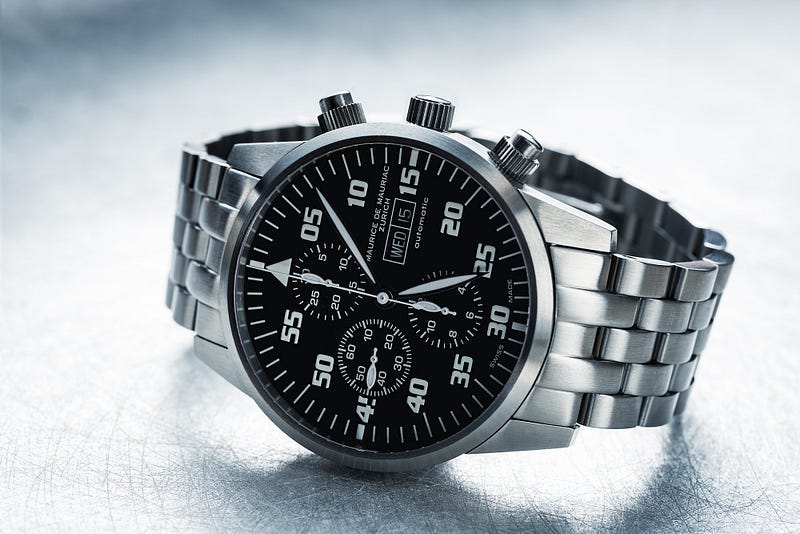
A watch is a small timepiece that is typically worn on the wrist. It is used to measure the passage of time and can be a useful tool for keeping track of appointments, meetings, and other important events. But have you ever wondered how a watch tells time? In this article, we will explore the different components and movements of a watch and understand how they work together to keep time.
The Components of a Watch
A watch is made up of several components, including:
- The case: This is the outer covering of the watch that protects the movement and other internal parts. It can be made of materials such as stainless steel, gold, or titanium.
- The movement: This is the mechanism that powers the watch and controls the movement of the hands. It is the “engine” of the watch.
- The crystal: This is the clear cover that protects the dial and the hands. It can be made of materials such as mineral glass or sapphire crystal.
- The dial: This is the face of the watch that displays the time. It can be simple or complex, with additional features such as a date display or a stopwatch function.
- The hands: These are the pointers that indicate the time on the dial. They can be made of different materials such as steel or gold and can have different shapes.
The Movements of a Watch
There are two main types of watch movements: mechanical and quartz.
- Mechanical watches use a mainspring to power the movement, which is wound by hand or by a self-winding mechanism. The mainspring stores energy and releases it slowly to power the movement. The gears and wheels then use this energy to drive the hands on the dial, which indicate the time. “A mechanical watch is like a living organism, it requires care and maintenance” says watch enthusiast Joe Smith.
- Quartz watches, on the other hand, use a battery to power the movement and keep time. Inside the watch, there is a quartz crystal that vibrates at a very high frequency when it is electrically stimulated. This vibration is then used to drive the hands on the dial, which indicate the time. Quartz watches are generally more accurate than mechanical watches because the quartz crystal oscillates at a very high frequency and is less affected by external factors such as temperature and humidity.
A watch is a useful tool for keeping track of time, and it is composed of several components such as the case, movement, crystal, dial, and hands. The two main types of watch movements are mechanical and quartz, each having its own way of functioning. Understanding how a watch works can help you make a more informed decision when purchasing one, whether it’s for practical or fashion purposes. Whether you choose a mechanical or a quartz watch, both types have their own charm and appeal, and both are great options for keeping track of time.


