
The Influence of Social Media on Self-Image and Relationships
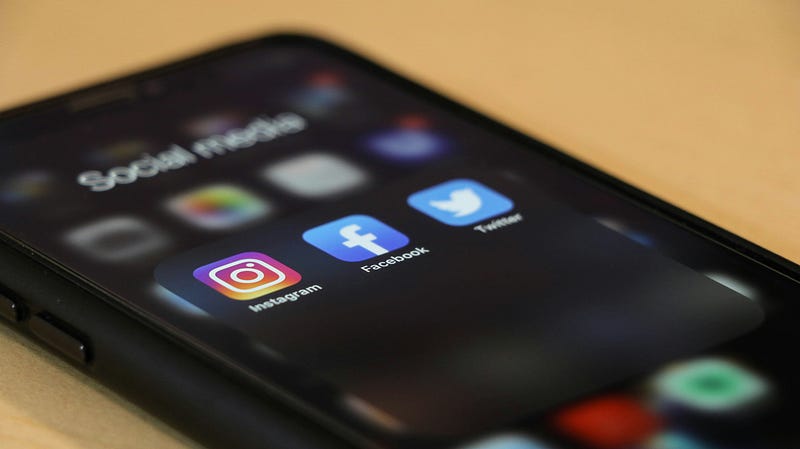
Growing up, the notion of self and identity seemed straightforward, largely defined by physical interactions and real-world experiences. However, as digital platforms became ubiquitous, the simplicity of self-perception began to morph into a more complex mosaic of online personas and real-life identities.
With all its differing offerings for self-expression, social media introduced new dynamics in the understanding of self and the navigation of relationships.
Initially, I found social media to be a vibrant set of spaces to connect, share, and learn. The thrill of likes, comments, and shares was undeniable, and a tangible measure of acceptance and belonging. Yet, as I know refelct, beneath the surface of these digital validations, a subtle shift began to occur relatively early in my experience, in how I viewed myself and my interactions with others.
The curated lives showcased on social media platforms began to blur the lines between reality and aspiration. With the endless stream of picture-perfect moments, achievements, and milestones of peers seemingly living their best lives, in me was cultivated a sense of inadequacy. While the digital mirage was certainly mesmerizing, it started to erode my self-esteem, leading me down a path of constant comparison and self-doubt.
Again, hindsight is 20/20 of course. But the realization of social media’s influence on my self-perception was an important moment. It was a moment in fact years in the making, but ultimately it did dawn on me that the essence of who I am should not be contingent upon the approval or validation of others, especially within the ephemeral spheres of digital platforms.
To fix the issues raught though, I had to make a conscious effort to detach my worth from the likes, shares, and comments that once seemed so vital. And parallel to this internal struggle with self-image I had to completely reset my relationship with social media and the nature of my relationships on it.
For all its promise of connectivity, I think the biggest step was made after I had come to the conclusion that social media often felt like a hall of mirrors, reflecting fragmented versions of genuine connections. I remember reflecting on the reductive nature of relationships that lacked the nuanced tone, expression, and body language you would expect from “real” relationships — now often reduced to text on a screen, emojis, and curated images.
The dichotomy of being more connected yet feeling more isolated was, I realized, striking. Friendships and relationships that flourished in the tangible world began to feel superficial under the weight of digital interactions. And my longing for authentic connections, for the warmth of a voice or the comfort of a presence, grew stronger.
Ultimately, it became evident that the convenience of digital communication could not fully satiate my need for deep, meaningful connections.
This realization propelled a shift in how I engaged with social media and how I nurtured my relationships. I made the determined choice to use social media as a tool for connection only rather than a yardstick for self-worth or the sole medium for relationships. Reaching out beyond the digital realm, making efforts to spend quality time in the physical presence of friends and loved ones, infused a renewed sense of authenticity into my connections.
Now, of course all of these processes / decisions I’m describing are of course ongoing ones. I do in fact still struggle with self image at times, and I’m sure social media still has its role in that respect. The challenges of distinguishing between online personas and real-life identities, of finding genuine connection in a digitally saturated world, remain pertinent.
Yet, I guess the point I’m perhaps rather badly attempting to make is that conscious engagement with digital platforms is important — grounding self-perception in reality rather than virtual validations, and cherishing the irreplaceable depth of real-world relationships is something we should be making conscious choices to aspire toward.
Social media does ultimately remain a double-edged sword — a platform capable of encouraging connection and community, yet equally adept at distorting self-image and diluting the essence of interpersonal bonds.
Mindfulness is important, alongside a deliberate effort to harness the positive aspects of these platforms while mitigating their potential pitfalls.


