
The Influence of Social Media on Politics and Democracy
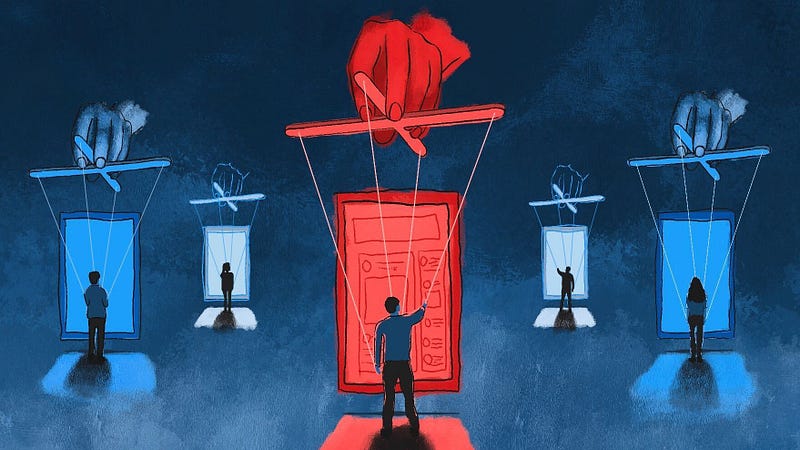
The advent of social media has brought about a revolutionary transformation in the way politics and democracy function.
While it has empowered individuals to engage with political discourse like never before, it has also introduced a host of complex challenges.
In this article, we explore the profound influence of social media on politics and democracy, examining both its benefits and the associated concerns.
The Power of Social Media
Social media platforms, such as Facebook, Twitter, Instagram, and YouTube, have fundamentally altered the landscape of political communication and participation. Here are some key ways in which they have reshaped politics:
1. Instantaneous Communication: Politicians and leaders can instantly reach millions of followers, enabling rapid dissemination of information and messages.
2. Global Reach: social media transcends geographical boundaries, allowing politicians to engage with a global audience.
3. Direct Interaction: Citizens can directly engage with politicians, fostering a sense of accessibility and accountability.
4. Information Sharing: News and political content are easily shared, allowing users to become content distributors themselves.
The Positive Impact
Social media has undeniably had several positive impacts on politics and democracy:
1. Engagement: It has encouraged greater civic engagement, especially among younger generations who are more likely to get involved in political discussions.
2. Information Access: Social media provides access to a wide range of political information and viewpoints, enabling a more informed electorate.
3. Mobilization: It has played a pivotal role in political mobilization, as seen in movements like the Arab Spring and Black Lives Matter.
4. Transparency: Increased transparency in government operations and policies, as public officials are held more accountable.
The Concerns and Challenges
However, the rise of social media in politics has also raised a set of concerns and challenges:
1. Disinformation and Fake News: The spread of false or misleading information can have detrimental effects on public discourse and elections.
2. Echo Chambers: Social media algorithms often reinforce users’ preexisting beliefs, leading to the creation of echo chambers where diverse perspectives are limited.
3. Polarization: It can contribute to political polarization, as extreme views gain traction in an environment that rewards sensationalism.
4. Privacy: Concerns about data privacy and the misuse of personal information for political purposes have arisen.
Regulation and Responsibility
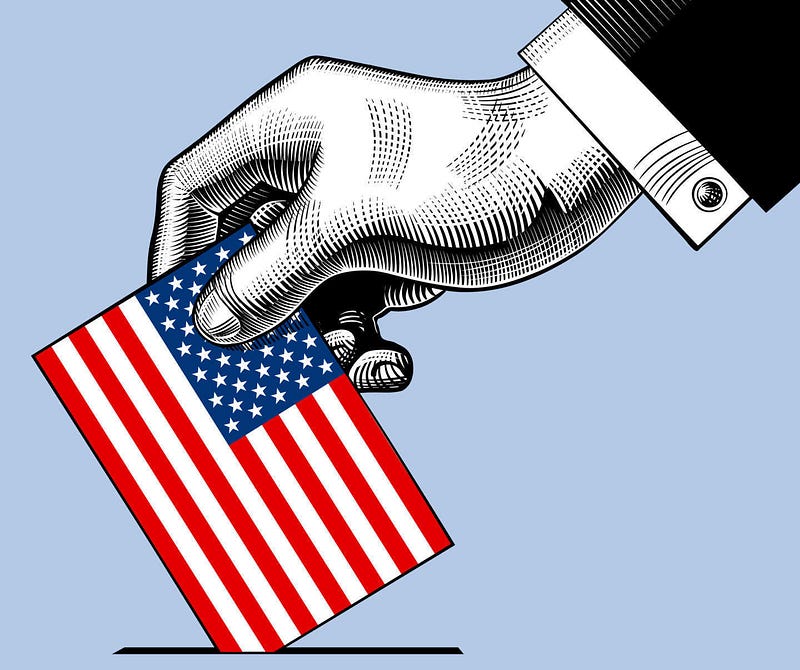
The influence of social media on politics has prompted calls for regulation and ethical responsibility:
1. Content Moderation: Platforms face the challenge of balancing freedom of speech with the need to curb hate speech, disinformation, and incitement to violence.
2. Transparency: Demands for greater transparency in political advertising and content recommendations are on the rise.
3. Data Privacy Laws: Governments are enacting data privacy laws like GDPR to protect citizens’ personal information.
4. Fact-Checking: Fact-checking organizations play a crucial role in verifying information and countering disinformation.
The Future of Social Media and Politics
The intertwined relationship between social media, politics, and democracy is here to stay. The future will likely see ongoing debates and developments in areas such as:
1. Regulation: Stricter regulation of social media platforms to combat disinformation and protect user data.
2. Algorithmic Transparency: Greater transparency in how algorithms curate content and its impact on political discourse.
3. Civic Tech: The development of civic technology to enhance digital democracy and civic participation.
4. Media Literacy: Education programs focused on media literacy to empower individuals to discern credible sources from misinformation.
Social media’s impact on politics and democracy is undeniable. It has democratized political discourse, empowering individuals to engage with the political process in new ways.
However, it has also given rise to a range of challenges, from disinformation to privacy concerns. The future will depend on how societies, governments, and tech companies navigate this complex terrain, ensuring that the benefits of social media for politics and democracy are harnessed while mitigating its negative consequences.