
The Infectious Nature of the Yawn
When Sleepiness Spreads Like A Virus

Have you ever noticed that when someone around you yawns, you suddenly feel an urge to yawn yourself? Yes! Yawning is contagious, and scientists have some fascinating explanations for this phenomenon.
When you see someone yawn, it triggers particular areas in your brain related to motor imitation and behavior copying. Your brain detects the yawn and essentially recreates the same experience by making you yawn as well. This “contagious” effect is an example of an automatic response that happens unconsciously.
The Mirror Neurons
Part of the reason yawning spreads between people so easily is because of “mirror neurons” in our brains. These specialized brain cells fire both when we act ourselves, like yawning, and when we observe someone else performing that same action.
The mirror neurons allow us to recreate and mimic the behaviors we witness, leading to shared reactions like contagious yawning.
Interestingly, humans aren’t the only ones vulnerable to catching yawns from others. Many animals, including chimpanzees, dogs, birds, and even reptiles, display contagious yawning too. This suggests that the ability to “catch” yawns may have an evolutionary basis and purpose.
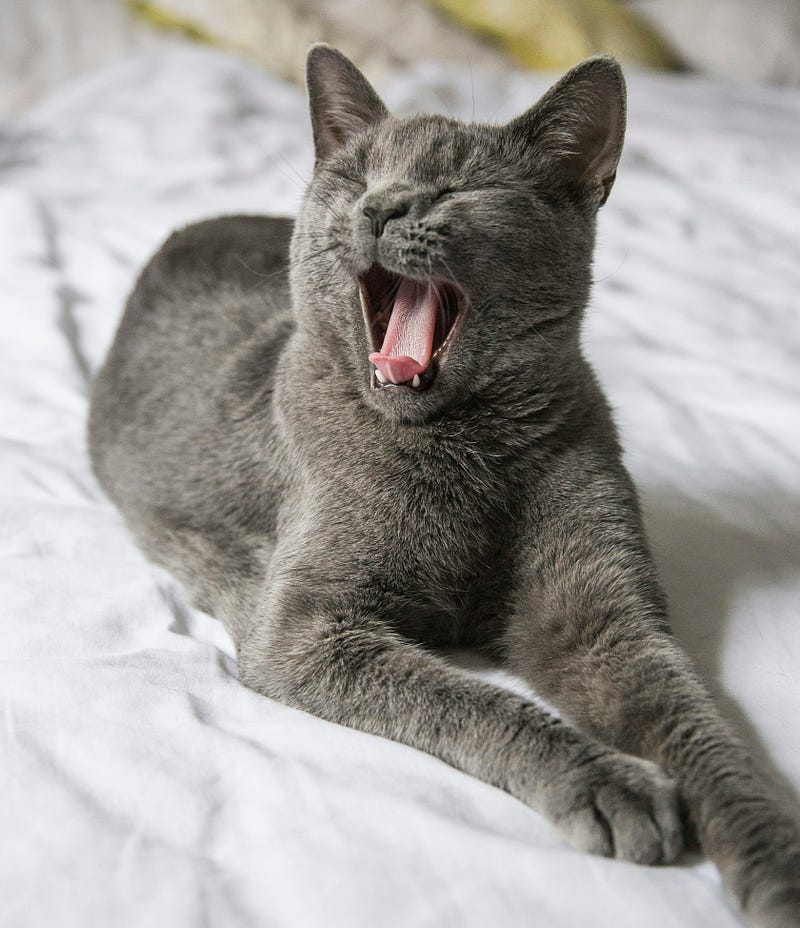
So why do we yawn in the first place, before it even gets a chance to spread?
Yawning is a built-in reflex that helps increase oxygen flow to the brain and body. Taking a big yawn brings in additional air, which can help you feel more alert and awake. Yawning may also be the body’s way of regulating certain brain temperatures and chemicals.
The contagious aspect of yawns likely served an important role for our ancestors living together in social groups. If one person yawned because they were tired or needed more oxygen, it could alert the whole group that it was a good time to stop and rest. By “catching” the yawns, everyone would get an influx of oxygen and wake up a bit, promoting collective safety.
Humans aren’t equally susceptible to contagious yawning though. Studies have shown that children under the age of 4 or 5 don’t tend to catch yawns frequently from others. Their ability to mimic and match others’ yawns develops gradually as they get older. Adults also show varying levels of contagious yawning, which could relate to differences in empathy, social awareness, or the ability to identify others’ expressions and states.
While yawning may sometimes be considered rude in social situations, it’s a perfectly normal and important biological function. So the next time you “catch” a yawn from someone else, you can appreciate that it’s your brain’s stunning ability to mirror behavior and share physiological experiences with those around you.
Even though contagious yawning can be inconvenient at times, it serves as a reminder of how deeply wired humans are for connection, communication, and unity. One person’s yawn can harmonize an entire group’s breathing, arousal, and awareness. From an evolutionary perspective, this potentially life-saving function emphasizes the importance of social synchronization. Thanks to contagious yawning, we are quite literally programmed to share and experience our humanness together.
Isn’t it amazing how our brain works even for something as simple as yawning? What do you think about it?


