
The Importance Of Working With Aesthetic Sustainability As A Fashion Designer
And why both simplicity and complexity can lead to longevity
When discussing sustainability and how to design durable and sustainable objects, I have always found aesthetics an important factor.
No matter how good you are, as a designer, at implementing zero waste strategies; long-life textiles; minimal-washing advice; re-design of old garments and re-use of materials in your designs, you won’t necessarily establish a real bond between consumer and product. You won’t create a desire to keep and maintain the product for years and years unless the design is aesthetically sustainable. Unless the look of a dress or a coat is continuously appealing to you, you wouldn’t keep wearing it, even if it didn’t wear out, or even if the thoughts behind the design and the design methods were ever so interesting and likeable.
An aesthetic experience is an emotional experience containing sensuous delight. It often implies both visual and tactile stimulation leading to a wish to see more and to touch again. In other words, the aesthetic experience can lead to an emotional connection between object and subject, which creates a bond. This can lead to the consumer feeling encouraged to maintain and keep the object.
The knitwear by the Faroe Islands design-duo Gudrun & Gudrun imply an obvious tactile experience. The visible process behind the garments adds time to the design — a way of creating a connection between subject and object. The quality and beauty of the coarse yarn also provides the customer with the feeling that this jumper could be a lifetime-companion.
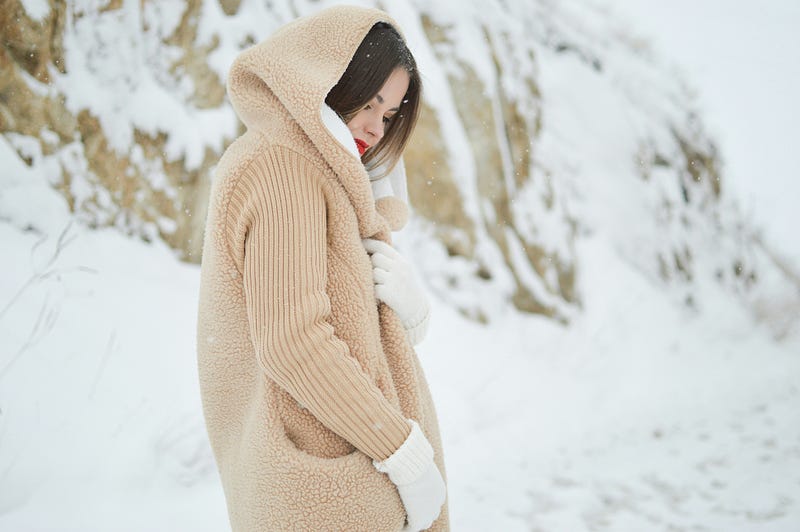
Aesthetic sustainability in relation to fashion is about designing clothing that has a lasting expression — a look that is somewhat constant or timeless.
But how can you apply invariable qualities to clothes design, which by definition are affected by fashion and therefore by volatility and shifting trends?
An example could be Swedish designer Anja Hynynen, who, in order to provide garments with durability, runs workshops in which her customers can learn how to restyle and up-cycle their clothing. This is an intriguing way of acknowledging that durability consists of a synergy between “consistency” and “variation”.
Working strategically with aesthetic sustainability means working towards minimal consumption and thereby “educating” the consumers to invest in fewer but good, durable objects. Aesthetics, however, concerns beauty. And then we are back at the “trend dilemma”: since beauty is closely connected to taste, cultural standards, and Zeitgeist ideals, it can seem hard, if not impossible, to talk about timeless and constant garments.
Is aesthetic sustainability incompatible with trends? Is the goal, when aiming for the aesthetically sustainable expression, anti-trend?
The problem with working towards anti-trend is that this then often becomes a trend. There are historically so many examples of sub cultural and avant-garde expressions, meant as an anti-thesis to the main trends, which end up as fashionable, volatile, time-typical looks. Going against the existing trends doesn’t seem to be the right approach when seeking an aesthetically sustainable expression. But how do you then approach designing aesthetically durable clothing?
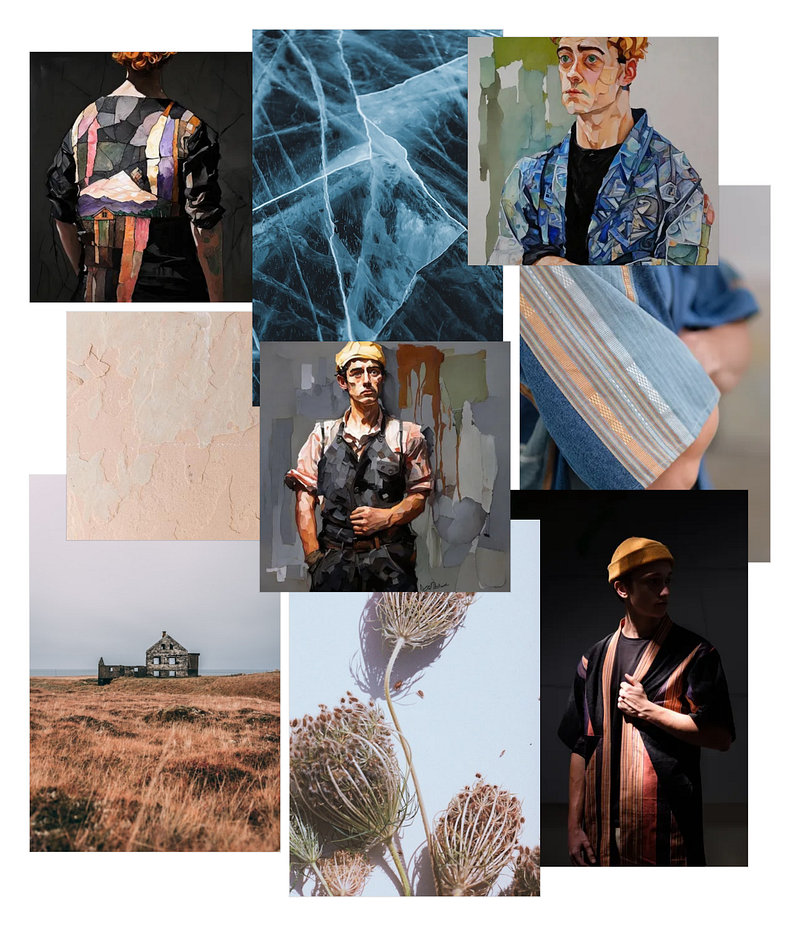
Rather than working against current trends and creating an anti-trend-expression, it makes more sense to seek, what I would call an aesthetically flexible look whether that means neutral and subtle, or a complex and multifunctional look.
When I first started exploring aesthetic sustainability, I initially thought of an aesthetically durable expression as minimalistic, symmetrical, and subtle — an expression that you would never get tired of, due to it’s understated and adaptable look. But another thought quickly came to my mind. Could an aesthetically sustainable design-object also be an object so complex that you never feel like you are done with it? This thought intrigued me.
The dress that I would never get tired of, would be either so minimalistic, and “neutral” that it would provide me with a subtle, flattering look for any occasion — or so complex and multifunctional that I would never get tired of looking at it and investigating it’s expressions.
Many designers work with the creation of minimalistic clothing that have subtle and flexible expression in the sense that the symmetry and harmony of the styles make them easily decodable, and thereby easily adaptable.
The complex and multifunctional take on aesthetic sustainability is, however, also brought to life by many textile and clothing designers. This could take shape as garments that can be worn in multiple ways and that transcend seasons, gender and cultural limitations. The focus here is flexibility– and a bond between the individual and the garment would be created due to interaction and influence.
Let’s connect! https://www.instagram.com/the_immaterialist/