
The Importance of Studying the Living & the Dead
The past is just as important as the present
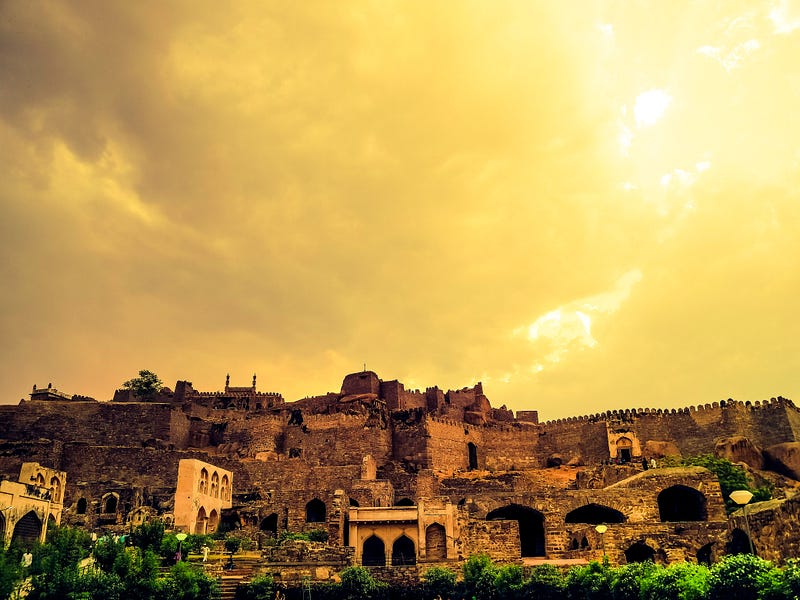
“Do you like living people or dead people?”
This was a serious question my professor asked me as I sat down in her office to schedule my classes.
She was the stereotypical university professor. Head of the department, hardened by the years of work, and well accomplished in her field of archaeology. She had given up marriage and raising a family to dedicate her life to the world of academia — something she recognized and was perfectly content with.
She seemed a little crazy to people outside of the department that didn’t know her, but man — she was funny. And clearly blunt as hell. So I was not too off-put by her asking me such a weird question.
But her question made me think…
It’s easy to understand the importance of studying living people. Heck, I work with living people on a daily basis. But I had never considered the importance of studying the dead like this professor had so adamantly dedicated her life to.
Why is it important that we study both?
Studying the Past
You can’t understand the present without first understanding the past.
Learning about the past is like putting puzzle pieces together. We learn who we were, where we came from, and where we are going. There are clues in the past that can offer solutions to our future. Simply put, we can observe what worked and what didn’t work for those before us.
When we study history we get a glimpse into some of the big events that have occurred throughout time. We see great leaders with remarkable achievements, the rise of Western civilization, and the extraordinary capability of the human mind.
However, history is a written record that has been passed down by people. Things can be changed, augmented, or left out entirely. It is left up to our ancestors before us and their interpretation of what was happening in the world around them.
When we study archeology, and those who have perished before us, we study the regular person — the simple everyday person, like you or me. It’s then that we get a glimpse into what life was really like on a daily basis thousands or even millions of years ago.
When we study the dead through archaeology we are able to learn about civilizations and tribes that kept no records. We are able to view these people in a holistic way, free of the biases of written history. And we are able to examine the experience of all humans.
Studying the present
“ Culture, or civilization, taken in its broad, ethnographic sense, is that complex whole which includes knowledge, belief, art, morals, law, custom, and any other capabilities and habits acquired by man as a member of society.”
— Edward B. Tylor in “Primative Culture”
Okay so that title, “Primitive Culture” gets under a little under my skin. Tylor thought that all cultures go through 3 stages: savagery, barbarism, and then ultimately, civilization. But hey, he was just a primitive 19th-century man himself. (ba dum tss)
Even so I like the essence of Tylor’s message. He thought that the elements of existing humans were socially created rather than biologically inherited like his contemporary, Charles Darwin. He also referred to “culture” as a type of all-encompassing culture. Meaning, that we all belong to one big universal culture, and some people were just at different points on his savage to civilization timeline.
It was a sweet sentiment due to his Quaker upbringing, even if we now know it’s wrong.
While we do not all belong to the same culture, we all belong to the same world. Therefore it is important that we make an effort to study those in the world around us.
When we study people in the present we are able to examine how and why a certain society functions. We are able to communicate better, learn languages, help overcome ethnic and racial divisions, minimize stereotypes, and gain a better understanding of our surrounding world.
And maybe. Just maybe…not call each other savages.