
The Importance of Giorno del Ricordo in Italian Culture and History
“Giorno del Ricordo,” or “Day of Remembrance,” is an Italian cultural day held annually on February 10th. It is a day that commemorates the victims of forced displacement and violence against Italian populations in the former Yugoslavia after World War II. Although the day was just a few days ago, it remains a crucial part of Italian culture and history.
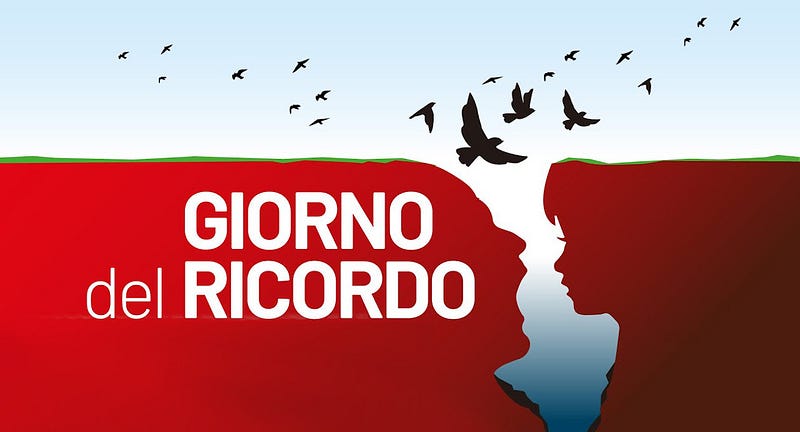
The events leading up to the establishment of “Giorno del Ricordo” date back to the end of World War II, when the territory of Istria, Fiume, and Dalmatia was annexed to Yugoslavia. At the time, these territories were home to many Italian communities, who were suddenly cut off from their homeland and subjected to persecution and violence. The Yugoslav authorities implemented a policy of forced assimilation, seeking to erase all traces of Italian culture and identity from the region.
As a result, many Italian civilians and soldiers were killed, displaced, or forced to flee the region. Over 300,000 people were affected, causing significant trauma and pain for Italian communities. The forced displacement was particularly brutal, with families torn apart and communities shattered. Many Italians lost their homes, possessions, and livelihoods, and were forced to start over in unfamiliar and hostile surroundings.
Despite the scale of the tragedy, the plight of Italian populations in the former Yugoslavia remained largely overlooked for many years. It was only in the 1990s, as Yugoslavia began to unravel and ethnic tensions resurfaced, that the issue came to wider attention. In 1999, the Italian government declared the forced displacement of Italian populations a crime against humanity, paving the way for the establishment of “Giorno del Ricordo.”
The Italian Parliament officially recognized the suffering of Italian populations affected by the events of World War II and the post-war period in 2004, leading to the establishment of “Giorno del Ricordo.” The day is observed as a way to remember the victims, honor their memory, and raise awareness of the tragedies that occurred. It is a time to reflect on the experiences of Italian ancestors and to remember the injustices that were done to them.
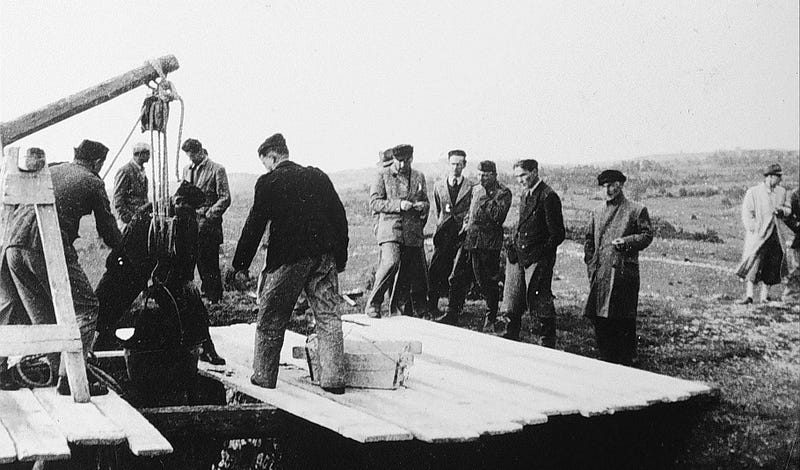
On “Giorno del Ricordo,” Italians take time to come together and mourn the loss of their loved ones. Ceremonies are held across Italy to pay respects to those who lost their lives or were forced to flee their homes. The day is a national mourning, with flags flown at half-mast and moments of silence observed in public places. In recent years, “Giorno del Ricordo” has also become a symbol of resistance to totalitarianism and a reminder of the importance of protecting human rights.
“Giorno del Ricordo” is an essential day in Italian culture and history, serving as a reminder of the resilience and strength of Italian communities in the face of adversity. It is a time to come together, mourn, and honor the past, while also looking forward to a future of peace and tolerance. By remembering the tragedies of the past, we can build a better future for all.