
The Impact of Inflation on Your Wallet: Strategies for Protecting Your Wealth
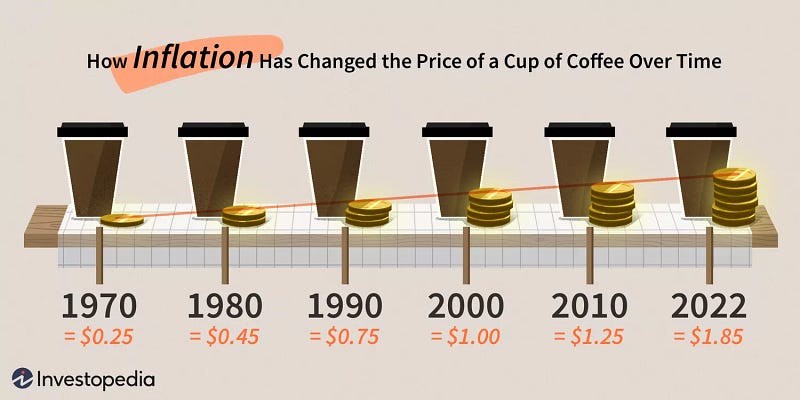
As we go about our daily lives, it’s easy to overlook the impact of inflation on our wallets. Inflation is the rate at which the general level of prices for goods and services is rising, which means that the purchasing power of our money is decreasing over time. This can have a significant impact on our financial well-being, particularly over the long term.

In this article, we’ll explore the impact of inflation on your wallet and share some strategies for protecting your wealth.
The Impact of Inflation
Inflation can have a variety of effects on your finances. For one, it can erode the value of your savings. If you have $1,000 in the bank and inflation is running at 2% per year, that $1,000 will be worth just $820 in ten years’ time. That’s a significant loss in purchasing power.

Inflation can also impact the cost of living. When prices are rising, you’ll need to spend more money to maintain your standard of living. This can be especially challenging for those on fixed incomes, such as retirees.
Finally, inflation can impact the return on your investments. If you’re earning a 4% return on your investments but inflation is running at 3%, your real return is just 1%. Inflation can eat away at the gains you’ve made on your investments, making it harder to reach your financial goals.
Protecting Your Wealth
So, how can you protect your wealth from the impact of inflation? Here are a few strategies to consider:

- Invest in stocks: Historically, stocks have outperformed inflation over the long term. By investing in a diversified portfolio of stocks, you can potentially earn returns that outpace inflation and protect the value of your money.
- Invest in real estate: Real estate can also be a good hedge against inflation, as property values tend to rise with inflation over the long term. Consider investing in rental properties or real estate investment trusts (REITs) to take advantage of this trend.
- Consider inflation-protected securities: Treasury inflation-protected securities (TIPS) are bonds issued by the U.S. government that are designed to protect investors against inflation. The principal value of these bonds is adjusted for inflation, so you can be sure that your money will retain its purchasing power over time.
- Build a diversified portfolio: By investing in a mix of stocks, bonds, and other assets, you can spread your risk and potentially earn higher returns over the long term. Diversification can also help protect your portfolio from the impact of inflation.
- Avoid cash and low-yielding investments: Cash and other low-yielding investments, such as savings accounts and CDs, typically offer low returns that may not keep pace with inflation. Consider investing in higher-yielding assets that offer the potential for higher returns.

In conclusion, inflation can have a significant impact on your finances, but there are strategies you can use to protect your wealth. By investing in stocks, real estate, inflation-protected securities, and a diversified portfolio, you can potentially earn returns that outpace inflation and preserve the value of your money over time.
As always if you liked my article, don’t forget to clap and share!