
The Impact of Environmental Footprint in Space Travel
Emissions, Impacts, and Future Challenges
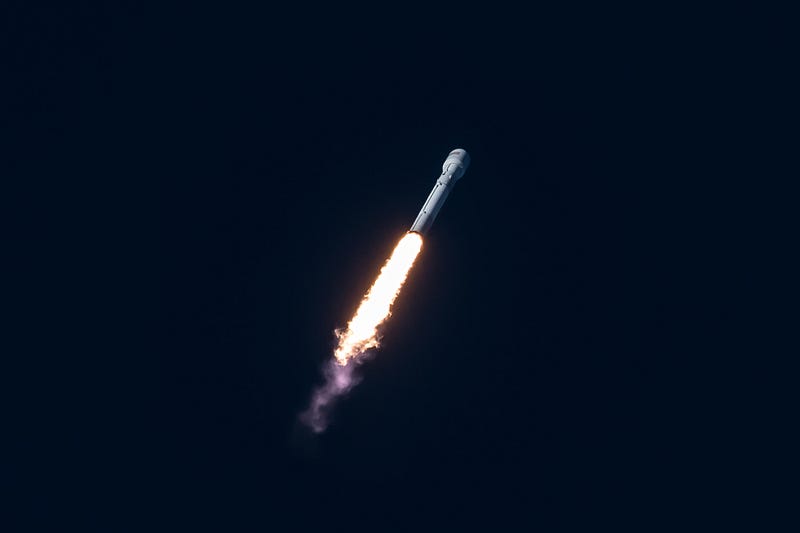
The ecological ramifications of space travel extend beyond the stars. Each rocket’s ascent toward orbit leaves an imprint on our environment, trailing greenhouse gases, soot, and alumina across the intricately balanced layers of our atmosphere. Even the reentry of satellites contributes, depositing metallic residues as they disintegrate.
Comparing spaceflight emissions to aviation, the significant difference lies in frequency. While approximately 100,000 planes take off globally daily, the number of rocket launches this year has averaged only about 2–3 per week. However, the landscape might soon transform. Industry leaders project a future where rockets launch multiple times daily, potentially ushering in a tenfold increase in space travel within the next two decades.
Rocket launches add complexity to their environmental impact. Unlike other human activities, orbital rocket launches inject emissions not just into the troposphere but also the stratosphere, which houses the vital ozone layer. This elevation amplifies the ecological effects.
Satellite reentries further complicate matters by altering the stratosphere’s composition. Yet, the consequences of these changes remain less understood compared to well-documented impacts like CO2, water, and chlorine emissions. Metals from burnt satellites persist in our environment, reflecting a lasting influence on Earth’s ecosystem.
Certain gases released during launches, such as CO2 and water, possess well-documented effects on the atmosphere. CO2, a notorious greenhouse gas, lingers regardless of emission altitude, while water vapor can disrupt weather patterns when deposited directly into the upper atmosphere. Chlorine, particularly when injected high into the air during rocket launches, poses a threat to the ozone layer.
In addressing global climate goals like those outlined in the Paris Agreement, the impact of spaceflight emissions — particularly CO2 and water — is unlikely to substantially sway global data without a remarkable surge in launch frequency. Instead, the focus sharpens on particulate emissions, including black carbon and alumina, as significant concerns within space travel’s environmental footprint.