The Impact of Artificial Intelligence on Everyday Life: A Comprehensive Overview
Introduction:
Artificial Intelligence (AI) has emerged as a transformative force that is reshaping various aspects of our daily lives. From the way we communicate to how we shop, work, and even receive medical care, AI has become an integral part of modern society. This comprehensive overview explores the multifaceted impact of artificial intelligence on everyday life, highlighting both the positive contributions and potential challenges it brings.
1. Communication and Social Interaction:
AI plays a crucial role in enhancing communication and social interactions. Virtual assistants, chatbots, and predictive text algorithms have become common features in messaging apps, making conversations more efficient and personalized. Social media platforms leverage AI algorithms to curate content, tailor newsfeeds, and suggest connections, creating a more engaging user experience.
2. Healthcare and Medical Advances:
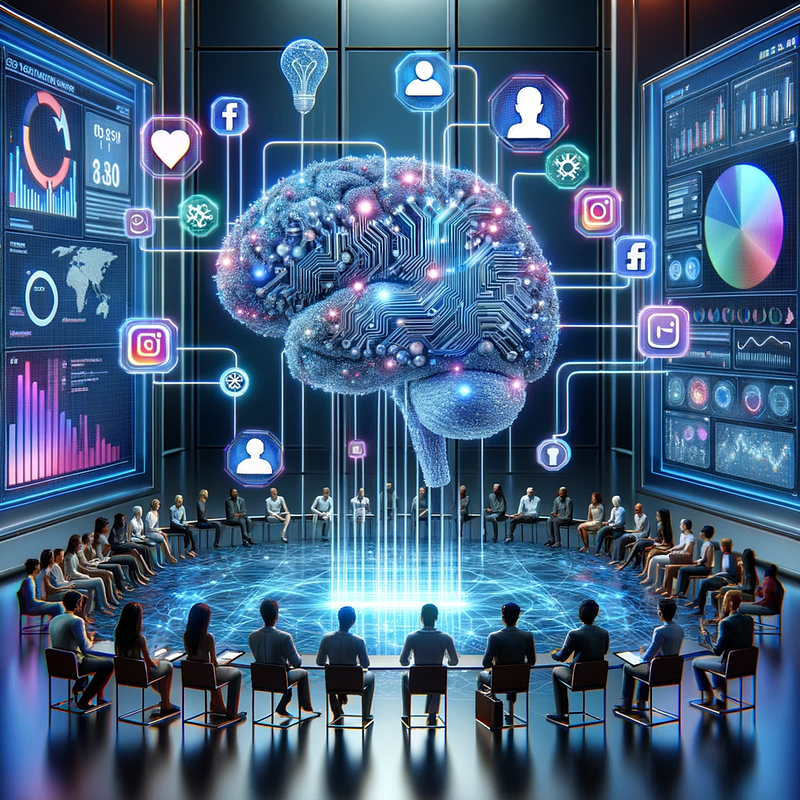
AI is revolutionizing the healthcare industry by helping with medication development, treatment planning, and illness diagnostics. Algorithms for machine learning evaluate medical data, help identify diseases early, and forecast patient outcomes. Surgical technologies driven by AI and robotics are also revolutionizing the sector, improving the precision and minimally invasiveness of treatments.

3. Educational Technologies:
By tailoring learning experiences, artificial intelligence is transforming education. AI is used by adaptive learning systems to customize course material according to each student’s performance and preferred method of learning. Natural language processing is used by virtual tutors and language learning applications to deliver personalized, interactive learning experiences that increase educational accessible everywhere.

4. Automation and the Workforce:
Although certain activities have been mechanized by AI, there are worries about how this may affect employment. Automating monotonous and routine tasks is a possibility, but AI also opens up new possibilities by enhancing human potential. The talents that AI is now unable to reproduce, including creativity, emotional intelligence, and problem-solving abilities, are becoming more and more important in the workforce as it changes.

5. Ethical and Privacy Concerns:
Privacy and ethical issues grow increasingly critical when AI is incorporated more into daily life. Careful consideration must be given to issues like algorithmic bias, data security, and the appropriate application of AI technology. Maintaining individual liberties while fostering innovation is a crucial task that society has to take on.

Conclusion:
Artificial intelligence has a significant and wide-ranging influence on daily life. AI is bringing about revolutionary change in a variety of industries, from improving communication and customizing experiences to transforming healthcare and education. Even though there are clear advantages, ethical and privacy issues must be addressed if AI technologies are to be used responsibly and fairly in the future. As artificial intelligence develops further, utilizing its potential for the benefit of society as a whole will need a deliberate and cooperative strategy.

Regards!
Zakias Ayyub