avatarLuísa Quinn

Free AI web copilot to create summaries, insights and extended knowledge, download it at here

4658

Abstract

sed controls, and to develop new forms of feedback and visualization, such as augmented and virtual reality experiences.</p><p id="de0a">Below, is a very interesting 2018 study of a gesture-based control system, with a very detailed explanation and a video.</p><figure id="f3a4"><img src="https://cdn-images-1.readmedium.com/v2/resize:fit:800/0*j1nyfwmFKX7mi44k"><figcaption>Image from 2018’s Gesture-based system for next-gen interfaces study showing (a) Original position and orientation of captured hand shape, (b) Position and orientation of hand shape after transformation.</figcaption></figure> <figure id="2305"> <div> <div> <img class="ratio" src="http://placehold.it/16x9"> <iframe class="" src="https://cdn.embedly.com/widgets/media.html?src=https%3A%2F%2Fwww.youtube.com%2Fembed%2FExpPFZGPdYw%3Ffeature%3Doembed&amp;display_name=YouTube&amp;url=https%3A%2F%2Fwww.youtube.com%2Fwatch%3Fv%3DExpPFZGPdYw&amp;image=https%3A%2F%2Fi.ytimg.com%2Fvi%2FExpPFZGPdYw%2Fhqdefault.jpg&amp;key=a19fcc184b9711e1b4764040d3dc5c07&amp;type=text%2Fhtml&amp;schema=youtube" allowfullscreen="" frameborder="0" height="480" width="854"> </div> </div> </figure></iframe></div></div></figure><p id="2b84">Read the full <a href="https://www.cambridge.org/core/journals/ai-edam/article/gesturebased-system-for-next-generation-natural-and-intuitive-interfaces/F429C70029095C3AB32FFEB28F8F68CB">Gesture-based system for next-generation natural and intuitive interfaces</a> from authors <a href="https://www.cambridge.org/core/search?filters%5BauthorTerms%5D=Jinmiao%20Huang&amp;eventCode=SE-AU">Jinmiao Huang</a>, <a href="https://www.cambridge.org/core/search?filters%5BauthorTerms%5D=Prakhar%20Jaiswal&amp;eventCode=SE-AU">Prakhar Jaiswal</a>, and <a href="https://www.cambridge.org/core/search?filters%5BauthorTerms%5D=Rahul%20Rai&amp;eventCode=SE-AU">Rahul Rai's</a> study.</p><h2 id="72b8">Challenges of AI in UX Design</h2><p id="5fcf">While AI offers many exciting opportunities for UX designers, it also presents a range of challenges that must be carefully managed. Some of the key challenges of AI in UX design include the following:</p><p id="4d1b"><b>Privacy and security</b></p><p id="382c">According to the International Association of Privacy Professionals (iapp.org), the use of artificial intelligence is estimated to grow by more than 25% each year for the next five years and could contribute over $15 trillion to the global economy by 2030.</p><p id="4ba7">One of the biggest concerns about AI in UX design is privacy and security. As AI algorithms collect and analyze vast amounts of user data, there is a risk that this data will be misused or stolen.</p><p id="e563">UX designers must work closely with privacy and security experts to ensure that user data is protected and that users are informed about the data that is being collected and how it will be used.</p><blockquote id="8c85"><p>“Disruptive technologies such as artificial intelligence require new skills and fresh insight as they gain wider commercial adoption. While its potential for good is enormous, so is AI’s potential for misuse. Due in large part to regulatory and academic guidance, we are already seeing the need for ethicists and privacy professionals in the design and coding of AI systems.” Todd Ruback — Managing Director, FTI Tech — IG, Privacy & Security</p></blockquote><p id="2466">Read the article: <a href="https://iapp.org/resources/article/ai-governance-report-summary/">Privacy, Quo Vadis — will you lead the way? A publication by the IAPP and FTI Consulting</a></p><p id="415b"><b>Bias and discrimination</b></p><p id="51dd">Another challenge of AI in UX design is bias and discrimination. AI algorithms can perpetuate and amplify existing biases and prejudices in society, leading to unfair or discriminatory experiences for some users. UX designers must be mindful of this issue and take steps to mitigate it, for example by using diverse training data sets and testing algorithms for bias.</p> <figure id="dc13"> <div> <div> <img class="ratio" src="http://placehold.it/16x9"> <iframe class="" src="https://cdn.embedly.com/widgets/media.html?src=https%3A%2F%2Fwww.youtube.com%2Fembed%2FjZl55PsfZJQ%3Fstart%3D4%26feature%3Doembed&amp;display_name=YouTube&amp;url=https%3A%2F%2Fwww.youtube.com%2Fwatch%3Fv%3DjZl55PsfZJQ&amp;image=https%3A%2F%2Fi.ytimg.com%2Fvi%2FjZl55PsfZJQ%2Fhqdefault.jpg&amp;key=d04bfffea46d4aeda930ec88cc64b87c&amp;type=text%2Fhtml&amp;schema=youtube" allowfullscreen="" fram

Options

eborder="0" height="480" width="854"> </div> </div> </figure></iframe></div></div></figure><p id="f63f"><a href="https://www.imdb.com/title/tt11394170/">Coded Bias</a> is a very interesting documentary about AI and Bias. It tells the story of the exploration of the fallout of MIT Media Lab researcher Joy Buolamwini’s startling discovery of racial bias in facial recognition algorithms.</p><p id="768a"><b>Technical complexity</b></p><p id="e00f">Finally, AI can be a technically complex and rapidly-evolving field, which can be challenging for UX designers to navigate.</p><p id="4ac6">Designers must stay up-to-date with the latest AI technology and trends, and work closely with AI experts and data scientists to ensure that they are able to create effective and scalable AI-powered user experiences.</p><p id="0c09"><b>SaaS to MaaS and constant changes</b></p><p id="fde7">“SaaS” to “MaaS” and basically, the chances of the advent of emerging new tools that can help or/and replace you anytime, being invented and iterated every time, every day, increased A LOT.</p><p id="fe69">According to Clement Bourcart, Business Consultant, Growth Marketer, Project, and Product Manager, and Copywriter in his <a href="https://medium.datadriveninvestor.com/top-6-ai-trends-for-2023-fb2e3538df8f"><b>Top 6 AI Trends for 2023</b></a> Medium article:</p><blockquote id="bb8f"><p>“(…) the proliferation of AI means that anyone can now build their own tools on top of ready-made models; but essentially, everyone has access to the same data, so simply slapping a front-end on, say, GPT-3 will no longer be a competitive advantage, and it won’t be enough to create a lasting AI-based company.</p></blockquote><blockquote id="3bec"><p>So, the real arms race is around training the models and fine-tuning them to serve very specific use cases. This relies on access to some kind of exclusive or difficult-to-obtain data.</p></blockquote><blockquote id="6bf0"><p>For instance, whoever can gain access to private, proprietary datasets that no one else can use, and then trains a model with this dataset to generate some kind of unique output, will likely stand a better chance.” Clement</p></blockquote><p id="d22a"><a href="https://medium.datadriveninvestor.com/top-6-ai-trends-for-2023-fb2e3538df8f">Read the full article Top 6 AI Trends for 2023 by Clement Bourcar</a>t</p><h1 id="bea0">Will AI replace Designers?</h1><h2 id="73d2">The golden question no one has the answer to. But my guess is: probably not.</h2><p id="4851">Especially in the UX field. The reason is very logical. Each project demands a very unique design process and briefing.</p><p id="12da">And there are sensible nuances and connections that only humans can execute because they require empathy. Ok maybe dogs can feel that too, but I think I made my point clear here.</p><p id="b545">In the case of Design as a general field, even if you have the whole Skynet fleet working for your, you still need someone to curate the art, and (for now, at least), you’ll probably still need people to operate the guide the robots.</p><p id="ee59">So, my bet is Designers won’t lose their jobs, but they will probably become a more skilled labor force. And probably spend fewer hours changing clients’ crazy requests.</p><p id="cc7d">In conclusion, integrating AI into UX design offers a range of exciting opportunities and challenges.</p><p id="8eaf">By leveraging the power of AI, UX designers can create more personalized, efficient, and innovative user experiences, while also addressing the important issues of privacy, security, bias, and discrimination.</p><p id="2377">To succeed in this rapidly-evolving field, it is important to be updated and learn how to work, manage, and coexist with all the new technology in order to not become obsolete.</p><p id="e76a">And yes, this one was generated with the help of AI, so credits go to <a href="https://openai.com/blog/chatgpt/">ChatGPT</a>, with my humble editing and suggestions.</p><h2 id="8907">Wrapping up:</h2><p id="e0f8">•AI integration into UX design presents a range of opportunities and challenges for designers.</p><p id="ff06">• Opportunities include personalization, efficiency, and innovation.</p><p id="5dc2">• Challenges include privacy & security concerns, potential bias & discrimination issues, and the technical complexity of AI technology.</p><p id="dae8">• To succeed in this rapidly-evolving field it is important to stay up-to-date with the latest trends and work closely with AI experts to create effective user experiences that protect user data from misuse or theft.</p></article></body>

The Impact of AI on UX Design: Opportunities and Challenges
The impact of AI on UX design is an opportunity to create more efficient and innovative designs, while also facing challenges such as privacy concerns and the complexity of working with AI technology.

The integration of artificial intelligence (AI) into user experience (UX) design is one of the biggest technological trends of the moment.

AI has the potential to revolutionize the way we interact with digital products and services, offering new opportunities for innovation and growth. At the same time, it presents a range of challenges for UX designers and product developers, who must navigate the complex and rapidly-evolving landscape of AI technology.

In this article, I will explore the impact of AI on UX design, focusing on both the opportunities and the challenges that it presents. I’ll also provide practical insights and advice for UX designers and product developers looking to leverage the power of AI to create better user experiences.

Opportunities of AI in UX Design

The integration of AI into UX design opens up a range of new opportunities for designers and developers to create innovative and engaging user experiences. Some of the key benefits of AI in UX design include the following:

Personalization

One of the most significant advantages of AI in UX design is its ability to personalize the user experience. AI algorithms can analyze data from a variety of sources, such as user behavior, demographics, and preferences, to create a highly personalized experience for each individual user. This can lead to increased engagement and satisfaction, as well as improved conversions and retention rates.

If you follow the market trends, you are aware that customization is still a big thing when it comes to keeping your users satisfied.

Take a look at this Wunderman Thompson’s annual report with 2023 trends across 10 sectors, spanning culture, tech, beauty, and more: “The Future 100: Trends and Change to Watch in 2023.
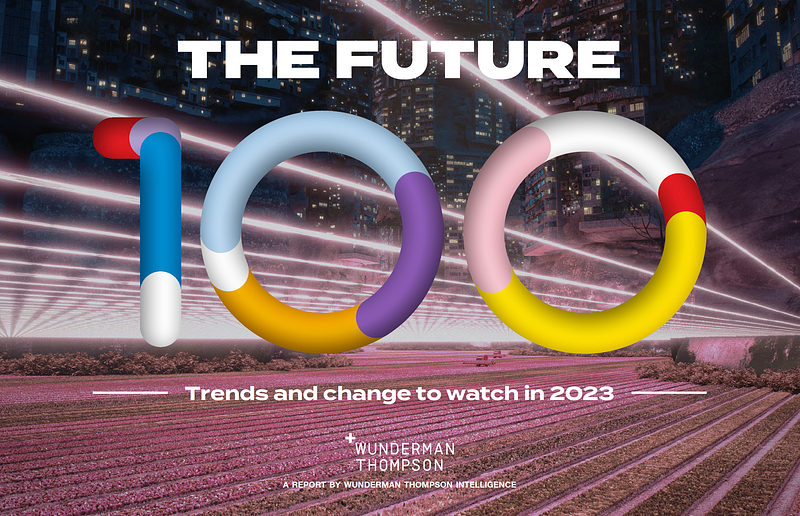
Cover of “The Future 100: Trends and Change to Watch in 2023.

Wunderman Thompson's 2023 Trends PDF Report

Efficiency

AI can also help UX designers to create more efficient and streamlined user experiences.

For example, AI algorithms can automate repetitive tasks, such as form-filling, and provide intelligent recommendations to help users make more informed decisions. This can save users time and effort, and reduce frustration and confusion.
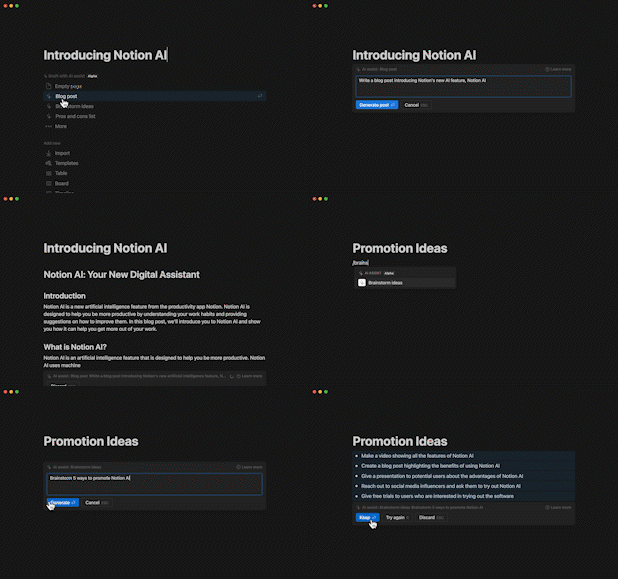
Notion Beta Ai promo Video

One good real-life example was the recent announcement of the launch of Notion’s Beta Ai.

The app is now in the private alpha version, and you can join the Notion AI waitlist. With Notion AI’s help, you can quickly create content that looks great and is easy to share with your team. You’ll be able to spend less time formatting data and more time getting your work done.

To try it out you have to click on this link and sign up for the waitlist, I am, lol, good luck to us all.

Innovation

AI opens up a range of new possibilities for innovation in UX design. For example, designers can use AI algorithms to create new forms of interaction, such as voice or gesture-based controls, and to develop new forms of feedback and visualization, such as augmented and virtual reality experiences.

Below, is a very interesting 2018 study of a gesture-based control system, with a very detailed explanation and a video.
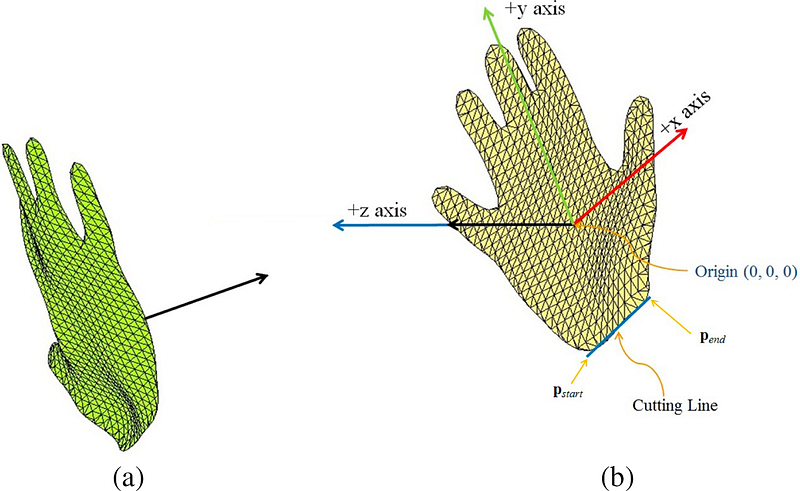
Image from 2018’s Gesture-based system for next-gen interfaces study showing (a) Original position and orientation of captured hand shape, (b) Position and orientation of hand shape after transformation.

Read the full Gesture-based system for next-generation natural and intuitive interfaces from authors Jinmiao Huang, Prakhar Jaiswal, and Rahul Rai's study.

Challenges of AI in UX Design

While AI offers many exciting opportunities for UX designers, it also presents a range of challenges that must be carefully managed. Some of the key challenges of AI in UX design include the following:

Privacy and security

According to the International Association of Privacy Professionals (iapp.org), the use of artificial intelligence is estimated to grow by more than 25% each year for the next five years and could contribute over $15 trillion to the global economy by 2030.

One of the biggest concerns about AI in UX design is privacy and security. As AI algorithms collect and analyze vast amounts of user data, there is a risk that this data will be misused or stolen.

UX designers must work closely with privacy and security experts to ensure that user data is protected and that users are informed about the data that is being collected and how it will be used.

“Disruptive technologies such as artificial intelligence require new skills and fresh insight as they gain wider commercial adoption. While its potential for good is enormous, so is AI’s potential for misuse. Due in large part to regulatory and academic guidance, we are already seeing the need for ethicists and privacy professionals in the design and coding of AI systems.” Todd Ruback — Managing Director, FTI Tech — IG, Privacy & Security

Read the article: Privacy, Quo Vadis — will you lead the way? A publication by the IAPP and FTI Consulting

Bias and discrimination

Another challenge of AI in UX design is bias and discrimination. AI algorithms can perpetuate and amplify existing biases and prejudices in society, leading to unfair or discriminatory experiences for some users. UX designers must be mindful of this issue and take steps to mitigate it, for example by using diverse training data sets and testing algorithms for bias.

Coded Bias is a very interesting documentary about AI and Bias. It tells the story of the exploration of the fallout of MIT Media Lab researcher Joy Buolamwini’s startling discovery of racial bias in facial recognition algorithms.

Technical complexity

Finally, AI can be a technically complex and rapidly-evolving field, which can be challenging for UX designers to navigate.

Designers must stay up-to-date with the latest AI technology and trends, and work closely with AI experts and data scientists to ensure that they are able to create effective and scalable AI-powered user experiences.

SaaS to MaaS and constant changes

“SaaS” to “MaaS” and basically, the chances of the advent of emerging new tools that can help or/and replace you anytime, being invented and iterated every time, every day, increased A LOT.

According to Clement Bourcart, Business Consultant, Growth Marketer, Project, and Product Manager, and Copywriter in his Top 6 AI Trends for 2023 Medium article:

“(…) the proliferation of AI means that anyone can now build their own tools on top of ready-made models; but essentially, everyone has access to the same data, so simply slapping a front-end on, say, GPT-3 will no longer be a competitive advantage, and it won’t be enough to create a lasting AI-based company.

So, the real arms race is around training the models and fine-tuning them to serve very specific use cases. This relies on access to some kind of exclusive or difficult-to-obtain data.

For instance, whoever can gain access to private, proprietary datasets that no one else can use, and then trains a model with this dataset to generate some kind of unique output, will likely stand a better chance.” Clement

Read the full article Top 6 AI Trends for 2023 by Clement Bourcart

Will AI replace Designers?

The golden question no one has the answer to. But my guess is: probably not.

Especially in the UX field. The reason is very logical. Each project demands a very unique design process and briefing.

And there are sensible nuances and connections that only humans can execute because they require empathy. Ok maybe dogs can feel that too, but I think I made my point clear here.

In the case of Design as a general field, even if you have the whole Skynet fleet working for your, you still need someone to curate the art, and (for now, at least), you’ll probably still need people to operate the guide the robots.

So, my bet is Designers won’t lose their jobs, but they will probably become a more skilled labor force. And probably spend fewer hours changing clients’ crazy requests.

In conclusion, integrating AI into UX design offers a range of exciting opportunities and challenges.

By leveraging the power of AI, UX designers can create more personalized, efficient, and innovative user experiences, while also addressing the important issues of privacy, security, bias, and discrimination.

To succeed in this rapidly-evolving field, it is important to be updated and learn how to work, manage, and coexist with all the new technology in order to not become obsolete.

And yes, this one was generated with the help of AI, so credits go to ChatGPT, with my humble editing and suggestions.

Wrapping up:

•AI integration into UX design presents a range of opportunities and challenges for designers.

• Opportunities include personalization, efficiency, and innovation.

• Challenges include privacy & security concerns, potential bias & discrimination issues, and the technical complexity of AI technology.

• To succeed in this rapidly-evolving field it is important to stay up-to-date with the latest trends and work closely with AI experts to create effective user experiences that protect user data from misuse or theft.

AI
UX
UX Design
Ux Designer
UI
Recommended from ReadMedium