avatarChristopher Jones

Free AI web copilot to create summaries, insights and extended knowledge, download it at here

1323

Abstract

lities. These mental exercises help to maintain cognitive health, which is especially beneficial for people who want to keep their wits sharp.</p><figure id="b525"><img src="https://cdn-images-1.readmedium.com/v2/resize:fit:800/1*Bwk9WF3m6F70E611Di8Pbg.jpeg"><figcaption>Image created using Bing Copilot</figcaption></figure><p id="7262">3. Social Connection: Virtual reality gaming adds a social element beyond typical gaming experiences. Players can communicate with others in virtual environments, building social bonds and alleviating feelings of loneliness. Individuals with limited mobility benefit the most from this, as it allows them to socialize and build friendships.</p><p id="5d75">4. Therapeutic Application:</p><figure id="9dd9"><img src="https://cdn-images-1.readmedium.com/v2/resize:fit:800/1*MB_IvWrIlk11R41y1eyazQ.jpeg"><figcaption>Image created using Bing Copilot</figcaption></figure><p id="008b">Artificial intelligence and virtual reality are increasingly being applied in therapeutic settings. Virtual reality exposure therapy, for example, has demonstrated efficacy in treating phobias, PTSD, and anxiety disorders. The regulated and immersive nature of VR enables people to confront and overcome their phobias in a safe setting.</p><p id="cb93">5. Physical Exercise and Wellness:</p><p id="30db">V

Options

R gaming frequently incorporates physical motions, which encourages an active lifestyle. Whether it’s dancing, boxing, or sports simulations, these activities promote increased physical activity, which benefits both physical and mental health. This is especially useful for people who may have difficulty engaging in traditional kinds of exercise.</p><figure id="f268"><img src="https://cdn-images-1.readmedium.com/v2/resize:fit:800/1*okax-0mD3nDqibY6RENviA.jpeg"><figcaption>Image created using Bing Copilot</figcaption></figure><p id="d572">6. Distracting from Chronic Pain:</p><p id="f4a0">For someone suffering from chronic pain, AI and VR gaming can be a welcome distraction. VR’s immersive nature can move attention away from physical discomfort, providing brief relief while also increasing the overall quality of life for those suffering from pain.</p><p id="2aa1">Conclusion: AI and VR games have significant mental health benefits that go beyond entertainment. These technologies have the potential to improve people’s well-being in a variety of ways, including stress relief, cognitive stimulation, social connections, and therapeutic uses. As we continue to investigate the potential of AI and VR, it is clear that the future of gaming contains exciting developments for mental health care.</p></article></body>

The Impact of AI and VR Gaming on Mental Health

Introduction:

In recent years, the combination of artificial intelligence (AI) and virtual reality (VR) has transformed the game business, providing more than just immersive entertainment. Aside from the appealing graphics and entertaining gameplay, AI and VR gaming have shown considerable benefits to mental health. This article investigates the positive impact of various technologies on well-being.

  1. Stress Relief and Relaxation:
Image created using Bing Copilot

Artificial intelligence and virtual reality games offer a respite from the stresses of daily life. The vivid environments and realistic circumstances transfer gamers to another universe, allowing them to briefly escape their troubles. This getaway can contribute to reduced stress levels and an overall sensation of calm.

2. Increased Cognitive Function:

Many AI-powered games aim to challenge and stimulate cognitive functions. VR settings engage the brain in complicated tasks, which improve memory, attention, and problem-solving abilities. These mental exercises help to maintain cognitive health, which is especially beneficial for people who want to keep their wits sharp.
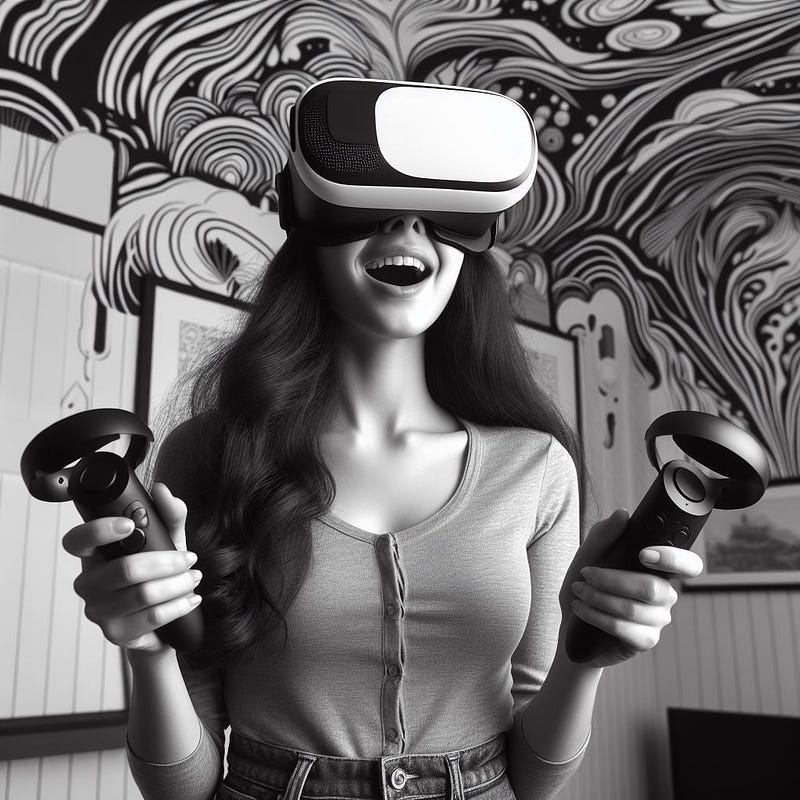
Image created using Bing Copilot

3. Social Connection: Virtual reality gaming adds a social element beyond typical gaming experiences. Players can communicate with others in virtual environments, building social bonds and alleviating feelings of loneliness. Individuals with limited mobility benefit the most from this, as it allows them to socialize and build friendships.

4. Therapeutic Application:
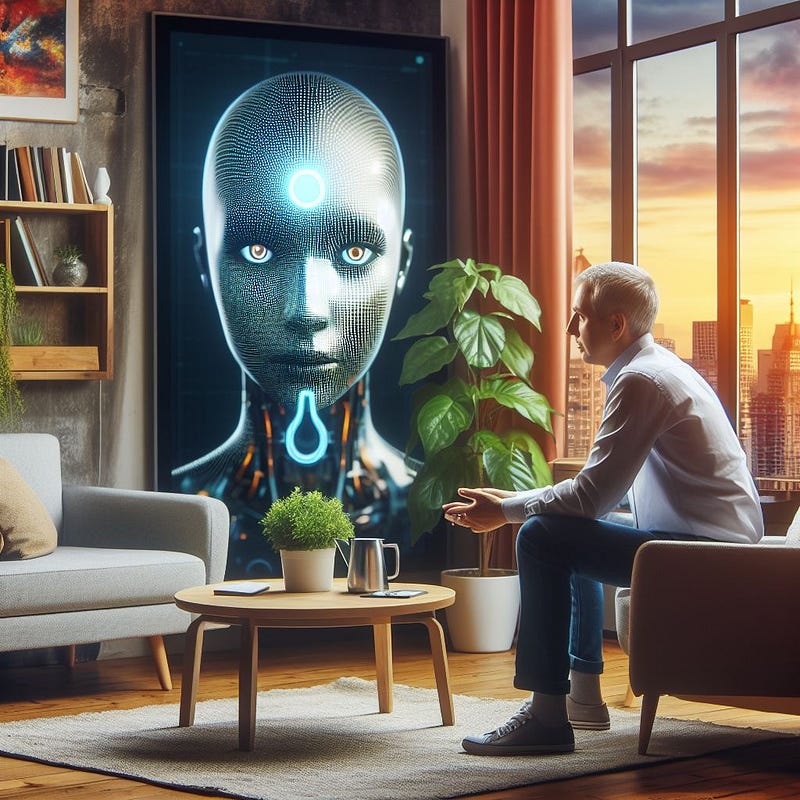
Image created using Bing Copilot

Artificial intelligence and virtual reality are increasingly being applied in therapeutic settings. Virtual reality exposure therapy, for example, has demonstrated efficacy in treating phobias, PTSD, and anxiety disorders. The regulated and immersive nature of VR enables people to confront and overcome their phobias in a safe setting.

5. Physical Exercise and Wellness:

VR gaming frequently incorporates physical motions, which encourages an active lifestyle. Whether it’s dancing, boxing, or sports simulations, these activities promote increased physical activity, which benefits both physical and mental health. This is especially useful for people who may have difficulty engaging in traditional kinds of exercise.
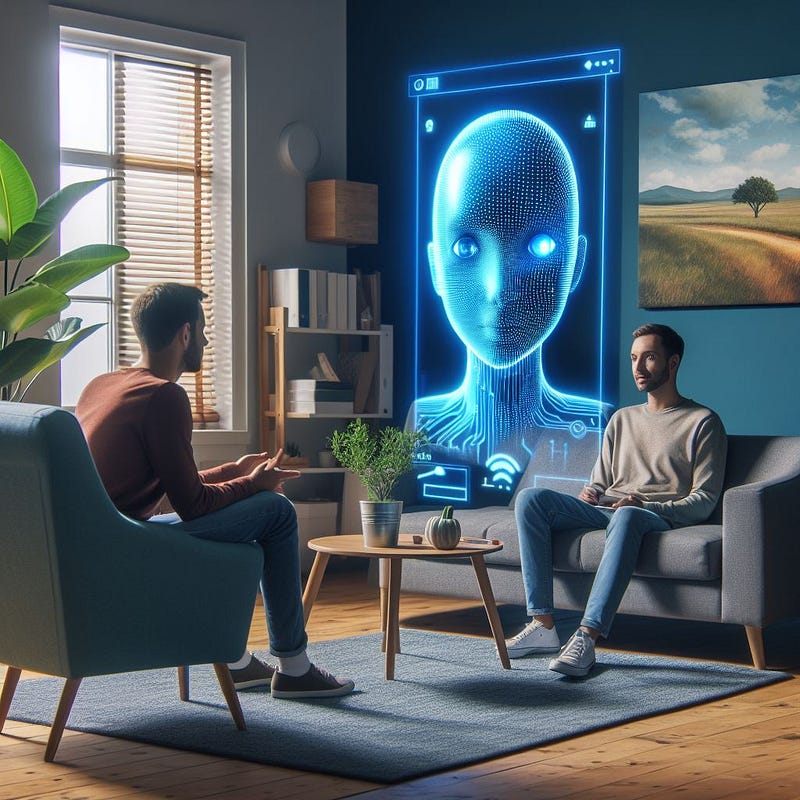
Image created using Bing Copilot

6. Distracting from Chronic Pain:

For someone suffering from chronic pain, AI and VR gaming can be a welcome distraction. VR’s immersive nature can move attention away from physical discomfort, providing brief relief while also increasing the overall quality of life for those suffering from pain.

Conclusion: AI and VR games have significant mental health benefits that go beyond entertainment. These technologies have the potential to improve people’s well-being in a variety of ways, including stress relief, cognitive stimulation, social connections, and therapeutic uses. As we continue to investigate the potential of AI and VR, it is clear that the future of gaming contains exciting developments for mental health care.

Veterans
AI
VR
Gaming
Health
Recommended from ReadMedium