
The iFuture
There was an unusual moment as I watched Apple’s keynote presentation today. I found myself getting oddly emotional. I wasn’t emotional because I was excited by the new features (albeit I was and still am.) I wasn’t emotional because of the new cameras, or the “Dynamic Island” that will replace “the notch,” or even the updated life-saving SOS feature.
I was emotional because the occurence felt surreal. It felt dire. It was one of those moments when it was difficult to accept the present I’m growing up in. It was an instant of futuristic surrealism. It was a frozen moment where I could feel the weight of an entire paradigm shifting beneath me — one of those rare pauses when we feel motionless in our dizzying, dizzying world.
I still have a strange time thinking about this era as “the present.” I have a hard time believing we’ll clamber to accept another generation of groundbreaking machinery as something normal and mundane. I can’t believe that soon we’ll look back wistfully on the days when we needed service or wifi to text. Sometimes, I feel as though I’m absolutely steeped in a bizarre future.
To live in the present should demand a certain presence — but we’re digital creatures now. The future took over when we stopped looking up. Surely no present of mine could feel so detached. No present of mine has iPhones with FaceTime and virtual reality headsets and talking AI and origami space telescopes.
Today’s presentation made me emotional because it was just another reminder that this is the future. It’s a fact that we spend our lives forgetting. Because I never technically leave the present, I’m forced to reconcile with each of these strange new emerging realities. But there are moments where the veil slips, where the future comes crashing at our doorstep in ways that are impossible to ignore.
The introduction of the first iPhone was one of those moments. The introduction of Siri was another. So was the arrival of the fingerprint scanner and Face ID. The introduction of Apple Pay was another. And now every time I scan my phone to pay for something I’m slapped in the face by a confounding future. Sometimes it seems that to even be alive in this ever-changing technosphere is to walk gingerly up a misty mountain of impossible innovation.
“Hey Alexa, play ‘Once in a Lifetime’ by the Talking Heads on the living room speakers.”
Sometimes in life we’re given time to accept the changes that take place. A new system at work, a loss in the family, or the arrival of a child all demand adjustment periods. But for those who’ve lived through the Digital Revolution and the rise of the internet, these sympathies are rarely extended. The transitions are abrupt and apathetic. We’re given no grace periods. We go to work and school and marry and never quite address the implications of living through the most fundamental change in human history.
The devices in our pockets have access to the entirety of known information.
Because we’ve been festering in this reality for so long now, we’ve lost sight of its gravity. So I’ll repeat the words.
The devices in our pockets have access to the entirety of known information.
99.9% of the humans to walk this earth could never have conceived of such inventions. We know because we can watch Youtubes and Tiktoks about the bygone, archaic worlds that grew up without them. Our cellphones are time machines.
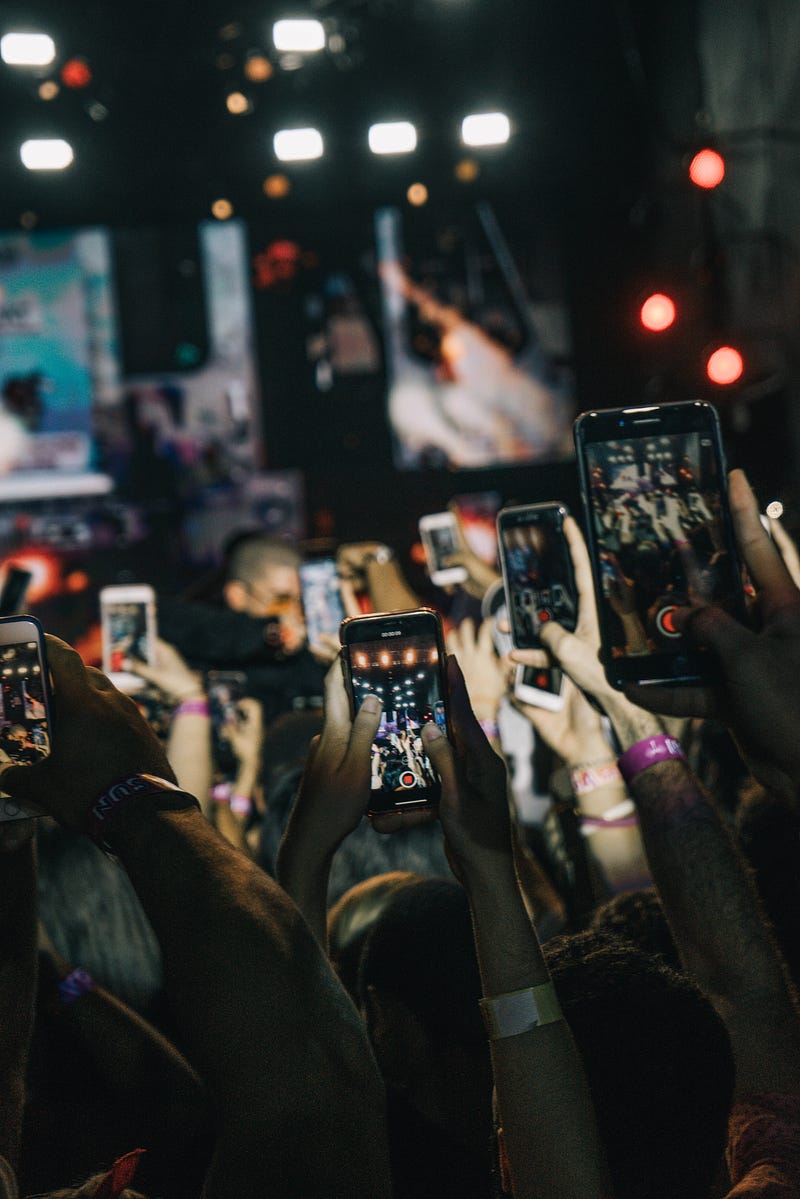
Our cellphones are a part of us now. They’re more a part of us than the clothes that have been on our backs since the dawn of civilization. Is it bad to be so connected with the entirety of what came before us? No, but it’s stultifying. It’s overwhelming. It’s an advancement that a species composed of cells and synapses could never have properly prepared for. No grace period would cancel out the overbearing oddity of what it is to have become digital creatures overnight.
Maybe sympathy isn’t something that I should have expected here. Maybe this is just the price of living in a revolving world.
Help support me by signing up for Medium here! By signing up through this link, you’ll be giving me a direct commission as well as getting access to the work of thousands of other writers. Thank you so much for reading!


