avatarVal Garner - Friend of Medium. Newsletter: 🖋️

Free AI web copilot to create summaries, insights and extended knowledge, download it at here

4433

Abstract

aterings. Avoid waterlogging to prevent root rot. Mulching around the plant’s base retains moisture and reduces watering.</p><p id="1004"><i>Regular fertilizing</i> promotes healthy development and plentiful blooms in camellias. Choose a slow-release, balanced organic fertilizer for acid-loving plants. Apply fertilizer as directed in early spring and late summer. Avoid overfertilizing, which might cause foliage growth instead of flowers.</p><p id="22df"><i>Camellias might lack iron</i>. You can tell this by yellowing leaves with green veins. Correct the deficit with a chelated iron supplement.</p><p id="ef8c"><i>Mulch</i>: Before winter arrives, cover the base of the plant with a layer of organic mulch. This will shield the roots from cold temperatures and help them insulate. To avoid rot, don’t pack the mulch up against the stems.</p><h1 id="6ef9">Pruning and Shaping Camellia Plants</h1><p id="ec2f">Camellia plants need pruning to preserve their shape, promote airflow, and remove dead or diseased branches. Correct camellia pruning follows these steps:

  1. Camellias should be pruned promptly <i>after flowering</i>, generally in late winter or early spring. Pruning now helps the plant recuperate and thrive before the next flowering season.</p><p id="064f">2.<i> Tools</i>: Cut cleanly with sharp pruning shears or loppers. Before and after usage, disinfect instruments with rubbing alcohol to avoid spreading any possible disease.</p><p id="f6e7">3. <i>Remove unhealthy or dead branches</i>: Get rid of dead, damaged, or diseased branches. Make clean incisions above a bud or lateral branch to restore healthy tissue.</p><p id="f895">4. <i>Thin crowded branches</i>: Camellias can become crowded, reducing ventilation and increasing disease risk. Remove older, thicker branches to open the plant and improve airflow.</p><p id="f59c">5. <i>Shape the plant</i>: Selectively trim the outer branches to stimulate fuller growth and keep the camellia bush compact in shape. Avoid cutting into the plant’s primary branch.</p><p id="bdf2">Properly pruning camellia bushes keeps them healthy, beautiful, and ready to bloom.</p><figure id="45a2"><img src="https://cdn-images-1.readmedium.com/v2/resize:fit:800/1*asmapCcHfSFSm99O4BG_ew.jpeg"><figcaption>Pruning and Shaping Camellia Plants Image by Annette Meyer from Pixabay</figcaption></figure><h1 id="087d">Preventing and Treating Common Camellia Flower Diseases and Pests</h1><p id="8f4e">Diseases and pests can affect <b>camellias</b>. These frequent concerns can be prevented and treated with careful care:

  2. <i>Camellia flower blight</i>: This fungal disease browns or blackens buds and petals. Avoid overhead watering to prevent floral blight, which spreads in damp circumstances. Remove and destroy diseased blooms and buds to stop spread.

  3. <i>Overwatering</i> or poorly drained soil can produce root rot, which yellows leaves and stunts development. Plant camellias in well-draining soil and water them to avoid root rot. Enhance soil drainage for future plantings.

  4. <i>Camellia scale</i>: Scale insects are tiny, immoveable parasites that feed on camellia sap, causing yellowing leaves, slowed growth, and sooty mold.</p><p id="0616">Follow product directions to control scale using insecticidal soap or horticultural oil spray.</p><p id="0651">. Natural predators like ladybugs or lacewings can also help your plants.</p><p id="da11"><i>Camellia petal blight</i>: This fungal disease browns or blackens camellia petals, causing premature flower drop. To prevent petal blight, remove and destroy diseased flowers and petals. Avoid overhead watering and keep plants well-aired.</p><p id="96a3">Regular camellia monitoring will help you spot and fix problems early. By being proactive, you can keep your camellias healthy and happy.</p><p id="3aec"><b>Book Recommendation</b>: <a href="https://amzn.to/3Tkfhh6"><b><i>Pest Control for Organic Gardening: Natural Methods for Pest and Disease Control</i></b></a></p><figure id="7fdc"><img src="https://cdn-images-1.readmedium.com/v2/resize:fit:800/1*-tz3-rzl_ccWCaelRG14pg.jpeg"><figcaption>Camellia Flowers An Early Spring Delight — Image by Author</figcaption></figure><h1 id="5a3e">Propagating Camellia Flowers</h1><p id="22de">You can propagate Camellia flowers to grow your collection or share them with friends and family:

  5. <i>Seeds</i>: Sow mature camellia seeds from existing plants in a well-d

Options

raining seed-starting mix. Keep the soil wet and warm and illuminate indirectly. Seedlings may take years to blossom.</p><p id="6bf9"><i>Cut stems</i> from healthy, disease-free camellia plants in late spring or early summer. Dip cut ends in rooting hormone and plant in a well-draining potting mix. Cuttings should root in a few months if kept warm and damp.</p><p id="adf5"><i>Grafting</i>: Grafting joins a camellia cutting (scion) to a rootstock for enhanced proliferation. You may blend camellia varieties’ best qualities using this strategy. It works well in late winter or early spring when plants are dormant.</p><p id="0434">Growing camellias and sharing their beauty via propagation may be gratifying. Try several approaches and enjoy growing plants.</p><figure id="8c62"><img src="https://cdn-images-1.readmedium.com/v2/resize:fit:800/1*lOxMvC6i5lrMUE1MiCegzw.jpeg"><figcaption>Preventing and Treating Common Camellia Flower Diseases and Pests Image by shell_ghostcage<b> </b>from Pixabay</figcaption></figure><p id="5cc0"><i>Conclusion</i>:</p><p id="5014">This concludes this post on cultivating beautiful camellia flowers. You may grow healthy camellias that will enhance the beauty and happiness of your garden.</p><p id="2701">You might also enjoy my post about another flower that blooms in snow —</p><div id="d152" class="link-block"> <a href="https://readmedium.com/hellebore-flowers-the-stars-of-the-winter-garden-c4ed39ca7644"> <div> <div> <h2>Hellebore Flowers: The Stars of the Winter Garden</h2> <div><h3>Hellebore or Helleborus for Gardeners</h3></div> <div><p>medium.com</p></div> </div> <div> <div style="background-image: url(https://miro.readmedium.com/v2/resize:fit:320/1*64tPRHWHu5s3I9jH8Sg8eg.jpeg)"></div> </div> </div> </a> </div><h1 id="2cc6">Enjoyed this post? Try these next on the following topics:</h1><div id="6f6e" class="link-block"> <a href="https://medium.com/@vrg722/list/322b896c23d3"> <div> <div> <h2>Home and Garden</h2> <div><h3>Home decoration and home ideas and gardening topics.</h3></div> <div><p>medium.com</p></div> </div> <div> <div style="background-image: url(https://miro.readmedium.com/v2/resize:fit:320/0*7a3f683092ba4b98a3a3fffcac84e35077439e0c.jpeg)"></div> </div> </div> </a> </div><div id="947e" class="link-block"> <a href="https://medium.com/@vrg722/list/d04749af4446"> <div> <div> <h2>Career, Business, Work</h2> <div><h3>Career, Business, Work related in many fields.</h3></div> <div><p>medium.com</p></div> </div> <div> <div style="background-image: url(https://miro.readmedium.com/v2/resize:fit:320/0*88eaa4365c91ce028f91b190eb02503bf0f4966f.jpeg)"></div> </div> </div> </a> </div><div id="6e54" class="link-block"> <a href="https://medium.com/@vrg722/list/de2e80817ef2"> <div> <div> <h2>Books</h2> <div><h3>Book summaries, reviews and articles related to reading and writing.</h3></div> <div><p>medium.com</p></div> </div> <div> <div style="background-image: url(https://miro.readmedium.com/v2/resize:fit:320/0*09e8fd8778f2c6b5666c80e3a23edacc6bad1292.jpeg)"></div> </div> </div> </a> </div><blockquote id="6c47"><p><i>Thank you for reading; if you enjoyed my content and would like to support me, the best way is to :</i></p></blockquote><ol><li>Follow Me On <a href="https://medium.com/@vrg722"><i>Medium</i></a>.</li><li>Consider clapping, you can clap up to 50 times if you’d like.</li><li>Sign up for my weekly <a href="https://cozy-snippets-mini-moments.beehiiv.com/subscribe"><b><i>Cozy Snippets Mini Moments newsletter</i></b></a> on life topics.</li><li>Sign up for the email updates.</li></ol><p id="7970"><i>This article contains affiliate links and we may receive a small commission after you click one of the links, at no charge to you.</i></p></article></body>

Mastering Camellia Flowers: A Journey to Blooming Success🌸

Camellia Flowers: An Early Spring Delight of Floral Blooms in the Garden

Note: Non-members can read the full story in this link.

Introduction

I have a thing for flowers that can bloom through the snow. There is just something special about that. It could also be because flowers are rare in the garden at that time of year.

Today, though, we’ll look at Camellia flowers that can and do blossom in early spring, often in the snow. They grow on plants that are more shrubs and bushes, with these being evergreen.
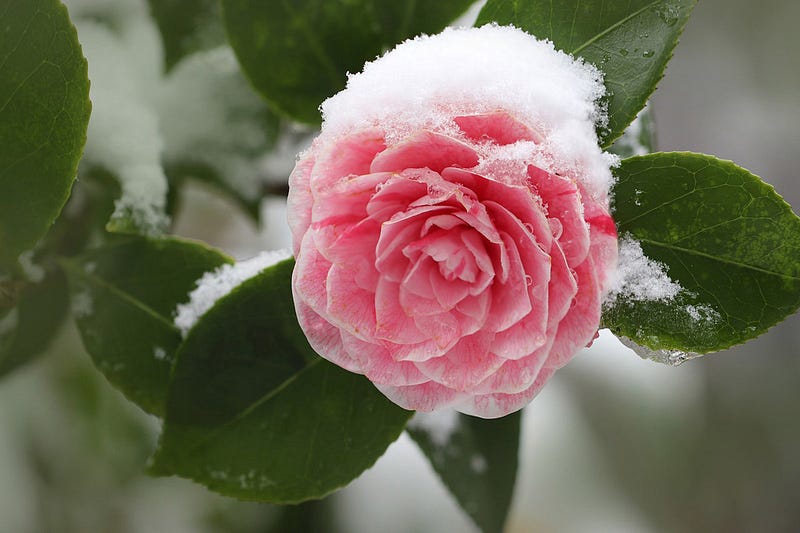
The How To Guide for Growing Stunning Camellia Flowers Image by Annette Meyer from Pixabay

Understanding the different types of Camellia flowers

There are many kinds of camellias, and each has unique traits and needs for their growth. They are a favorite among gardeners.

Knowing the available varieties can make selecting the ideal camellia variety for your garden more manageable.

  1. Camellia japonica is known for its enormous, eye-catching blooms. The blossoms are bicolored, pink, crimson, and white, among other hues. Camellia japonica needs some shade and does well in colder areas.
  2. Camellia sasanqua: These camellias are frequently used as ground covers or hedges because of their smaller, more delicate blossoms. They are colored in colors of white, pink, and red and bloom in late fall or early winter. Compared to other types, Camellia sasanqua can withstand greater heat and sun.
  3. Camellia reticulata: This gorgeous type, known for its large flowers, lends color to any landscape. It needs to be kept out of the cold and protected in a shaded spot. Its hues range from white to deep crimson.

The perfect Camellia flower for you will depend on your garden’s size, personal tastes, and climate.
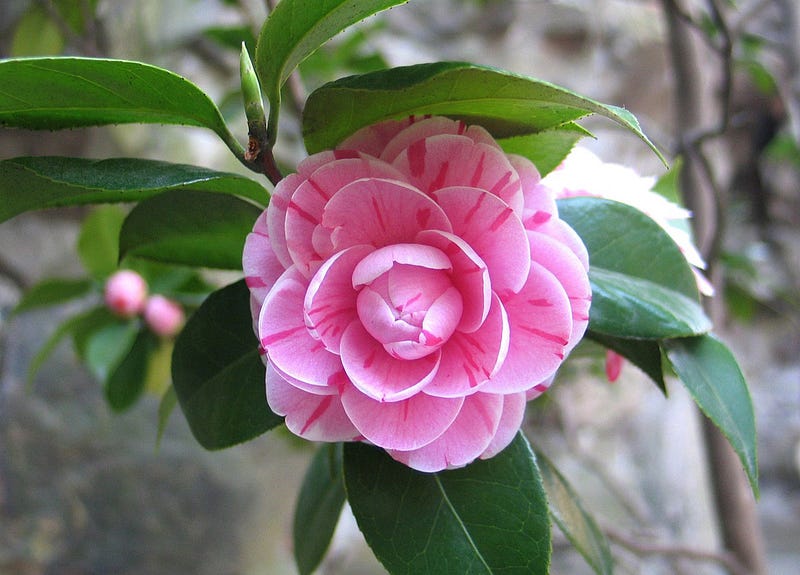
Camellia Flowers An Early Spring Delight of Floral Blooms in the Garden Image by Natalya Melnikova from Pixabay

Choosing the Right Location for your Camellia Plants

Instead of direct sunshine, camellias prefer filtered sunlight to protect their delicate leaves. Consider these things while deciding where to plant your camellias: Light: Camellias like early sun and afternoon shade. Plant them away from excessive afternoon light to avoid leaf burn and bloom damage. In colder climates, consider a morning sun position to prevent winter damage.

Soil: Camellias like well-draining soil. Test soil pH with a PH test kit before planting. Pine needles or peat moss can reduce pH in alkaline soil. Prevent root rot with well-draining soil.

Camellias prefer slightly acidic soil with a pH between 5.5 and 6.5. If your soil’s pH is too high, you can lower it by adding sulfur or iron sulfate amendments.

Wind Protection: Strong winds can harm camellia blooms and leaves. Plant camellias near a fence or the side of a home for wind protection.

Book Recommendation: A Gardening Guide For Organic Soil Building: Methods to Obtain Healthy Garden Soil
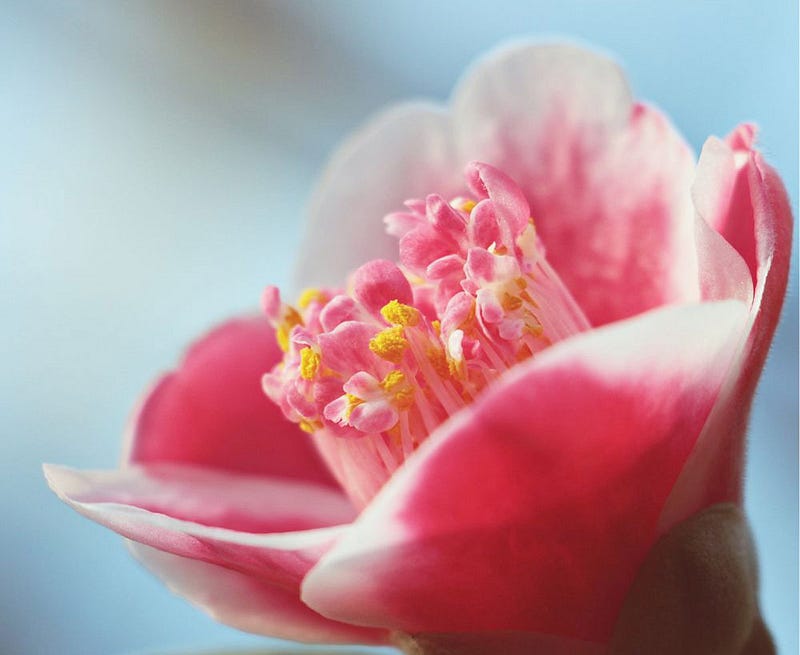
Choosing the Right Location for your Camellia Plants — open source CanvaPro

Watering and Fertilizing Camellia plants

Camellias need water and fertilizer to thrive. Follow these tips to give your camellias enough water and nutrients: Watering: Camellias appreciate wet soil but are sensitive to overwatering. Water deeply and thoroughly, letting the top few inches dry between waterings. Avoid waterlogging to prevent root rot. Mulching around the plant’s base retains moisture and reduces watering.

Regular fertilizing promotes healthy development and plentiful blooms in camellias. Choose a slow-release, balanced organic fertilizer for acid-loving plants. Apply fertilizer as directed in early spring and late summer. Avoid overfertilizing, which might cause foliage growth instead of flowers.

Camellias might lack iron. You can tell this by yellowing leaves with green veins. Correct the deficit with a chelated iron supplement.

Mulch: Before winter arrives, cover the base of the plant with a layer of organic mulch. This will shield the roots from cold temperatures and help them insulate. To avoid rot, don’t pack the mulch up against the stems.

Pruning and Shaping Camellia Plants

Camellia plants need pruning to preserve their shape, promote airflow, and remove dead or diseased branches. Correct camellia pruning follows these steps: 1. Camellias should be pruned promptly after flowering, generally in late winter or early spring. Pruning now helps the plant recuperate and thrive before the next flowering season.

2. Tools: Cut cleanly with sharp pruning shears or loppers. Before and after usage, disinfect instruments with rubbing alcohol to avoid spreading any possible disease.

3. Remove unhealthy or dead branches: Get rid of dead, damaged, or diseased branches. Make clean incisions above a bud or lateral branch to restore healthy tissue.

4. Thin crowded branches: Camellias can become crowded, reducing ventilation and increasing disease risk. Remove older, thicker branches to open the plant and improve airflow.

5. Shape the plant: Selectively trim the outer branches to stimulate fuller growth and keep the camellia bush compact in shape. Avoid cutting into the plant’s primary branch.

Properly pruning camellia bushes keeps them healthy, beautiful, and ready to bloom.
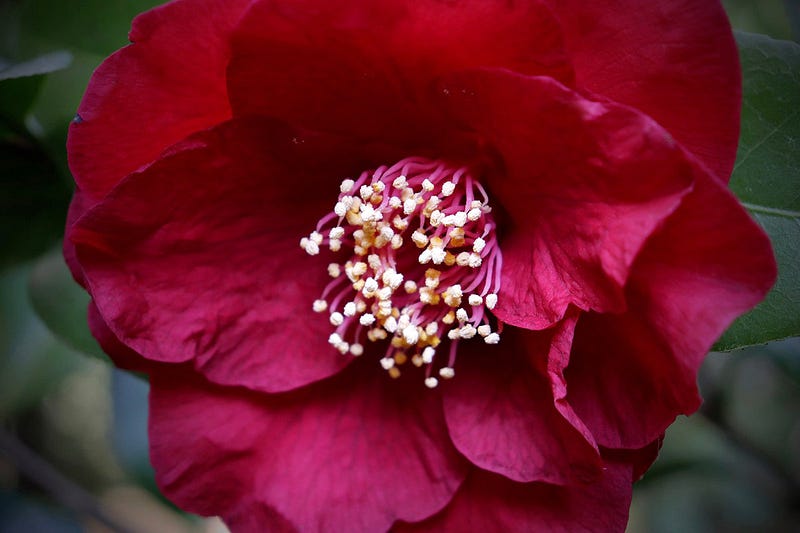
Pruning and Shaping Camellia Plants Image by Annette Meyer from Pixabay

Preventing and Treating Common Camellia Flower Diseases and Pests

Diseases and pests can affect camellias. These frequent concerns can be prevented and treated with careful care: 1. Camellia flower blight: This fungal disease browns or blackens buds and petals. Avoid overhead watering to prevent floral blight, which spreads in damp circumstances. Remove and destroy diseased blooms and buds to stop spread. 2. Overwatering or poorly drained soil can produce root rot, which yellows leaves and stunts development. Plant camellias in well-draining soil and water them to avoid root rot. Enhance soil drainage for future plantings. 3. Camellia scale: Scale insects are tiny, immoveable parasites that feed on camellia sap, causing yellowing leaves, slowed growth, and sooty mold.

Follow product directions to control scale using insecticidal soap or horticultural oil spray.

. Natural predators like ladybugs or lacewings can also help your plants.

Camellia petal blight: This fungal disease browns or blackens camellia petals, causing premature flower drop. To prevent petal blight, remove and destroy diseased flowers and petals. Avoid overhead watering and keep plants well-aired.

Regular camellia monitoring will help you spot and fix problems early. By being proactive, you can keep your camellias healthy and happy.

Book Recommendation: Pest Control for Organic Gardening: Natural Methods for Pest and Disease Control
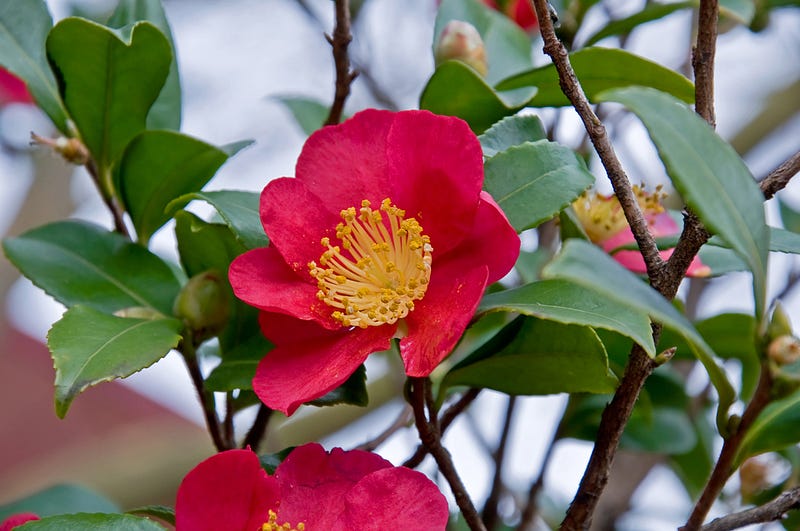
Camellia Flowers An Early Spring Delight — Image by Author

Propagating Camellia Flowers

You can propagate Camellia flowers to grow your collection or share them with friends and family: 1. Seeds: Sow mature camellia seeds from existing plants in a well-draining seed-starting mix. Keep the soil wet and warm and illuminate indirectly. Seedlings may take years to blossom.

Cut stems from healthy, disease-free camellia plants in late spring or early summer. Dip cut ends in rooting hormone and plant in a well-draining potting mix. Cuttings should root in a few months if kept warm and damp.

Grafting: Grafting joins a camellia cutting (scion) to a rootstock for enhanced proliferation. You may blend camellia varieties’ best qualities using this strategy. It works well in late winter or early spring when plants are dormant.

Growing camellias and sharing their beauty via propagation may be gratifying. Try several approaches and enjoy growing plants.
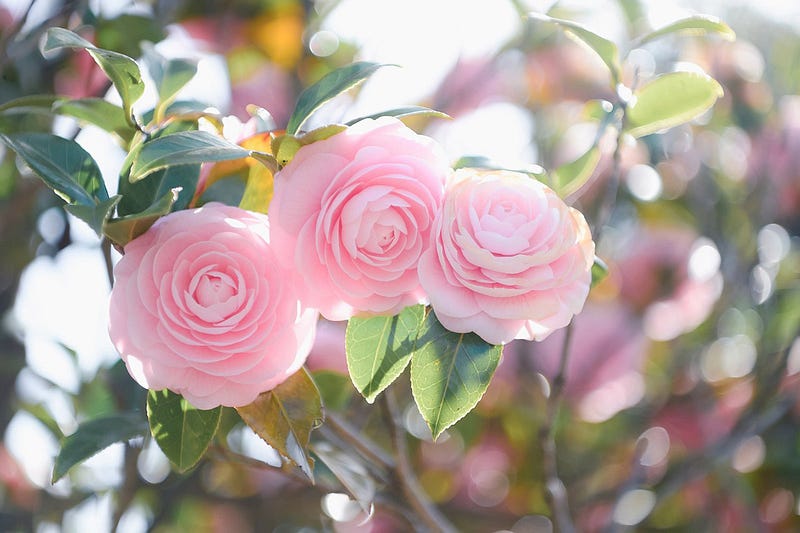
Preventing and Treating Common Camellia Flower Diseases and Pests Image by shell_ghostcage from Pixabay

Conclusion:

This concludes this post on cultivating beautiful camellia flowers. You may grow healthy camellias that will enhance the beauty and happiness of your garden.

You might also enjoy my post about another flower that blooms in snow —

Enjoyed this post? Try these next on the following topics:

Thank you for reading; if you enjoyed my content and would like to support me, the best way is to :

  1. Follow Me On Medium.
  2. Consider clapping, you can clap up to 50 times if you’d like.
  3. Sign up for my weekly Cozy Snippets Mini Moments newsletter on life topics.
  4. Sign up for the email updates.

This article contains affiliate links and we may receive a small commission after you click one of the links, at no charge to you.

Camellia
Gardening
Garden
Flowers
Plants
Recommended from ReadMedium