The Housing Project
Rodrigo Sarrat-Cave
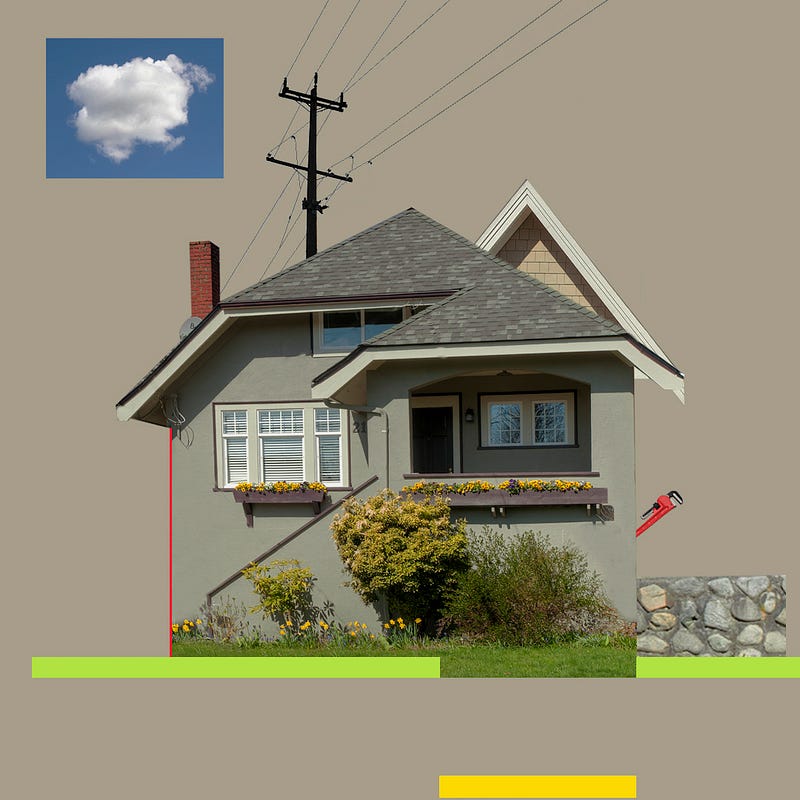
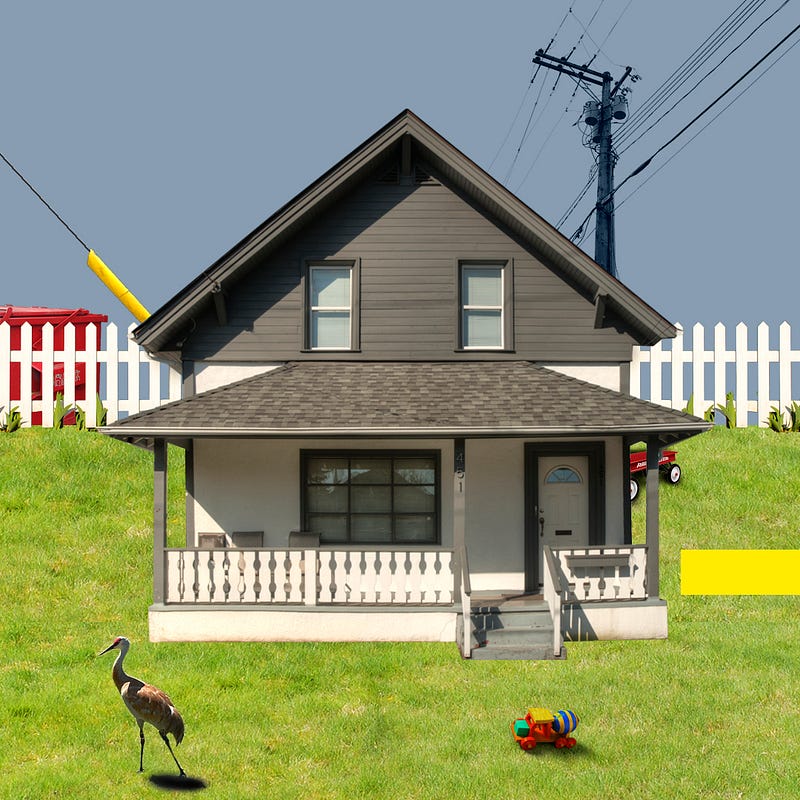
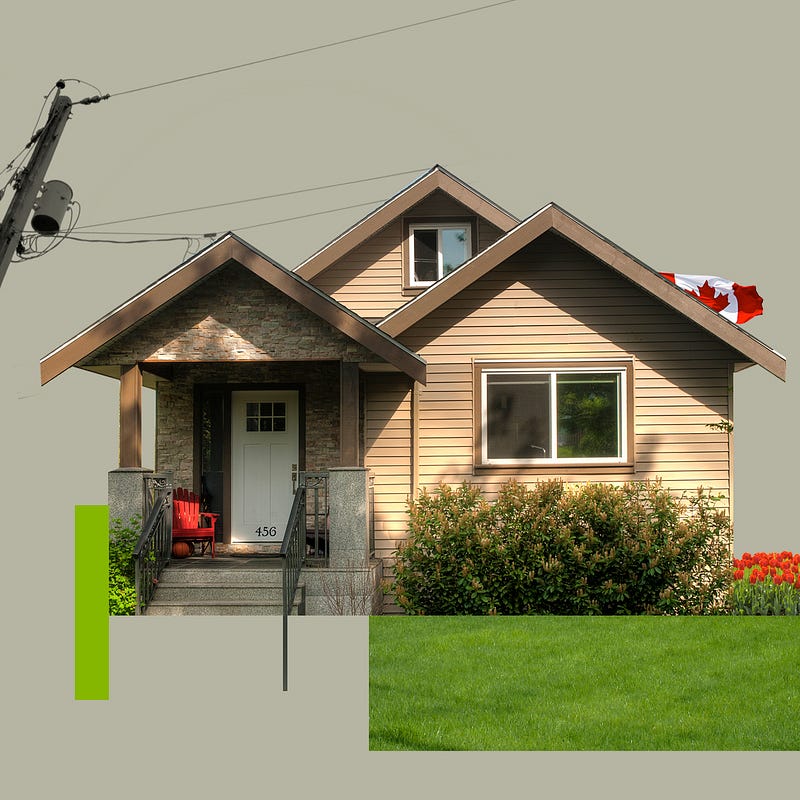
Rodrigo Sarrat-Cave on ‘The Housing Project’
The photographs sat dormant, unattended, ignored for years. The residual evidence of a contract signed, sealed, and delivered.
I had no emotional connection to the photos. They were made to please a client. I would not have photographed 4500 houses in my neighbourhood unless someone had hired me to do it.
Don’t get me wrong. I enjoy architecture. When I was growing up I wanted to become an architect. That did not happen. There was math involved.
The photo contract proved to be interesting enough. However, I did not look at those photos very often. I did not see any value in them beyond their intended purpose, which was to sell real estate.
When the pandemic forced me to stay home, I decided to revisit those house photos to see if I could create something new with them. A transformation. I regarded the project as a learning experience. I set the bar low. I had no expectations.
The approach was a playful treatment of the images. I created a series of abstracted blends of houses. They were destined for my Instagram feed. Nothing more. Eventually, that experimentation would lead me to this current project.
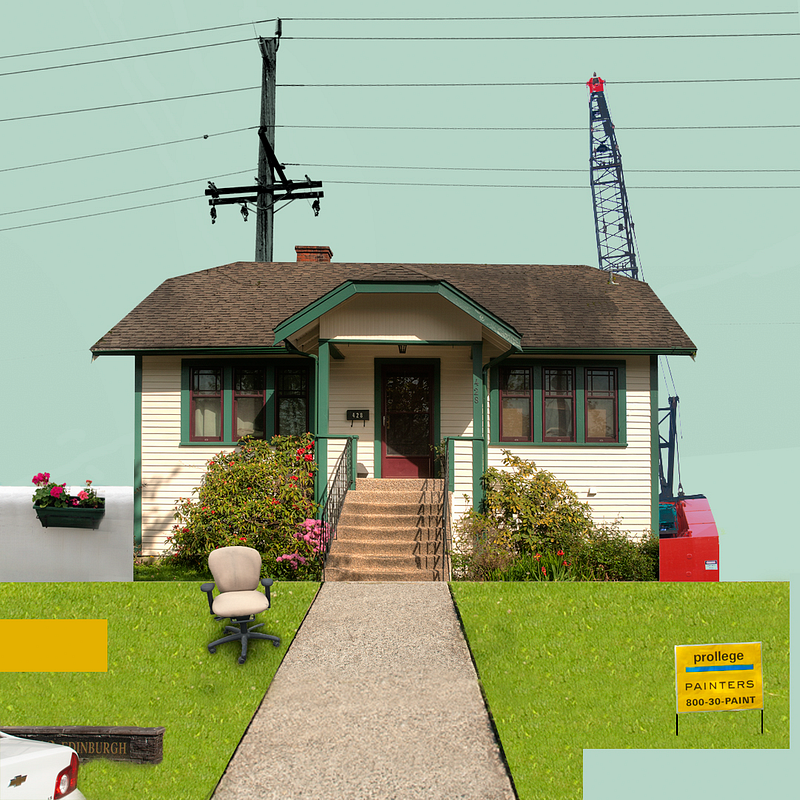
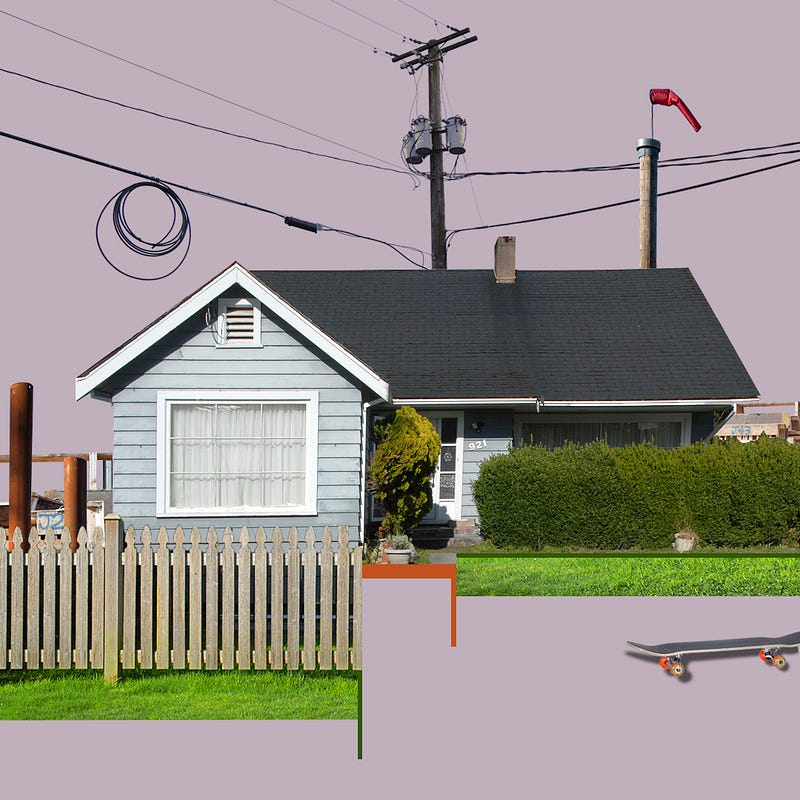
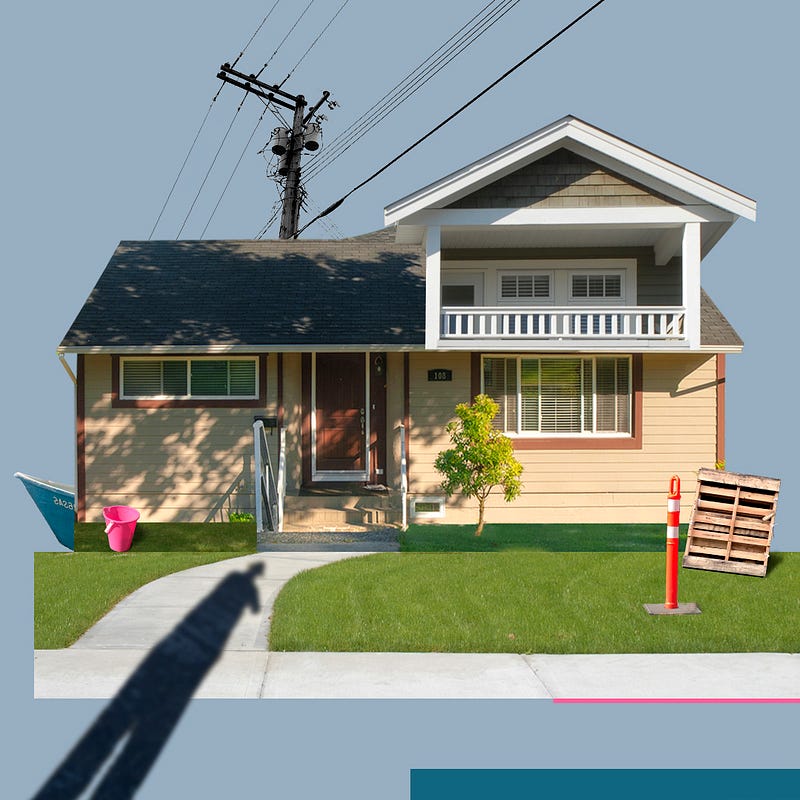
The Housing Project evolved from looking at the photos and asking:
Who lives there? Is it a family? A loner? What are their interests? What are their challenges? Health? Finances? In other words, what could I glean from the images since I knew nothing about the inhabitants?
Housing provides the most valuable personal asset, the fundamental human need for privacy. What goes on behind those walls is essential to our autonomy, self-identity, and our dignity.
My goal was to include objects in those properties that may provide hints about the people who live there. Understanding by association. The Housing Project aims to create a new narrative where the story is created by the viewer.
We may be isolated inside those architectural boxes, but we are all connected by powerlines.
Rodrigo Sarrat-Cave