
The Hollow Echoes of Steel
Why Armies Do Not Have Hearts
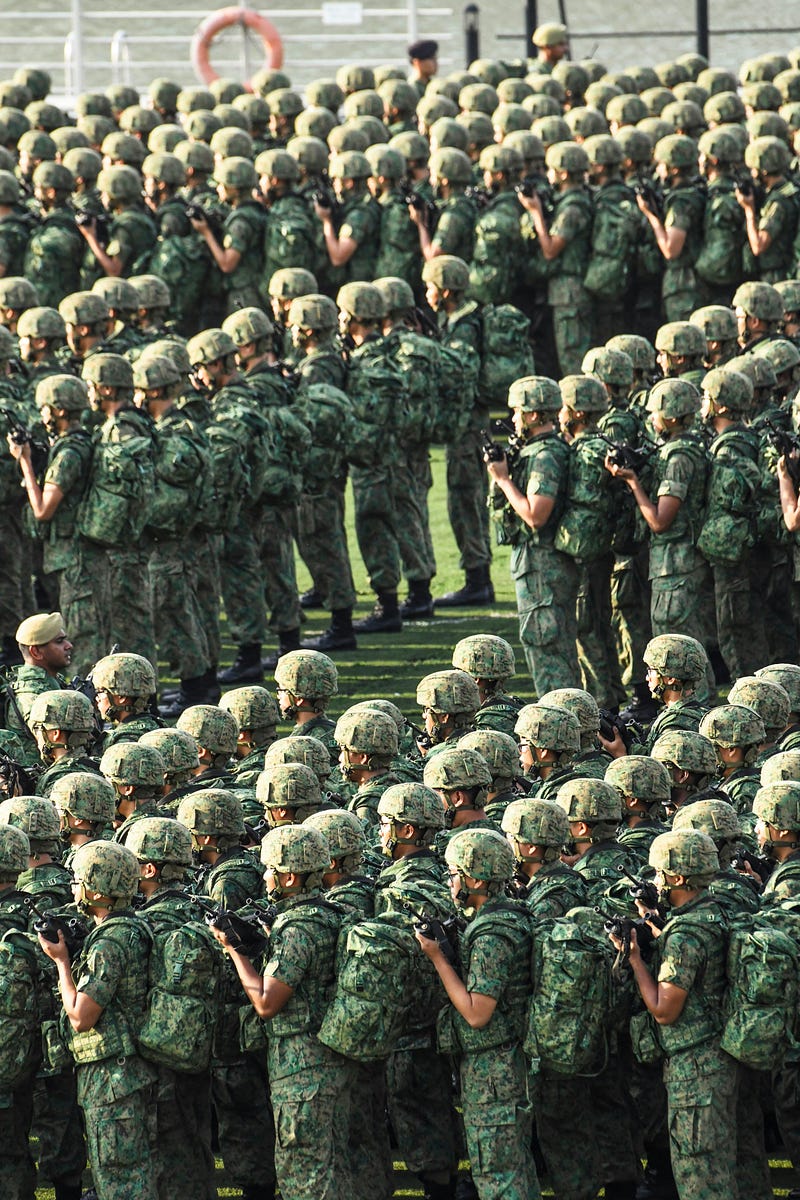
The romantic illusion of a soldier bearing a noble heart, forged in the fires of camaraderie and selflessness, is a dangerous myth perpetuated by war’s seductive narratives. Armies, in their very essence, are cold machines of violence, devoid of the warmth of human compassion. To claim otherwise is to ignore the brutal reality of their purpose and the callous efficiency with which they execute it.
The core function of an army is not to protect, but to conquer. It is a tool of state power, trained and equipped to inflict maximum damage upon its enemies. Every fiber of its being, from the rigid hierarchies to the dehumanization of the “other,” is geared towards this singular objective. Loyalty and obedience are not manifestations of love, but instruments of control, ensuring the smooth operation of the military machine. The bonds forged between soldiers are not born of compassion but of shared hardship and the primal need for survival in a hostile environment.
Furthermore, the notion of an army protecting civilians is a convenient fiction. History is replete with instances of collateral damage, massacres, and war crimes committed by those entrusted with safeguarding the innocent. The line between protecting and pillaging blurs in the heat of battle, and the collateral damage of war often outweighs any supposed acts of heroism. Armies do not possess the conscience necessary to distinguish between legitimate targets and innocent bystanders; they are blunt instruments, wielded by political machines with little regard for human cost.
To argue that the psychological toll of war is evidence of an army’s heart is to mistake trauma for empathy. PTSD is a symptom of the deep psychological wounds inflicted by violence, not a testament to the soldier’s capacity for compassion. The ability to inflict suffering does not equate to the ability to understand it, and the emotional scars borne by soldiers speak more to the horrors they have witnessed than to any inherent goodness within the military institution.
Ultimately, the heart of an army lies not in the empathy of its soldiers, but in the cold calculations of its commanders. It is a heart of steel, devoid of remorse, driven by the insatiable hunger for power and control. To acknowledge this truth is not to demonize individual soldiers, many of whom may be caught in the maelstrom of circumstances beyond their control. It is, however, to dispel the dangerous myth of the noble warrior, a myth that perpetuates the cycle of violence and obscures the true cost of war.
© Shoaib Shahid, 2024.