
The History of La Boca, Argentina
If this were any other year, I would advise you not to take your phone out in La Boca. However, 2020 was different from your usual year.
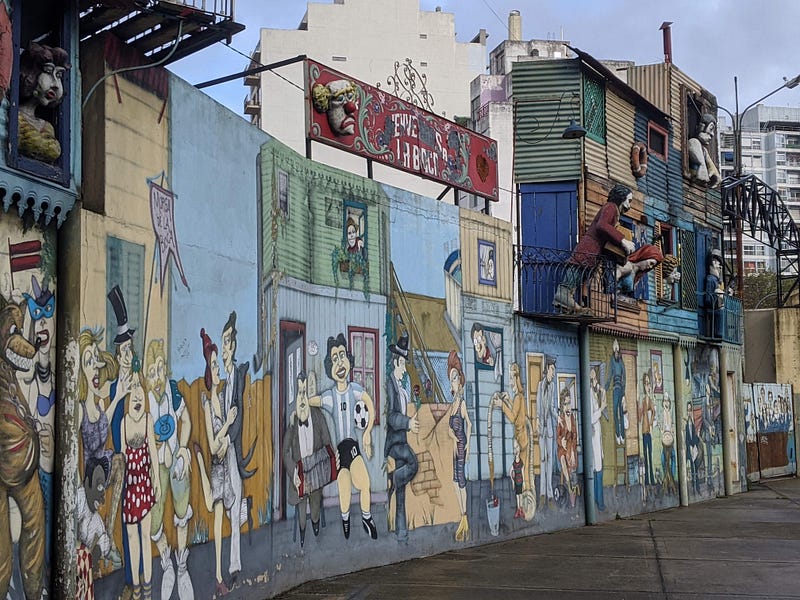
I spent lockdown in Argentina, half the year in Buenos Aires, and the other half exploring when restrictions were lifted. One day a friend and I went out to explore La Boca, the perfect time, as there was no one there but us and a few locals.
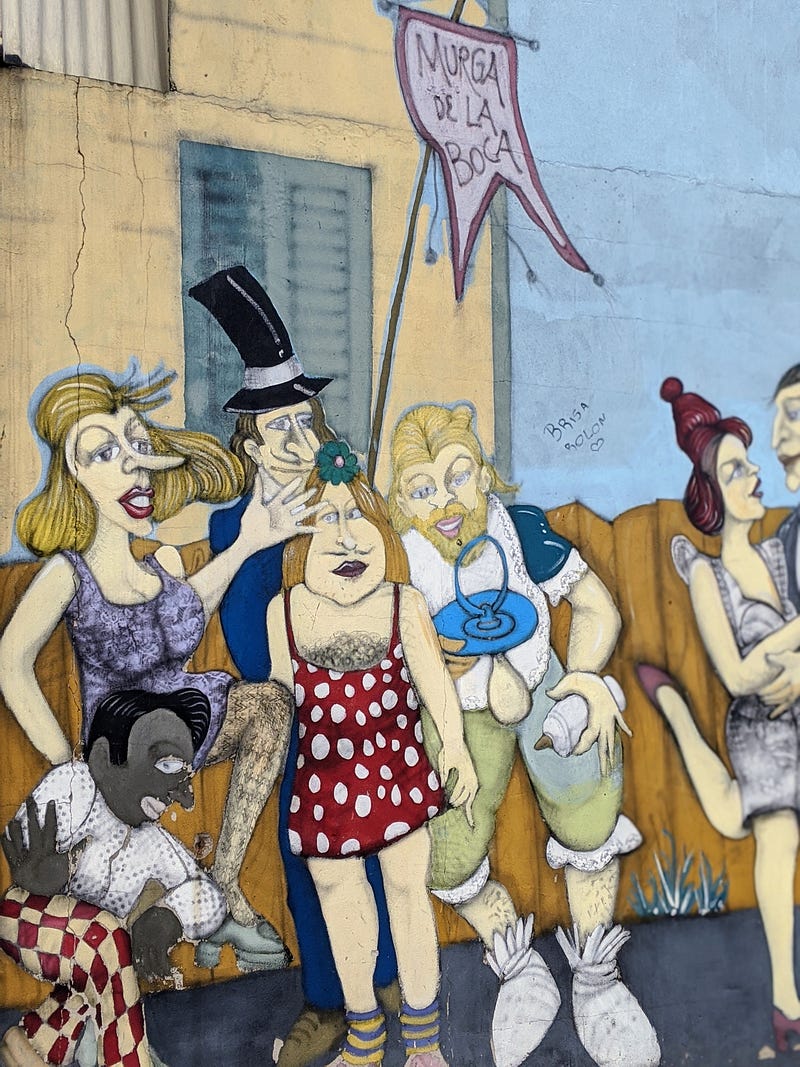
La Boca began as a poor neighborhood of Spanish and Italian immigrants who settled along the Rio Riachuelo. La Boca in Spanish translates to ¨The Mouth¨.
During the 1880s, most immigrants worked in warehouses and meatpacking plants, sharing Argentinian beef with the world. However, the population of Argentina grew from 90,000 to 1.5 million in 50 years, and most of the immigrants were poor and settled in La Boca.
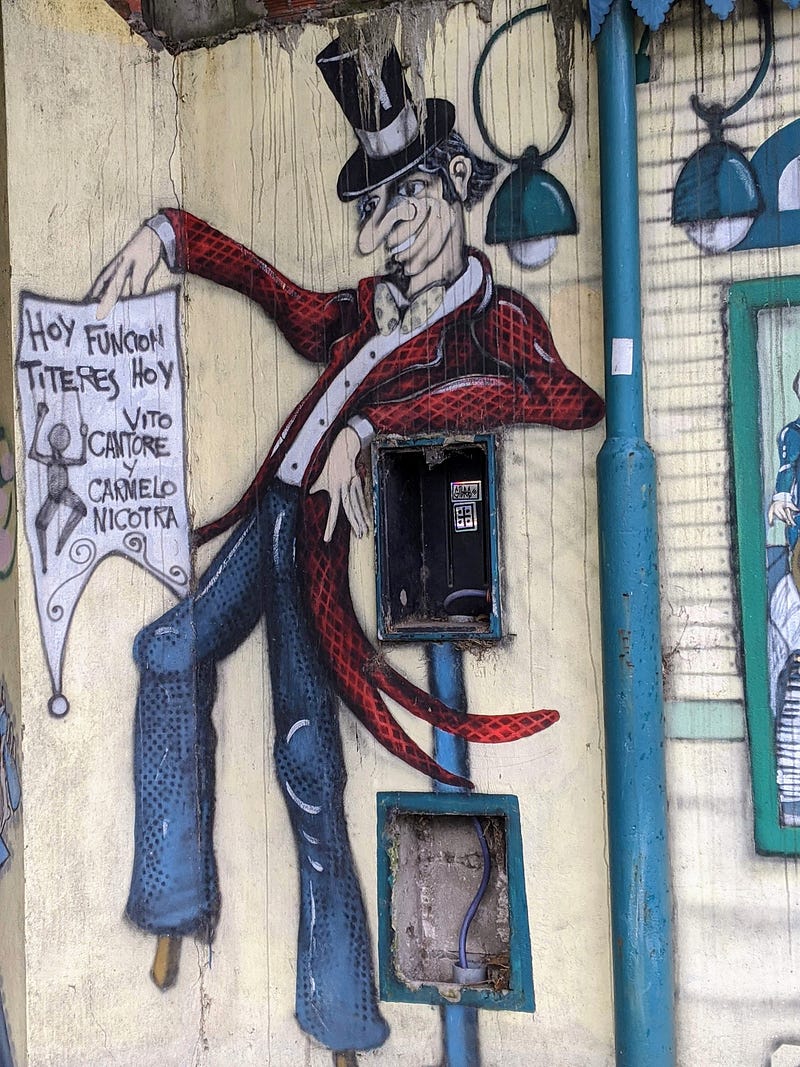
Except they did not like the drabby look of the port city and wanted to make it more alive and colorful. They started to use the leftover paint from the river barges to paint the houses’ walls, which can be seen on the famous El Caminito, the most famous street in La Boca and the biggest tourist attraction.
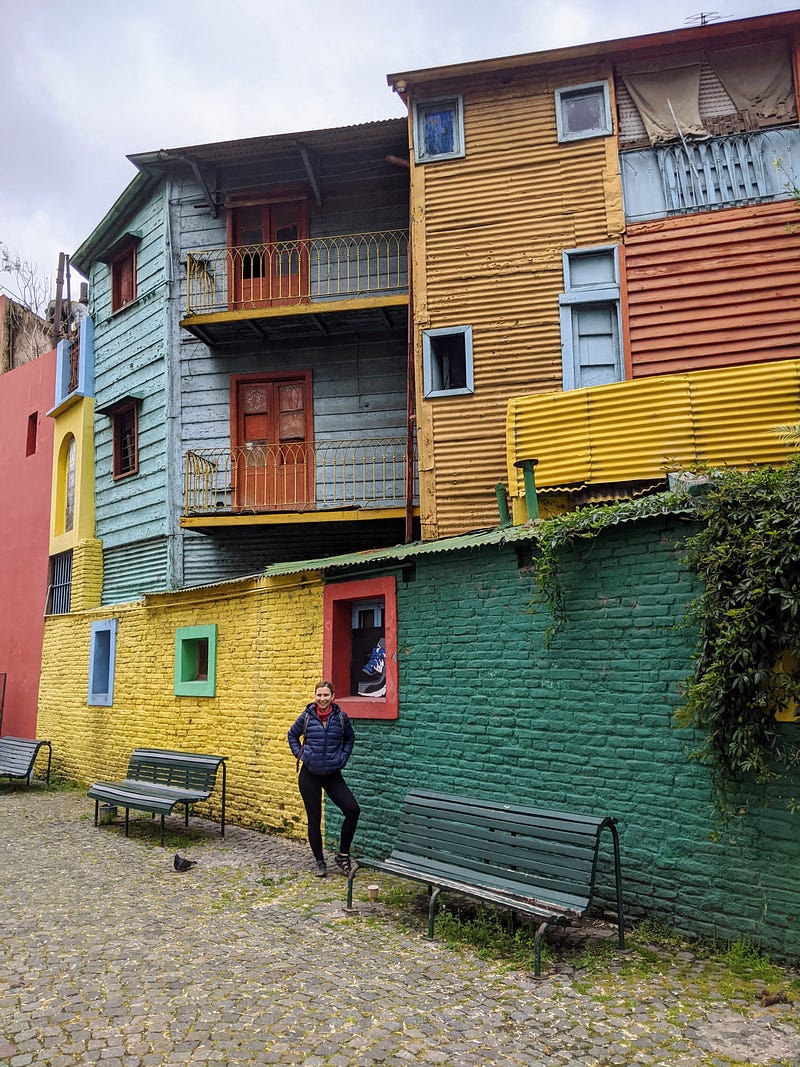
Not only did the colorful houses put La Boca on the map, but it is also where Tango began in the 1880s, on El Caminito. La Boca, a poor port town, was home to all kinds of people, fishermen, musicians, prostitutes, thieves, socialists, anarchists, artists, and all new immigrants worldwide.
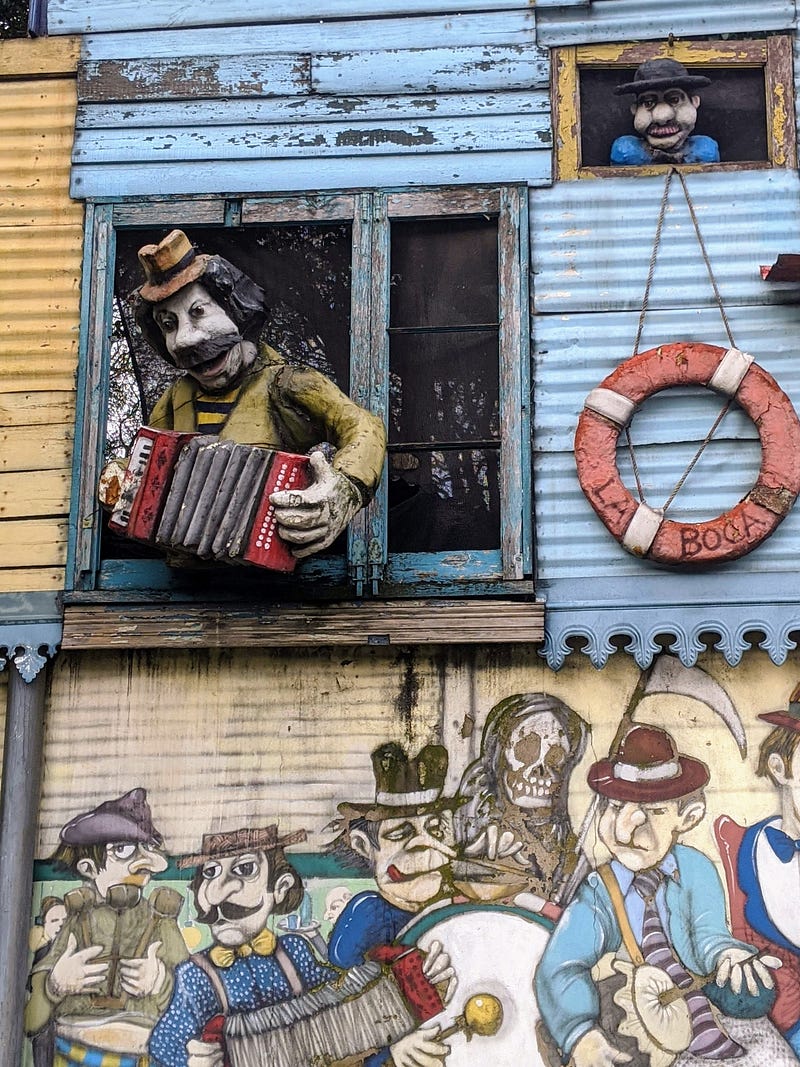
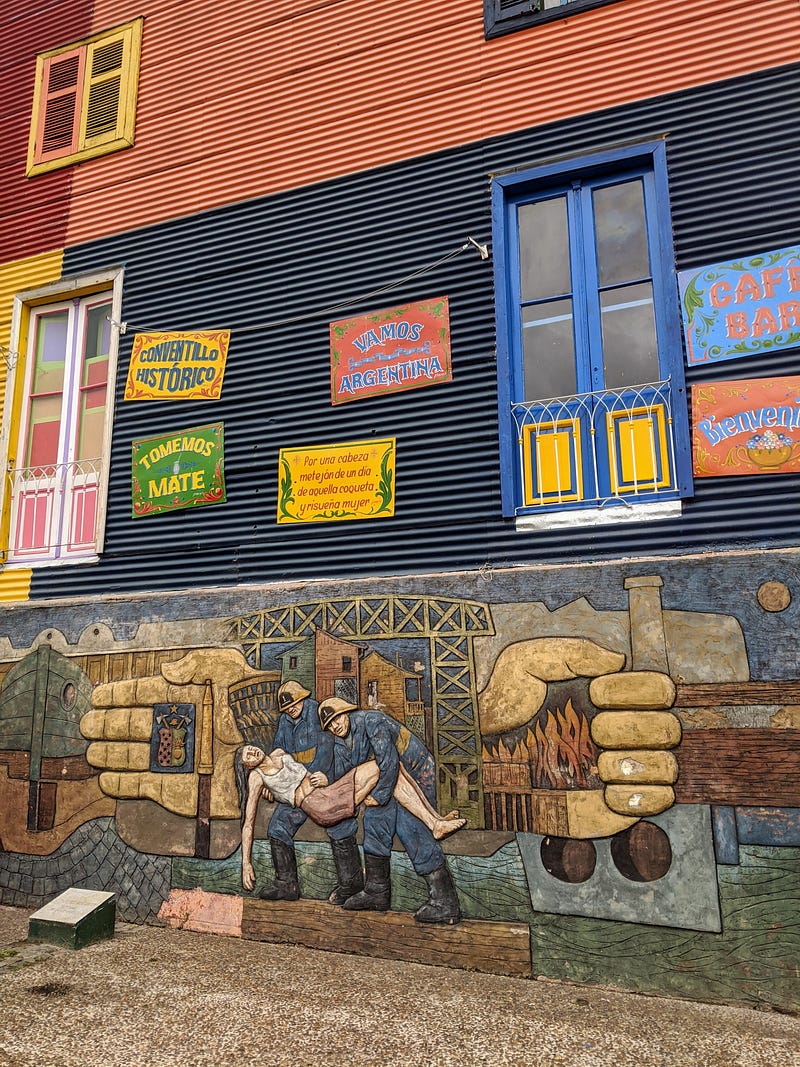
They lived in a large tenement house called ¨Conventillos, ¨ and each one brought their style of music and dance, which caused a new kind of music and dance: tango and the music of the immigrants.
Except it was considered vulgar and tasteless to the aristocracy, a poor man’s music and dance; came from the poor side of town. At one point, there was a ban on ¨tango¨ gatherings.
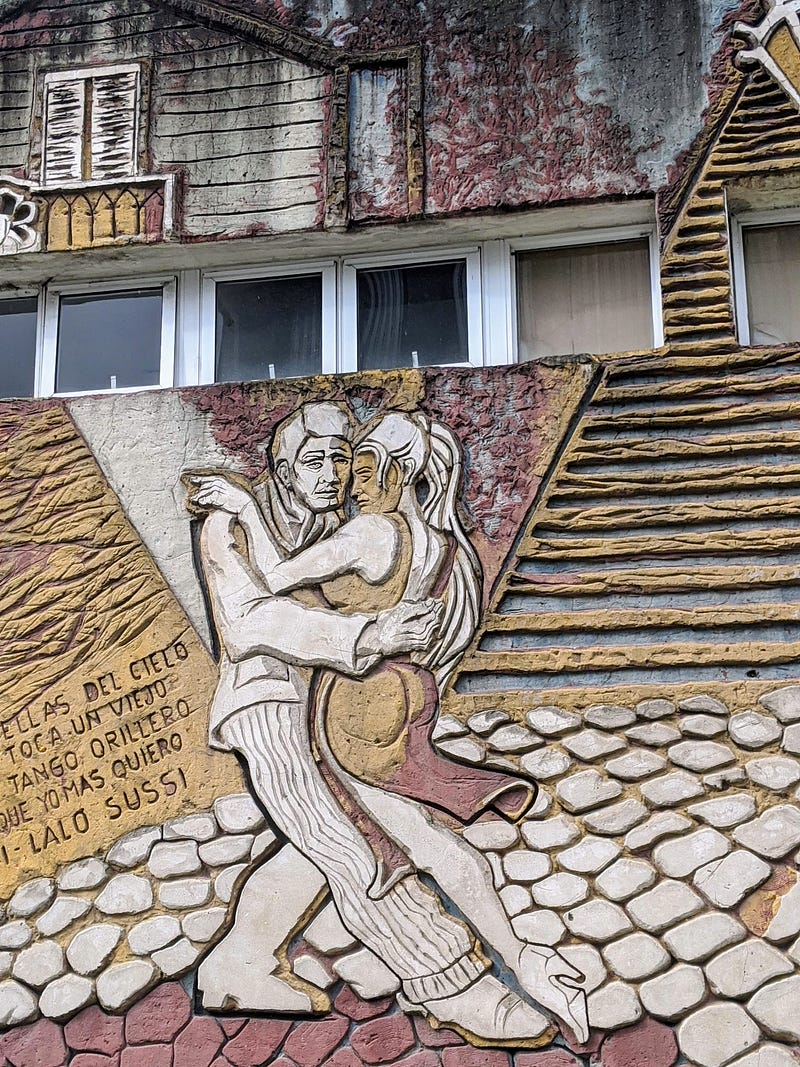
It is said that Juan Pérez was the first composer of Tango music. However, that can be disputed, and by 1910 Tango reached NYC and 1912, Paris. By then, it took over as the new dance was crazy, and it was no longer the dance of the slums and barrios but that of the wealthy aristocrats.
I took a few Tango lessons in Argentina, and it is challenging and has lots of steps. When you go to Buenos Aires, it is common to see street performers dancing Tango, one of the most beautiful dances I ever saw.
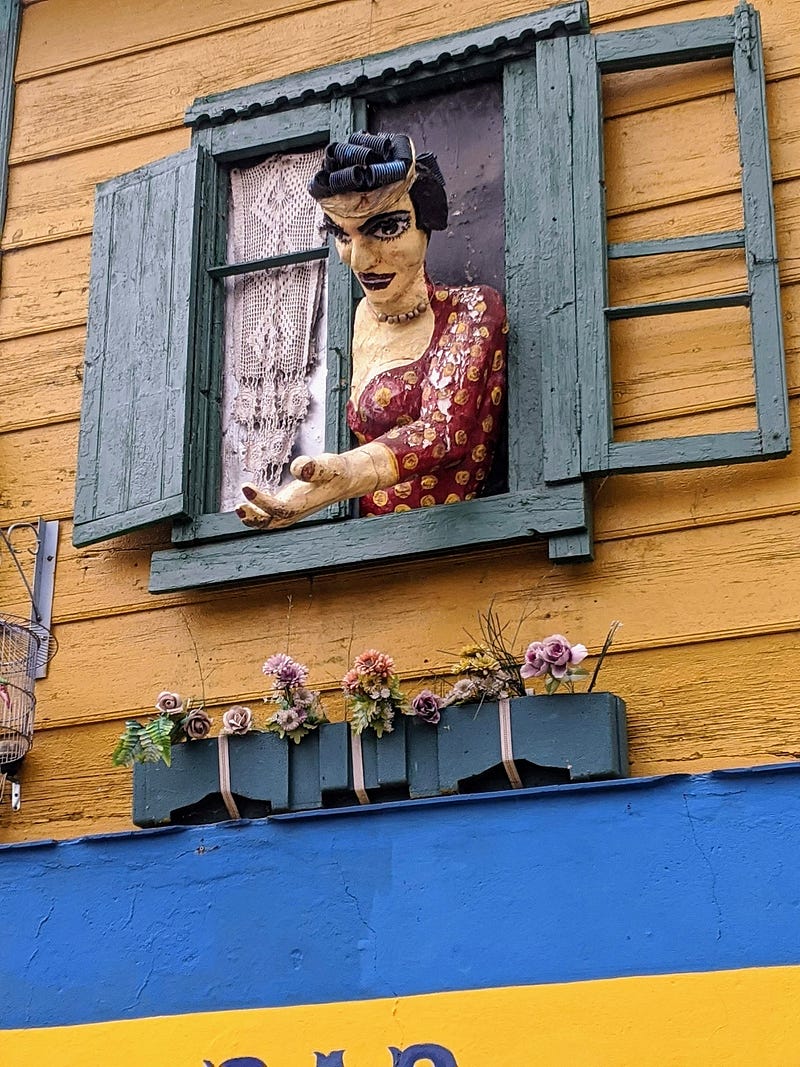
Buenos Aires is rich in history, and maybe I am biased since I lived there for a year, but one of my favorite cities. Not only is La Boca full of street art, but all of BA.
However, if you have your fancy phone out taking a picture, be careful. It is also the area with the most pickpocketing and stolen phones. Also, you can see the La Boca football stadium while you are there.
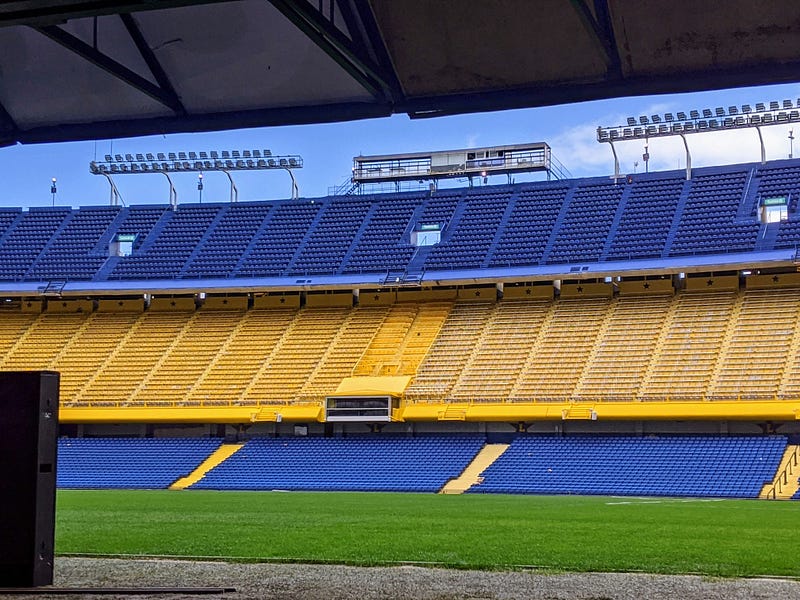
Fun fact, I researched and started writing this article during the pandemic, but way before I started writing! Funny how that works, I also used this link and this link to get specific detailed history.
This is part of the Globetrotters street art challenge, and I was inspired to write my own story because of the amazing stories I read below.
Anne Bonfert, with each story, is making me want to wander the continent of Africa, especially this story.
As well as Adrienne Beaumont her story about Córdoba. The pictures alone took me on a journey.
Thank you, ladies, for inspiring me as always!
XOXO
S.
Want more? Join with my affiliate link to read unlimited stories and support writers like myself. Follow me here on YouTube. Follow me on Newsbreak here. Join Newsbreak as a writer here.


