
The History of Celiac Disease
The history of celiac disease can be traced back to ancient times. The first known description of the disease was written by the Greek physician Aretaeus of Cappadocia in the 2nd century AD. He described a condition called “coeliac affection” in children, which was characterized by chronic diarrhea, abdominal distention, and wasting.

Aretaeus is considered to be one of the most important medical writers of his time. Aretaeus wrote eight books on medicine, which covered a wide range of topics, including celiac disease.
In his book “On the Causes and Symptoms of Chronic Diseases,” Aretaeus described a condition called “coeliac affection,” which is now believed to be the first known description of celiac disease. Aretaeus described the condition as follows:
“If the stomach be irretentive of the food and if it pass through undigested and crude, and nothing ascends into the body, we call such persons coeliacs.”
Aretaeus also noted that the coeliac affection was more common in children and that it was often associated with other conditions, such as malnutrition and wasting. He recommended that coeliacs avoid certain foods, such as wheat, barley, and millet.
Aretaeus’ description of celiac disease is remarkably accurate, given that he lived over 1,800 years ago. His work helped to lay the foundation for our modern understanding the disease.
In addition to his description of the disease, Aretaeus also wrote about a number of other medical conditions, including diabetes, asthma, and epilepsy. His work has had a profound impact on the development of modern medicine.
For centuries, celiac disease remained a poorly understood and often fatal condition. However, in the 19th century, physicians began to make some progress in understanding it.
In 1888, the English pediatrician Samuel Gee described a group of children with chronic indigestion and wasting who were cured by a diet that excluded wheat and other grains.
Samuel Gee (1839–1911) was an English physician and pediatrician who made significant contributions to the understanding and treatment of celiac disease. In 1888, he published a paper in the St. Bartholomew’s Hospital Reports titled “On the Coeliac Affection,” which provided the first complete modern description of the clinical picture of celiac.

Gee’s paper was based on his observations of over 100 children with celiac disease. He noted that the disease was characterized by several symptoms, including chronic diarrhea, abdominal distention, wasting, and stunted growth. He also observed that the disease was more common in children from poor socioeconomic backgrounds.
Gee was one of the first physicians to theorize that it was caused by a food intolerance. He noted that many of his patients improved when they were placed on a diet that excluded wheat and other grains. However, he was unable to identify the specific food component that was causing the disease.
Gee’s work helped to lay the foundation for our modern understanding of celiac disease. He is credited with giving the disease its modern name, and his work helped to popularize the use of the gluten-free diet as a treatment.
In addition to his work on celiac disease, Gee also made significant contributions to the understanding and treatment of other childhood diseases, such as cyclic vomiting syndrome and scarlet fever. He was a highly respected physician and teacher, and he helped to train many of the leading pediatricians of his generation.
Gee’s work on celiac disease had a profound impact on the lives of countless people. He is one of the most important figures in the history of celiac disease research and treatment.
A couple of decades later in the 1920s, the American pediatrician Sidney Haas conducted a series of experiments that showed that carbohydrates were the culprit food in celiac disease.
He is best known for introducing the “banana diet,” a treatment regimen that involved feeding celiac patients a diet rich in bananas and other fruits and vegetables.
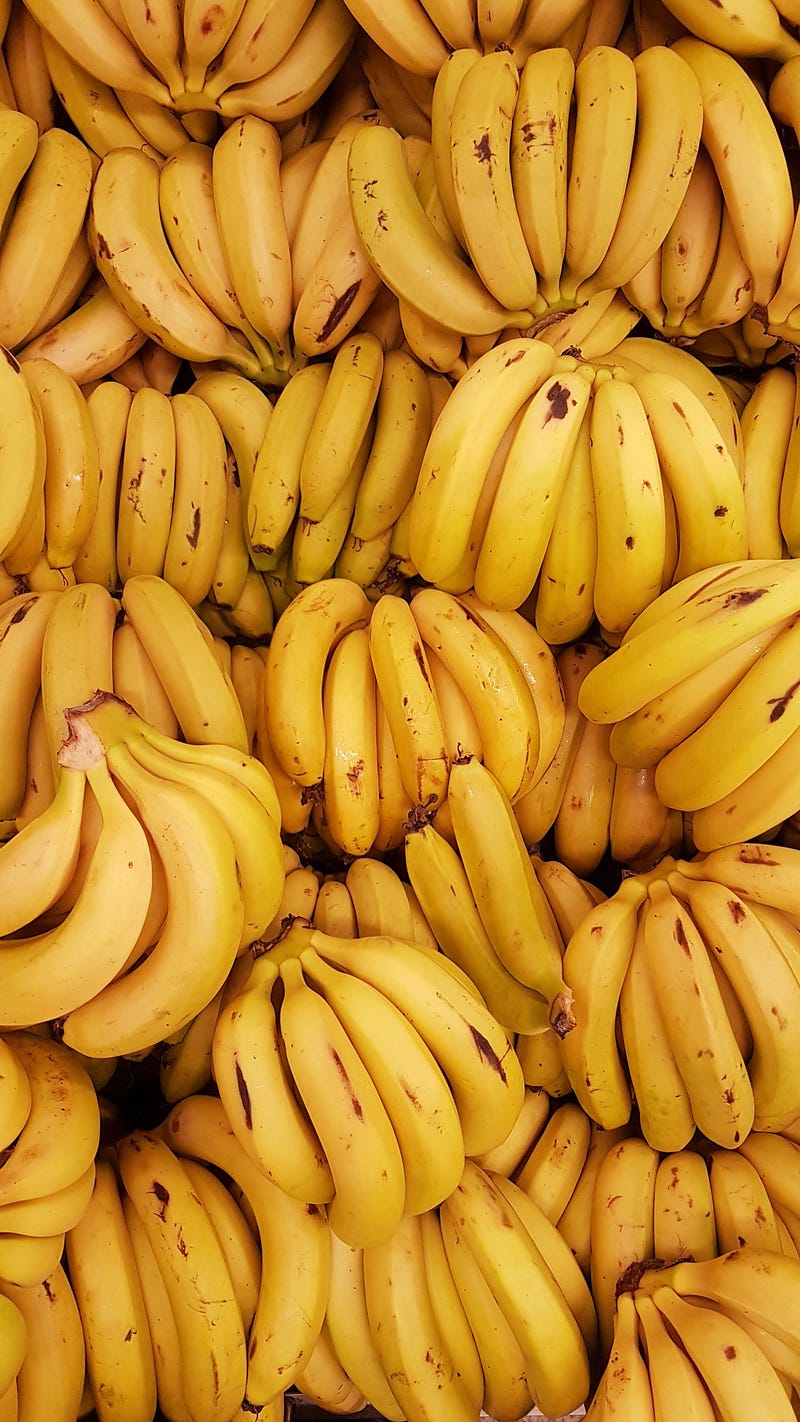
Haas’s work on celiac disease was groundbreaking at the time, as the cause of the disease was not yet understood. He observed that children with celiac disease who ate bananas showed significant improvement in their symptoms. Haas hypothesized that bananas contained an enzyme that could break down gluten, the protein that triggers the ilness.
Haas’s banana diet was not a cure, but it did provide a way to manage symptoms. It was widely used in the 1950s and 1960s, before the development of a gluten-free diet.
Haas’s work on celiac disease was controversial, as some doctors believed that bananas were not an effective treatment. However, his work paved the way for the development of new treatments.
In the 1950s, the Dutch pediatrician Willem Dicke discovered that the protein gluten was the specific component of wheat that was causing the symptoms of celiac disease. Dicke’s discovery led to the development of the gluten-free diet, which is the only effective treatment.

In the 1970s and 1980s, researchers began to learn more about the genetic and immunological basis of celiac disease. They discovered that celiac is an autoimmune disease, in which the body’s immune system attacks its own tissues. They also identified the genes that are associated with an increased risk of developing the disease.
In recent years, there has been a growing awareness of celiac disease among the general public. This is due in part to the efforts of advocacy groups such as Beyond Celiac and the Celiac Disease Foundation. As a result, more people are being diagnosed with celiac disease, and there are now more gluten-free food products available than ever before.
Today, celiac disease is a well-understood and manageable condition. However, there is no cure for celiac disease! The only way to manage the condition is to follow a strict gluten-free diet.

The future of celiac treatments, gluten-free foods and even a potential cure is covered in a later chapter!


