
The History of Beets & How They Changed the World
Once a laxative, now used to prevent disease.
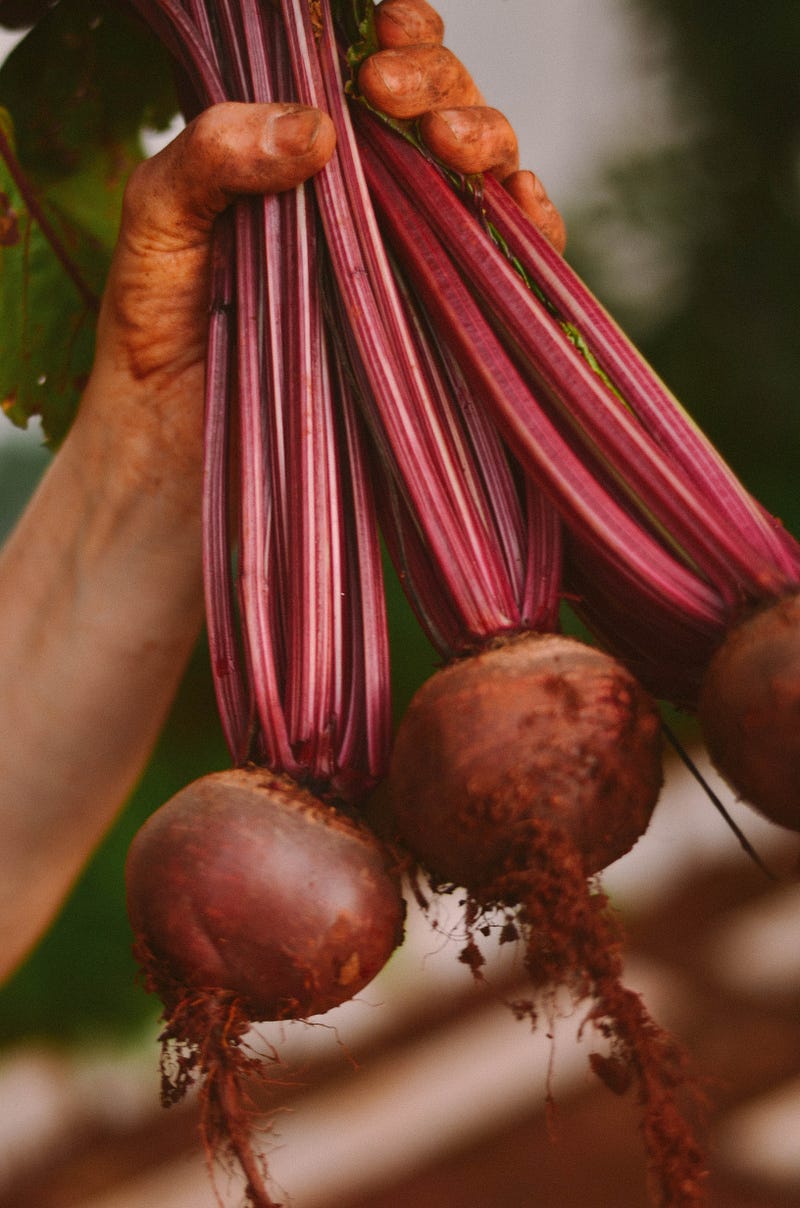
Beta Vulgaris, better known as the common beetroot, was first consumed by Mediterranean cultures around 2,000 BC, though it was only the leaves that were eaten at this time. Ironically, that is typically the part of the plant that we discard in modern day. The plant underwent various name changes as its consumption increased in popularity across the globe throughout the centuries.
History
The versatile root veggie was initially used by Ancient Romans as a treatment of fever and was utilized as a laxative. It was also used to treat a variety of ailments like headaches and toothaches.
The leaves of beets were even used as binding treatments for wounds. For many, it was used as an aphrodisiac. An old tale claims that in some cultures, falling in love was due to a couple eating from the same beetroot.
Throughout history, beets were ranked as the second most hated vegetable, next to turnips due to them smelling like the dirt they were grown in.
The chemical they contain called geosmin was to blame for their earthy smell, which basically replicates the aroma of fresh rain on the soil (pleasant to some, repulsive to others.)
Through cultivation over many centuries, beets were developed into the round bulbous root plant that we are accustomed to enjoying today to have a far less earthy smell.
Beets turned to sugar products
This transformation of the beet was ignited in the 1500s by a superfluous demand for sugar and sweetener products, which were hard to come by and expensive in earlier centuries.
At this time, most sugarcane was imported from Arab traders. The slave trade for workers on sugar plantains started in the 1500s and spread rapidly, which obliterated soil health and reinforced an innately malicious hierarchy. Abolitionists recognized beets as a potential alternative, but it took a while to develop a lucrative and sustainable process where one could extract pure sucrose from beets.
The first sugar beet factory
Prussian chemist Andreas Sigismund Margrass’ student bred the white Silesian beet, now ancestor to all contemporary beets as we know them. With that, the first sugar beet factory was funded by the King of Prussia in 1802. Today, around 20% of the world’s sugar comes from sugar beets.
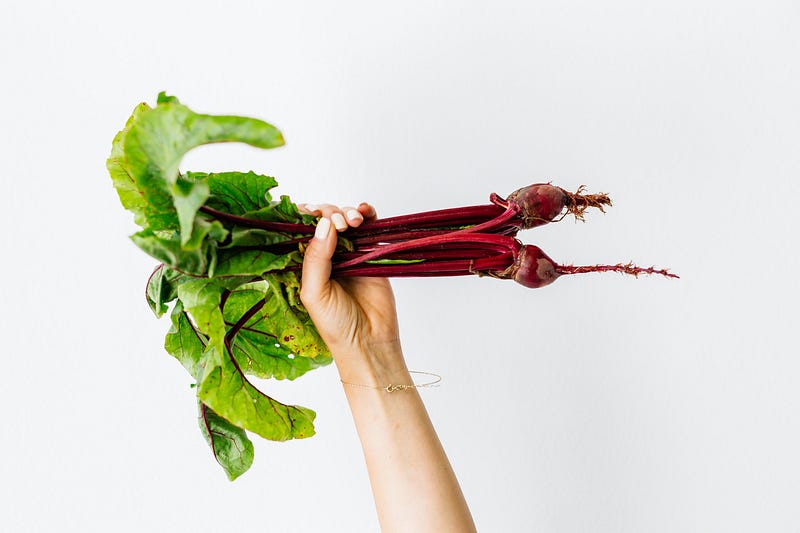
Quakers or abolitionists of the time wished to end slavery voluntarily by spreading awareness on a new sugar alternative that didn’t require exploited servants for its production. They knew that promoting abstinence from sugar would fail, so they opened shops with free labor sugar from Asia.
This was unsatisfactory so they sought to produce beet sugar domestically. Unfortunately, this didn’t come to fruition before the Civil War due to pushback and disinterest from pro-slavery northerners. Other countries experienced a boom in the industry at this time, though it failed to resolve American slaves.
World War 2 began
Field laborers were insufficient due to men entering battle. Braceros or Mexican citizens were forced into arduous sugar beet farm jobs due to lack of opportunity, though it was pivotal to the war due to sugar’s use in explosives.
By mid-century, the business of beets was booming, and the industrial north’s main focus was to lessen labor. Two leading sugar beet scientists from the Soviet Union Viachislav and Helen Savitsky contributed a lot of research to the best way to grow the beet.
Monogram beet seed
Basically, they were able to figure out the most efficient and lucrative way to farm the beet through the monogerm beet seed.
Their ideas were rejected based on pseudo-scientific counterarguments that were not based on inherited genes. Eventually, the Savitsky’s were recognized for their work using the monogerm seeds and moved to the US, where they then restructured the entire industry.
In 1961, a traditional beet soup called borscht was used in the Soviet Sputnik 4 Satellite in March 1961 in a communications test. Beet soup was even packaged in safe-adapted tubes for American and Soviet astronauts.
In the modern-day, the beet has increased in popularity for its variations in color, and texture, its versatility in food, usage in dyes, and so on.
Beets contribute to 60% of all sugar manufactured in the US alone
Studies have shown that beets are rich in antioxidants and are an effective preventative cancer treatment.
Beets pull toxins from the body and are an excellent source of many nutrients like folate, vitamin a, k, manganese, copper, and potassium, among others. They are high in nitrates which help regulate blood flow and may assist patients with cardiovascular diseases. Beets also have pigments called betalain, responsible for their vibrant color, which provide anti-inflammatory benefits.
If you never took the time to really explore the versatility of beets in the kitchen across cuisines, now’s the time. The internet is flooded with delectable recipes that definitely crush pickled beets you might have come across at Thanksgiving.
“Breathe properly. Stay curious. And eat your beets.” -Tom Robbins
Tap into positivity at Live Life Now, my new blog✨If you liked this piece and wish to support me, you can buy me a kombucha here. : )